
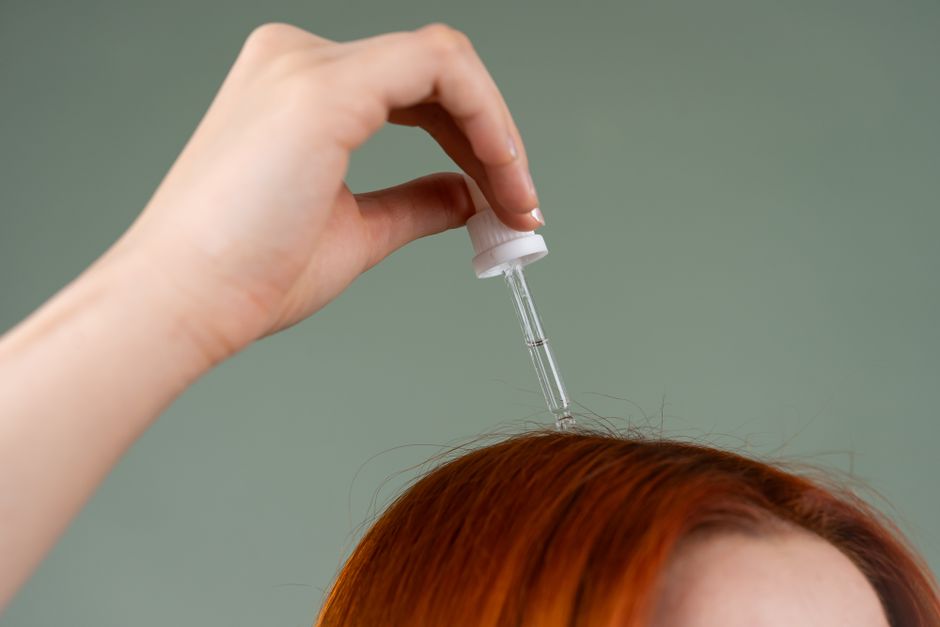
Scalp psoriasis is a chronic autoimmune skin condition that causes the body to produce new skin cells too quickly, leading to thick, scaly patches on the scalp. These patches, called plaques, are often silvery-white on top of red, inflamed skin beneath. It is not an infection and it is not contagious, meaning you cannot catch it from or pass it to anyone else.
What Is Scalp Psoriasis? Simplified
Scalp psoriasis is a form of psoriasis that appears specifically on the scalp, hairline, forehead, back of the neck, or behind the ears. In a normal skin cycle, skin cells grow, mature, and shed over the course of about a month. In someone with psoriasis, that cycle speeds up dramatically — sometimes to just a few days. The skin cells pile up before they have time to shed, forming the visible scales and plaques.
The condition ranges from mild — a few small flakes that resemble dandruff — to severe, covering the entire scalp with thick, crusted sores. It can also extend beyond the scalp onto the forehead or down the back of the neck. About half of all people with psoriasis have scalp involvement, and for some people, the scalp is the only area affected.
What Does Scalp Psoriasis Look and Feel Like?
The appearance can vary from person to person, but there are common signs. The most typical presentation is raised, red patches covered with a silvery-white buildup of dead skin cells. The scales may flake off, which is why scalp psoriasis is often mistaken for severe dandruff.
Unlike dandruff, however, the flakes from psoriasis are usually thicker and more adherent to the scalp. The skin underneath is often inflamed and may bleed if the scales are picked or scratched off. Itching is common, and some people report a burning sensation or soreness. In severe cases, the plaques can crack and bleed.
When psoriasis affects the hairline or forehead, it often appears as a distinct red border with visible scaling. On the scalp itself, the hair can make the plaques less noticeable, but the buildup can be felt beneath the hair.
What Causes Scalp Psoriasis?
The exact cause is not fully understood, but researchers know it involves the immune system. In psoriasis, white blood cells called T-cells mistakenly attack healthy skin cells. This triggers the rapid production of new skin cells to replace the ones being attacked, which is why the buildup happens so quickly.
Genetics play a significant role. Psoriasis tends to run in families, and researchers have identified several genes linked to the condition. Having the genes does not guarantee you will develop psoriasis, but it increases your susceptibility.
Certain triggers can cause a flare or make existing psoriasis worse. These include stress, skin injuries such as cuts or sunburns, cold dry weather, infections like strep throat, and some medications including lithium and certain blood pressure drugs. Smoking and heavy alcohol use are also associated with more frequent or more severe flares.




How Is Scalp Psoriasis Different From Dandruff?
This is one of the most common questions people have, and the distinction matters because the treatments are different. Dandruff, medically called seborrheic dermatitis, is caused by an overgrowth of a yeast that naturally lives on the skin. It produces greasy, yellowish scales and is usually itchy but not inflamed in the same way psoriasis is.
Psoriasis scales are drier, thicker, and silvery-white. The skin beneath is red and can bleed when the scale is removed. Dandruff responds to antifungal shampoos that reduce yeast. Psoriasis does not respond to antifungals because yeast is not the cause.
There is one important overlap: some people have both conditions simultaneously. If you are unsure which condition you have, a dermatologist can usually tell by examining the skin closely. In some cases, a skin biopsy is needed to confirm the diagnosis.
What Treatments Are Available for Scalp Psoriasis?
Treatment depends on the severity of the condition and how much it affects your daily life. There is no cure for psoriasis, but there are many effective ways to manage symptoms and reduce flares.
For mild to moderate scalp psoriasis, topical treatments are usually the first step. Medicated shampoos containing coal tar, salicylic acid, or ketoconazole can help soften and remove scales. These are available over the counter, though stronger prescription versions exist.
Topical corticosteroids are the most commonly prescribed treatment. They reduce inflammation and slow down the rapid skin cell production. They come in solutions, foams, gels, and ointments designed to reach the scalp through the hair. These are effective but should be used under a doctor’s guidance, as long-term use of strong steroids can thin the skin.
Vitamin D analogues, such as calcipotriene, are another prescription option. They slow skin cell growth and are often used in combination with corticosteroids for better results than either alone.
For moderate to severe cases that do not respond to topicals, other options exist. Phototherapy — controlled exposure to ultraviolet light — can be effective. Systemic medications, taken orally or by injection, work throughout the body by targeting the immune system. Biologic drugs are a newer class of injectable medications that block specific immune system pathways involved in psoriasis. These are highly effective but are reserved for more severe cases because they carry risks and require monitoring.
Are There Home Remedies That Help?
Some people find relief with home care, but the evidence for most natural remedies is limited. The most well-supported approach is consistent moisturizing. Keeping the scalp hydrated can reduce itching and flaking, though it does not treat the underlying immune response.
Coal tar shampoos have been used for over a century and remain a standard over-the-counter option. They slow skin cell growth and reduce scaling. Some people dislike the smell and staining, but they are effective for many.
Salicylic acid shampoos and solutions help break down and remove scales. They do not treat the inflammation but can make other treatments more effective by allowing them to reach the skin beneath the scale buildup.
Aloe vera gel is sometimes used for its soothing properties. Some research suggests it may help with mild psoriasis, but the studies are small and the evidence is not strong enough to recommend it as a standalone treatment. Similarly, tea tree oil is popular, but no solid clinical evidence confirms it treats psoriasis specifically.
No home remedy has been shown to cure psoriasis or replace medical treatment for moderate to severe cases. If you choose to try a natural product, patch test it on a small area first and stop if it irritates your skin.
Can Scalp Psoriasis Cause Hair Loss?
Scalp psoriasis itself does not destroy hair follicles, so permanent hair loss is not a direct result of the condition. However, temporary hair loss can occur. Aggressive scratching or picking at the scales can damage the hair shaft and cause breakage. The thick scale buildup can also trap hair and pull it out when the scales are removed.
Some treatments can also contribute to temporary shedding, though this is uncommon with modern therapies. The good news is that when the psoriasis is treated and the inflammation subsides, hair typically grows back. If you notice significant or patchy hair loss, it is worth discussing with a dermatologist, as there may be another cause.
When Should You See a Doctor?
You should see a doctor if over-the-counter treatments do not improve your symptoms within a few weeks, if the affected area is large or painful, or if you are unsure whether you have psoriasis or dandruff. A dermatologist can provide an accurate diagnosis and prescribe treatments matched to your specific case.
You should also seek medical advice if your scalp psoriasis is affecting your sleep, work, or emotional well-being. Psoriasis is not just a cosmetic issue. It is a chronic inflammatory condition that can affect quality of life significantly. Some research links psoriasis to other health conditions, including psoriatic arthritis, cardiovascular disease, and depression. This does not mean everyone with psoriasis will develop these conditions, but it is a reason to take the diagnosis seriously and maintain regular medical care.
Can Scalp Psoriasis Be Prevented?
Because the underlying cause is genetic and immune-related, there is no way to prevent psoriasis from developing. If you already have it, you can reduce the frequency and severity of flares by identifying and avoiding your personal triggers.
Common strategies include managing stress, protecting your scalp from harsh weather, avoiding skin injuries, and limiting alcohol. Some people find that certain foods worsen their symptoms, though the evidence for dietary triggers is mixed and highly individual. There is no one psoriasis diet that works for everyone.
Frequently Asked Questions
Is scalp psoriasis contagious?
No, scalp psoriasis is not contagious. It is an autoimmune condition, not an infection, so it cannot be spread through physical contact.
Can scalp psoriasis go away on its own?
Psoriasis is a chronic condition, meaning it can come and go in cycles, but it does not permanently go away without treatment. Symptoms can clear for months or even years, but flares typically return.
What is the fastest way to get rid of scalp psoriasis?
There is no instant cure, but a combination of a scale-softening agent and a prescription topical corticosteroid is typically the fastest way to bring a flare under control. A dermatologist can prescribe the right strength for your case.
Does scalp psoriasis cause permanent hair loss?
No, scalp psoriasis does not cause permanent hair loss because it does not damage the hair follicles. Temporary shedding can occur from scratching or scale removal, but hair usually regrows once the condition is treated.
