
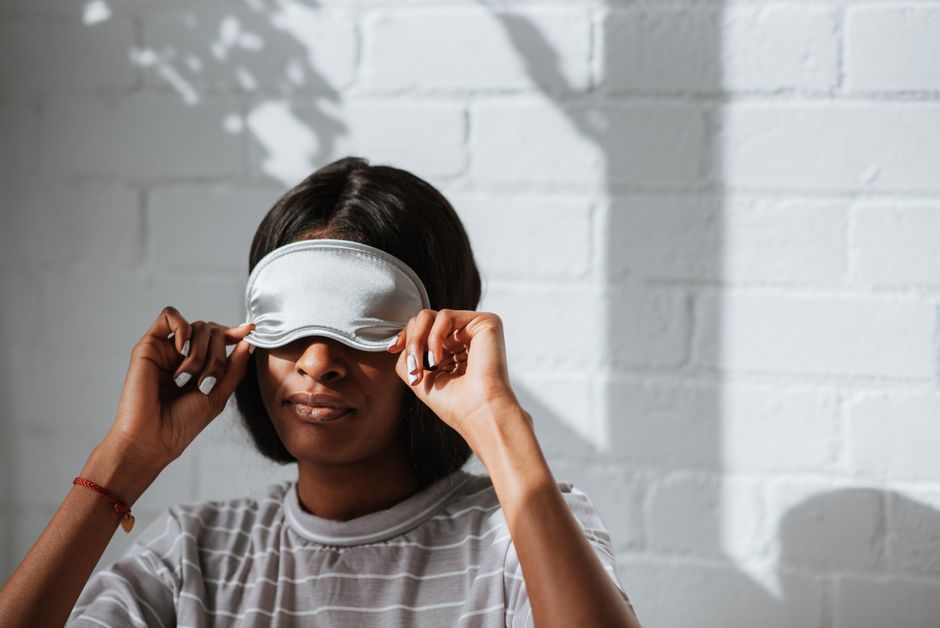
Eye masks are simple tools, but they do real work. Science shows they help most with sleep by blocking light, which supports your body’s natural melatonin production. For skin, the evidence is thinner — some masks offer temporary hydration or cooling, but they are not a treatment for wrinkles or dark circles. The honest answer is that eye masks are most valuable for sleep, and their skin benefits depend heavily on the type of mask and what you expect it to do.
What Do Eye Masks Help With Sleep Skin More? Science Says
Sleep is where eye masks earn their keep. Your body produces melatonin — the hormone that regulates sleep — in response to darkness. Light, especially blue light from screens, suppresses that production. A mask that blocks light effectively tells your brain it is night, which can help you fall asleep faster and stay asleep longer.
Research on sleep masks in hospital settings has been promising. Studies have found that patients wearing eye masks in intensive care units reported better sleep quality and shorter time to fall asleep. These are noisy, bright environments, but the principle applies at home too. If your bedroom has street lights, early morning sun, or a partner who reads late, a mask can make a measurable difference.
Skin is a different story. The term “eye mask” covers two very different products: sleep masks that block light, and sheet masks or cream masks worn for 10-20 minutes to deliver ingredients to the skin around the eyes. They are not interchangeable. A silk sleep mask does nothing for skin. A hydrogel eye patch does nothing for light blocking.
Do Sleep Masks Actually Improve Sleep Quality?
Yes, but the effect depends on your environment. If your room is already dark, a mask adds little. If light leaks in, a mask can improve both how quickly you fall asleep and how much deep sleep you get.
Light exposure at night does more than delay sleep. It shifts your circadian rhythm — the internal clock that governs sleepiness and wakefulness. Even dim light can affect this. One study found that exposure to room light during sleep was linked to shallower sleep and more nighttime awakenings compared to darkness.
Sleep masks work best when combined with other good sleep habits. Keep the room cool, avoid screens an hour before bed, and keep a consistent sleep schedule. The mask is a tool, not a cure. If you have chronic insomnia, a mask alone will not fix it — that requires addressing the underlying cause, often with professional help.
What Ingredients in Eye Patches Actually Work?
Eye patches and creams vary wildly in quality. Some contain ingredients with genuine research behind them. Others are mostly water and marketing.
Caffeine is one of the better-studied ingredients. Applied topically, it can temporarily constrict blood vessels, which may reduce puffiness for a few hours. The effect is real but short-lived. It does not change the underlying cause of puffiness, which is often fluid retention, allergies, or lack of sleep.
Hyaluronic acid is a humectant — it draws water into the skin. Eye patches containing it can temporarily plump fine lines by hydrating the skin. The effect lasts hours, not days. It is cosmetic, not structural.
Peptides and retinol are often added to eye creams. Retinol has solid evidence for stimulating collagen production over months of use. Peptides have weaker evidence but some studies suggest they may support skin structure. Neither works in a 15-minute patch. These require consistent daily application over weeks to see any change.
The skin around your eyes is thin — about 0.5 mm compared to 2 mm on the rest of your face. That makes it more delicate and more prone to showing signs of fatigue and aging. It also means ingredients penetrate more easily, which is good for delivery but also means irritation is more likely.





Can Eye Masks Reduce Dark Circles or Puffiness?
It depends on what is causing your dark circles. There are three main types, and only some respond to topical products.
Vascular dark circles appear blue or purple. They come from visible blood vessels beneath thin skin. Caffeine or cold therapy may temporarily constrict those vessels and lighten the appearance for a few hours.
Pigmented dark circles appear brown or black. These come from excess melanin, often due to genetics or sun damage. No eye mask ingredient has strong evidence for treating this type. Brightening ingredients like vitamin C or kojic acid may help over months, but the evidence is limited.
Shadow dark circles come from the hollowing under your eyes that happens with age. No cream or patch can fix this. It is a structural issue related to fat loss and bone changes. Dermal fillers are the only proven treatment, and that is a medical procedure with real risks.
For puffiness, cold is the most reliable tool. Cold constricts blood vessels and reduces fluid accumulation. Many gel masks are designed to be refrigerated for this reason. The effect lasts a few hours. If puffiness is severe or constant, it may be related to allergies, salt intake, or thyroid issues — worth discussing with a doctor.
What Type of Eye Mask Should You Choose?
Your goal should determine your purchase. There is no single best mask because the products solve different problems.
| Goal | Best Type | What It Does |
|---|---|---|
| Block light for sleep | Contoured sleep mask | Shapes around your eyes so they can stay closed naturally |
| Reduce morning puffiness | Refrigerated gel mask | Cold constricts blood vessels and reduces fluid |
| Temporary hydration | Hydrogel eye patches | Delivers moisture to plump fine lines for hours |
| Long-term skin changes | Daily eye cream with retinol | Stimulates collagen over weeks to months |
For sleep masks, fabric matters. Silk and satin are gentler on skin and cause less friction than cotton. They also tend to stay in place better. A contoured mask — one with space for your eyes — is more comfortable because your eyelashes are not pressed against the fabric. Some people cannot tolerate any pressure on their eyes, and for them a flat mask may be worse than no mask at all.
For skin masks, check the ingredient list rather than the claims on the front. A patch with caffeine, hyaluronic acid, or niacinamide has a plausible mechanism. A patch with botanical extracts and fragrance is unlikely to do much beyond temporary cooling.
Are There Any Risks to Using Eye Masks?
Sleep masks are generally safe, but they are not risk-free. A mask that is too tight can put pressure on your eyes, which is uncomfortable and in rare cases could affect the shape of the cornea over time. If you wake up with blurry vision or eye pain, stop using the mask and speak with an eye doctor.
Eye patches and creams carry a different risk — irritation. The skin around the eyes is thin and sensitive. Fragrance, essential oils, and certain preservatives can cause contact dermatitis, which looks like redness, itching, or flaking. If a product stings when you apply it, that is a warning sign. Wash it off and do not use it again.
One more thing worth knowing: the FDA regulates eye creams and patches as cosmetics, not drugs. That means the manufacturers do not have to prove their products work. Claims like “reduces wrinkles” or “brightens dark circles” are marketing language, not verified statements. This does not mean all products are useless — it means you should evaluate evidence yourself rather than trusting the label.
Do Eye Masks Help With Headaches or Sinus Pressure?
Some people use cold or warm eye masks for headaches, and there is reasonable logic here. Cold therapy is a common home treatment for migraine attacks. It numbs the area and constricts blood vessels, which may ease pain for some people. A small study found that a cold gel pack applied to the forehead reduced migraine pain in about one-third of participants.
Warm masks can help with sinus pressure. Moist heat applied to the face can help thin mucus and promote drainage, which may relieve the pressure behind your eyes that comes with sinus congestion. This is a comfort measure, not a treatment for the underlying infection or allergy.
Neither use is backed by strong clinical trials. The evidence is mostly anecdotal and based on general principles of temperature therapy. If a warm or cold mask helps you feel better during a headache, there is little harm in using one. Just do not use it as a substitute for medical care if your headaches are frequent or severe.
How Long Do You Need to Use an Eye Mask to See Results?
For sleep, the effect is immediate. If light was disrupting your sleep, you should notice a difference the first night. Your body does not need to adapt to a mask — it needs to be in darkness, and the mask provides that immediately.
For skin, results depend on the product and the claim. A cooling gel mask reduces puffiness within minutes but only for hours. Hyaluronic acid patches plump lines temporarily — the effect lasts through the day but fades overnight. Retinol creams require 8-12 weeks of nightly use before collagen changes become visible. If a product promises dramatic changes in days, it is either temporary or not working.
One honest note: no eye mask or cream will undo the effects of chronic sleep deprivation. If you are consistently sleeping less than seven hours, no topical product will fix the bags, circles, or dullness. Sleep is the foundation. Everything else is working around the edges.
Frequently Asked Questions
Do eye masks help you sleep better?
Yes, if light is disrupting your sleep. Eye masks block light, which supports melatonin production and helps you fall asleep faster and stay asleep longer.
Can eye masks reduce dark circles?
Only if your dark circles are caused by visible blood vessels, and even then the effect is temporary. Pigmented or shadow-type dark circles do not respond to topical products.
Are gel eye masks better than sheet masks?
Gel masks are better for cooling and reducing puffiness, especially when refrigerated. Sheet or hydrogel masks are better for delivering hydrating ingredients like hyaluronic acid.
How often should you use eye patches?
For temporary effects like hydration or de-puffing, use them as often as you like — a few times per week is common. For ingredients like retinol that require long-term use, follow the product instructions for daily application.
