
Rotator cuff syndrome is a broad term for a group of conditions that affect the four muscles and tendons that hold your shoulder joint in place. These conditions range from mild tendon inflammation to partial or complete tears of the tendon tissue. Treatment depends on the specific diagnosis, the severity of the damage, and your overall health, but most people improve with non-surgical care like physical therapy and rest.
What Exactly Is the Rotator Cuff?
The rotator cuff is a group of four muscles and their tendons. These are the supraspinatus, infraspinatus, teres minor, and subscapularis. Together, they form a “cuff” around the ball of the shoulder joint. Their job is to keep the upper arm bone seated in the shallow socket of the shoulder blade.
These muscles also help you rotate your arm and lift it overhead. Because the shoulder is such a mobile joint, it relies heavily on these tendons for stability. This combination of high mobility and high reliance makes the rotator cuff vulnerable to injury.
The term “syndrome” is used because the symptoms can come from several different problems. It could be tendonitis, which is inflammation of the tendon. It could be a tear, which is a rip in the tendon fibers. It could also be impingement, where the tendon gets pinched between the bones of the shoulder. Often, these issues overlap.
What Causes Rotator Cuff Syndrome?
There are two main ways the rotator cuff gets damaged: acute injury and gradual wear and tear. An acute injury happens suddenly. This often occurs when you lift something heavy, fall on an outstretched arm, or make a forceful movement. This type of injury is common in younger, active people.
Gradual wear and tear is more common as we age. Over time, the tendons naturally weaken and become thinner. Repetitive overhead motions, like painting, swimming, or playing tennis, can speed up this process. Bone spurs can also form on the shoulder blade and rub against the tendon, causing damage over years.
Age is a major risk factor. Rotator cuff problems become much more common after age 40. The risk of a tear increases significantly with each decade of life. Some research suggests that a large percentage of people over 60 have rotator cuff tears, even if they have no symptoms at all.
What Are the Common Symptoms?
The most common symptom is pain. This pain is often felt in the shoulder, but it can also radiate down the upper arm. Many people describe a deep, aching pain that is worse at night. Sleeping on the affected shoulder is often very uncomfortable.
Weakness is another key symptom. You might find it hard to lift your arm overhead, reach behind your back, or carry objects. This weakness can be due to pain, or it can be due to an actual tear in the tendon. A complete tear often causes significant weakness that does not improve with pain relief alone.
You may also hear or feel a clicking, popping, or cracking sensation when you move your arm. This is called crepitus. It is not always painful, but it can be. If the pain is severe, comes on suddenly after an injury, and is accompanied by an inability to lift your arm, you should see a doctor promptly.




How Is Rotator Cuff Syndrome Diagnosed?
A doctor will start with a physical exam. They will check your range of motion and strength. They will also perform specific tests that put pressure on different parts of the rotator cuff to see which tendon is involved. These tests are helpful, but they are not always definitive.
Imaging is often needed to confirm the diagnosis. An X-ray cannot show tendons, but it can show bone spurs or other bone abnormalities. An ultrasound or an MRI can show the soft tissues, including the tendons. These scans can reveal inflammation, partial tears, or complete tears.
An MRI is very detailed and can show the size and location of a tear. Ultrasound is also useful and does not involve radiation. The choice of imaging depends on your specific symptoms and what your doctor suspects. A clear diagnosis is essential because treatment for a small inflamed tendon is very different from treatment for a large tear.
What Is Rotator Cuff Syndrome and How Is It Treated with Non-Surgical Options?
Most cases of rotator cuff syndrome are treated without surgery. The first line of treatment is usually rest and activity modification. This means avoiding the movements that cause pain, but it does not mean complete immobilization. Complete rest can lead to a frozen shoulder.
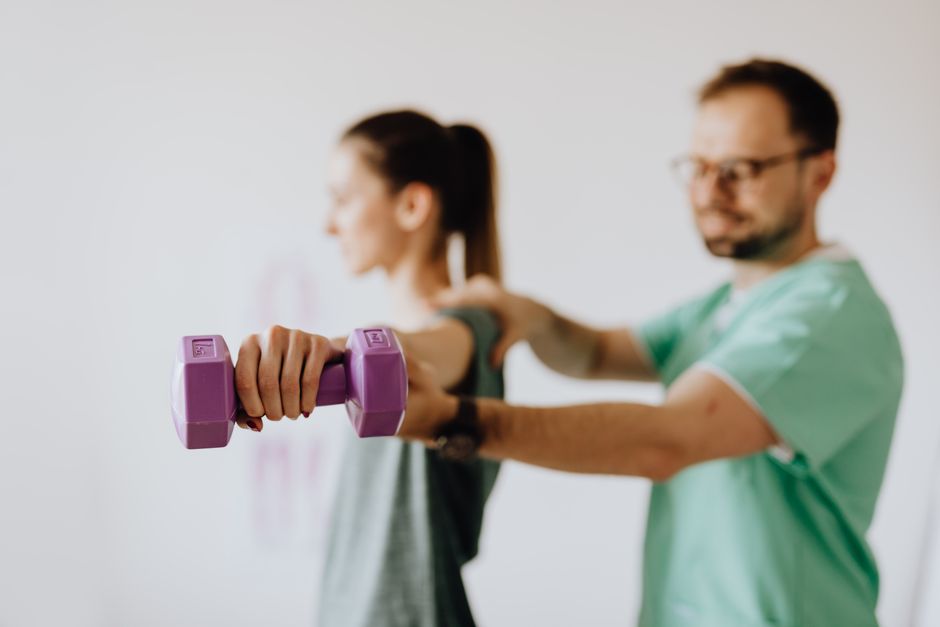
Physical therapy is the cornerstone of non-surgical treatment. A physical therapist will teach you exercises to strengthen the shoulder muscles and improve your range of motion. The goal is to improve the mechanics of the shoulder so the tendons are not irritated. Therapy usually takes several weeks to months to show significant results.
Anti-inflammatory medications like ibuprofen or naproxen can help reduce pain and swelling. These are available over the counter. They should be used for short periods of time, as long-term use can have side effects. A cortisone injection is another common option. This is a strong anti-inflammatory medication injected directly into the shoulder. It can provide significant pain relief, but it is not a cure. The effect is often temporary.
Most people with tendonitis or small partial tears improve with these measures. The evidence for physical therapy is strong. For larger tears, non-surgical treatment can still help manage symptoms, but it may not fully restore strength.
When Is Surgery Needed?
Surgery is not the first choice for most people. It is usually considered when non-surgical treatment has failed after several months. It is also considered for large, acute tears in younger, active patients where restoring full strength is a priority.
The most common surgical procedure is called arthroscopic repair. The surgeon makes small incisions and uses a tiny camera to see inside the joint. The torn tendon is then reattached to the bone using small anchors. This is a minimally invasive procedure with a faster recovery than open surgery.
In some cases, an open surgery is required. This involves a larger incision and is used for very complex tears. The decision to have surgery should be made between you and an orthopedic surgeon. It is important to discuss the realistic outcomes. Full recovery after surgery takes time, often six months or more of rehabilitation.
It is also important to know that many people with full rotator cuff tears do well without surgery. They may have some weakness, but they can manage their pain and function adequately. The decision is not always clear-cut, and the evidence shows that both paths can lead to acceptable outcomes for many patients.
What Does Recovery Look Like?
Recovery depends entirely on the treatment path. For non-surgical treatment, recovery is gradual. You may see improvement in a few weeks, but it can take three to six months to get back to full activity. Consistency with physical therapy exercises is the most important factor in recovery.
For surgical recovery, the timeline is longer. You will likely wear a sling for several weeks to protect the repair. Physical therapy starts very gently and progresses slowly. It can take up to a year to see the final results of surgery. The first few weeks are the hardest, but gradual improvement is expected.
Pain during recovery is normal. Your doctor will give you guidance on pain management. It is crucial not to rush the healing process. Pushing too hard too soon can re-injure the tendon. Follow your surgeon’s and therapist’s instructions carefully.
Frequently Asked Questions
Can a rotator cuff tear heal on its own?
A small partial tear can sometimes heal with rest and physical therapy, but a full tear will not grow back together on its own. The body may form scar tissue, but the tendon tissue itself rarely heals without intervention.
How long does rotator cuff syndrome take to heal?
With non-surgical treatment, it can take three to six months to see significant improvement. After surgery, the full recovery process often takes six months to a year.
Is it safe to sleep on my shoulder with rotator cuff pain?
Sleeping on the affected shoulder is usually very painful and can aggravate the condition. Try sleeping on your back or on the opposite side with a pillow supporting the affected arm.
What happens if I ignore rotator cuff pain?
Ignoring the pain can lead to a larger tear, increased weakness, and loss of shoulder mobility over time. Early treatment with physical therapy often prevents the condition from getting worse.
