
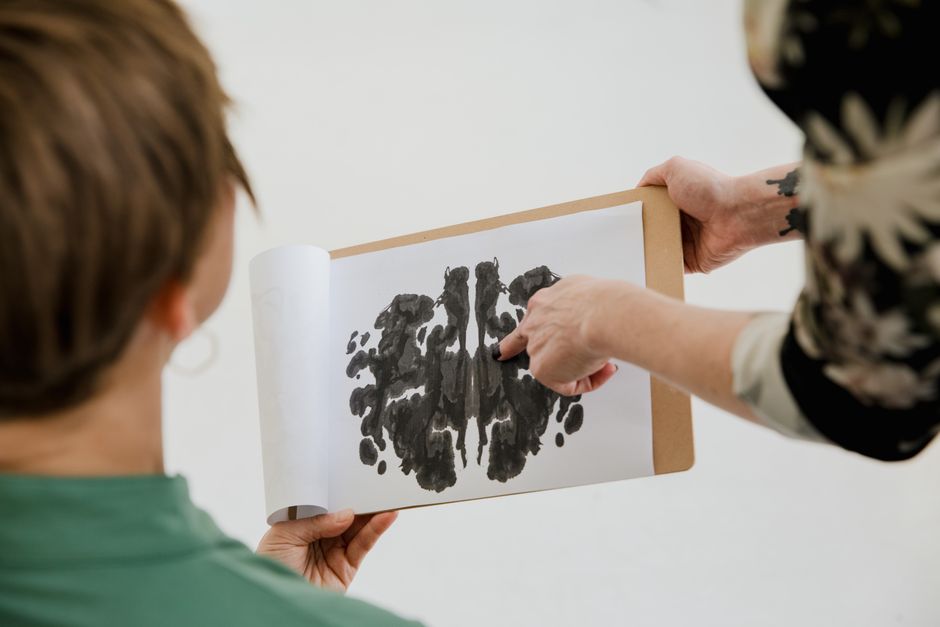
Schizophrenia develops from a mix of genetic risk and environmental triggers that affect brain development. No single cause exists. Instead, multiple factors combine over time to alter brain structure and chemistry, especially in the teenage and young adult years. This combination leads to the symptoms that define schizophrenia: hallucinations, delusions, disorganized thinking, and reduced emotional expression.
How Do People Become Schizophrenic Causes? The Reason
People do not catch schizophrenia like a cold. The condition builds over time as small inherited vulnerabilities meet specific life stressors. Most people who develop schizophrenia carry genes that make their brains slightly more sensitive to certain triggers. These triggers include complications during birth, heavy cannabis use in adolescence, and severe stress. The real reason lies in the interaction between these two forces — genes and environment. When a person with high genetic risk experiences enough environmental stress, their brain’s dopamine system becomes dysregulated. This dysregulation then produces the hallmark symptoms of psychosis.
Genetic Vulnerability: Not Destiny, But Risk
Schizophrenia runs in families, but not in a simple way. The risk for the general population is about 1 percent. If a parent has schizophrenia, a child’s risk rises to roughly 10 percent. If an identical twin has it, the other twin has about a 40 to 50 percent chance. This shows genetics matter strongly, but they are not the whole story. Identical twins share the same DNA, but they do not always both develop schizophrenia.
Researchers have identified hundreds of gene variants that each add a tiny amount of risk. No single “schizophrenia gene” exists. These genes affect how brain cells communicate, especially through the neurotransmitter dopamine. Some genes influence how the brain prunes unused connections during adolescence. That pruning process, when too aggressive, may contribute to schizophrenia.
Environmental Triggers That Matter Most
Several environmental factors increase the chance of developing schizophrenia, especially when combined with genetic risk. These include:
- Birth complications: Oxygen deprivation during delivery, low birth weight, and premature birth have all been linked to higher risk. These events can subtly damage brain areas that regulate dopamine.
- Growing up in a city: Several large studies show that children raised in dense urban environments have about double the risk of developing schizophrenia compared with those raised in rural areas. The reasons are not fully understood, but social stress, pollution, and exposure to infections may play a role.
- Migration and discrimination: Immigrants and their children have higher rates of schizophrenia, particularly when moving from one culture to another. Social adversity and racism likely contribute.
- Cannabis use: Heavy cannabis use, especially high-potency strains in early adolescence, is a well-established trigger. Studies estimate that cannabis use roughly doubles the risk of developing psychosis, but only among people who already carry some genetic vulnerability. For most users, the risk remains low.
- Stress and trauma: Childhood abuse, neglect, or loss of a parent increase risk later in life. Chronic stress can raise cortisol levels, which may interfere with dopamine regulation.
No single trigger causes schizophrenia on its own. The damage comes from the accumulation of these factors at the wrong developmental stage.





Brain Changes: What Actually Happens
The brains of people with schizophrenia show clear differences on average, though no scan can diagnose the condition. Many people with schizophrenia have slightly smaller overall brain volume, particularly in the temporal and frontal lobes. The ventricles — fluid-filled spaces in the brain — tend to be larger, which suggests loss of surrounding tissue.
Dopamine is the key chemical involved. In schizophrenia, certain dopamine pathways become overactive, especially in the mesolimbic area. This overactivity likely produces positive symptoms like hallucinations and delusions. At the same time, dopamine activity in the prefrontal cortex may be too low, contributing to negative symptoms such as lack of motivation and social withdrawal.
Other neurotransmitters, including glutamate and GABA, also play a role. Glutamate helps regulate dopamine, and problems with glutamate signaling may explain some of the brain structure changes.
These brain changes do not appear overnight. They develop gradually, often starting years before the first psychotic episode. Some researchers describe a “prodromal phase” where people show subtle changes in thinking, social function, and mood before clear psychosis begins.
Can You Prevent Schizophrenia?
No proven strategy can guarantee prevention. But because the causes are partly environmental, reducing certain risks may help. Avoiding heavy cannabis use in the teenage years is one clear step. Managing stress, treating childhood trauma, and improving prenatal care may also lower risk. However, since the strongest factor — genetics — cannot be changed, prevention is not currently possible for most people.
Early intervention is more realistic than prevention. When a first episode of psychosis is treated quickly, outcomes improve significantly. Many countries now have specialized early psychosis programs that offer psychological support, family education, and low-dose antipsychotic medication.
Treatment: Managing Symptoms, Not Curing
Schizophrenia has no cure, but treatment helps most people manage symptoms. Antipsychotic medications remain the mainstay. They block dopamine receptors, which reduces hallucinations and delusions. Different medications have different side effects, and finding the right one often takes time.
Psychological therapies are also important. Cognitive behavioral therapy for psychosis helps people question delusions and cope with voices. Social skills training and supported employment improve daily functioning. Family therapy reduces relapse rates by improving communication and reducing stress at home.
With treatment, about one in three people with schizophrenia improve substantially and live independently. About one in three have moderate symptoms that require ongoing support. The remaining third have persistent, severe symptoms that make independent living difficult. Early treatment and sustained support improve the odds of a better outcome.
Frequently Asked Questions
Can schizophrenia be caused by stress alone?
No. Stress alone does not cause schizophrenia, but it can trigger psychosis in someone who already has a genetic vulnerability.
Is schizophrenia inherited from mother or father?
It can come from either side. The risk is about 10 percent if one parent has schizophrenia and about 40 percent if both do.
Can you develop schizophrenia later in life?
Yes, but most cases appear between ages 16 and 30. Late-onset schizophrenia after age 45 is uncommon.
Does marijuana cause schizophrenia?
Marijuana does not cause schizophrenia in most people, but heavy use during adolescence roughly doubles the risk among those who are already genetically vulnerable.
