
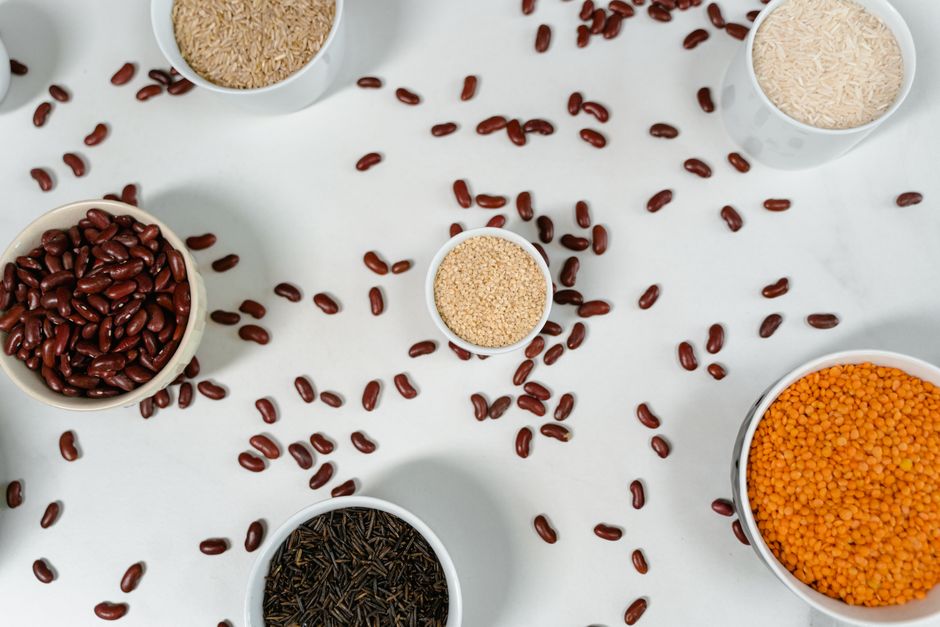
Beans and rice are two of the most widely eaten foods on the planet, and the question of which is healthier comes up often. The direct answer is that beans offer a more concentrated package of protein and fiber, while rice provides quick, easily digested energy. However, the healthiest choice depends entirely on your individual nutritional needs, activity level, and health goals. For most people, combining both foods creates a complete protein profile that is better than eating either one alone.
Are Beans Healthier Than Rice Nutrition Facts?
The short answer is yes, beans are generally more nutrient-dense than white rice. A serving of beans contains significantly more protein, fiber, iron, and potassium than a serving of white rice. Beans also have a lower glycemic index, meaning they raise blood sugar more slowly. Rice, particularly brown rice, offers valuable B vitamins and minerals, but it lacks the protein and fiber density that beans provide.
This does not mean rice is unhealthy. Rice is a staple food for billions of people for good reason. It is easy to digest, provides steady energy, and is naturally gluten-free. The comparison becomes meaningful when you look at what each food contributes to your daily nutritional requirements.
What Are the Main Nutritional Differences Between Beans and Rice?
The differences come down to three main areas: protein, fiber, and micronutrients. Beans contain roughly 15 grams of protein per cooked cup, while white rice contains about 4 grams per cooked cup. Brown rice has slightly more at about 5 grams, but still falls well short of beans.
Fiber is another area where beans clearly outperform rice. A cup of cooked beans provides 12 to 15 grams of fiber, depending on the variety. The same amount of white rice provides less than 1 gram. Brown rice provides about 3 grams. This difference matters because fiber supports digestive health, helps regulate blood sugar, and contributes to feelings of fullness.
Beans also contain more iron, magnesium, and potassium than rice. These minerals play essential roles in oxygen transport, muscle function, and blood pressure regulation. Rice contains some B vitamins, especially thiamine and niacin, which are important for energy metabolism.
Does the Type of Rice Change the Comparison?
Brown rice is nutritionally superior to white rice, but it still does not match beans on protein or fiber. Brown rice retains its bran and germ layers, which contain most of the grain’s nutrients. This gives brown rice more fiber, magnesium, and B vitamins than white rice.
White rice has been milled to remove the bran and germ, which extends its shelf life but strips away nutrients. In many countries, white rice is enriched with iron and B vitamins to replace some of what was lost. Even with enrichment, white rice remains a mostly carbohydrate food with modest nutritional value beyond energy.
Some varieties of rice, such as black rice and red rice, contain more antioxidants than white or brown rice. However, these antioxidant compounds do not change the fundamental protein and fiber gap between beans and rice.




What Happens to Your Blood Sugar When You Eat Beans Versus Rice?
Blood sugar response is one of the clearest differences between these two foods. Beans have a low glycemic index, typically scoring between 28 and 40 depending on the variety. This means they are digested slowly and cause a gradual rise in blood sugar. White rice has a high glycemic index, often scoring above 70, which means it is digested quickly and causes a rapid spike in blood sugar.
Brown rice falls in between, with a glycemic index around 50 to 55. The slow digestion of beans is largely due to their fiber and resistant starch content. These carbohydrates are not fully broken down in the small intestine, so they do not enter the bloodstream as quickly as the simple starches in white rice.
For people with diabetes or prediabetes, this difference can be clinically meaningful. Replacing white rice with beans has been associated with better blood sugar control in some studies. The soluble fiber in beans also feeds beneficial gut bacteria, which may influence glucose metabolism over time.
Do Beans and Rice Together Provide Complete Protein?
Yes, this is one of the most well-established facts in nutrition. Beans are low in the amino acid methionine but high in lysine. Rice is the opposite, containing methionine but lacking sufficient lysine. When eaten together, they complement each other to provide all nine essential amino acids your body cannot produce on its own.
This combination has fed billions of people across Latin America, Asia, Africa, and the Caribbean for centuries. Traditional dishes like rice and beans, dal and rice, and beans on toast all rely on this nutritional partnership. The combination is particularly important for people who eat little or no animal protein.
You do not need to eat them in the same meal for this benefit to work. Your body pools amino acids from foods eaten throughout the day. Eating beans at lunch and rice at dinner still provides the complete protein profile your body needs.
Which Is Better for Weight Management?
Beans have several advantages for weight management. Their high fiber and protein content increase satiety, meaning you feel full longer after eating them. Studies consistently show that people who eat beans regularly tend to have lower body weight and smaller waist circumference compared to those who do not.
Rice, especially white rice, is less filling per calorie. A cup of cooked white rice contains about 205 calories and provides little protein or fiber to signal fullness. You can eat a large volume of rice without feeling satisfied, which can lead to overeating.
That said, rice is not inherently fattening. Weight gain occurs when total calorie intake exceeds energy expenditure. Brown rice, with its higher fiber content, is more filling than white rice and may support weight management better. But for pure satiety per calorie, beans are the clear winner.
Are There Any Downsides to Eating Beans?
Beans do have some drawbacks that rice does not. They contain compounds called oligosaccharides that some people cannot digest fully, leading to gas and bloating. This discomfort is common but usually decreases as your digestive system adapts to regular bean consumption. Soaking beans before cooking and discarding the soaking water helps reduce these compounds.
Beans also contain phytic acid, which can reduce the absorption of certain minerals like iron and zinc. This is rarely a problem for people eating a varied diet, but it can matter for people who rely heavily on beans as a dietary staple. Soaking, sprouting, and fermenting beans reduces phytic acid content.
People with certain digestive conditions, such as irritable bowel syndrome, may find beans difficult to tolerate. In these cases, rice is often better tolerated and may be the preferred carbohydrate source. Canned beans are convenient but often contain added sodium, so rinsing them before use is advisable.
How Should You Include Beans and Rice in a Healthy Diet?
There is no single correct answer, but a practical approach is to include both foods in your diet. If your goal is to increase protein and fiber intake, replacing some rice with beans is a straightforward change. If you need quick energy for athletic performance, rice before exercise may serve you better than beans.
Combining them is the most evidence-based approach. A meal with one part beans and one part rice provides a complete protein profile, a moderate glycemic load, and a substantial fiber boost. This combination is affordable, shelf-stable, and works in countless recipes from burrito bowls to soups to grain salads.
For people watching blood sugar, prioritizing beans over white rice is supported by research. For people with digestive sensitivities, rice may be the more comfortable choice. Most people benefit from eating both, with beans taking up a larger share of the plate than rice.
Frequently Asked Questions
Can you eat beans and rice every day?
Yes, beans and rice can be eaten daily as part of a balanced diet. This combination provides complete protein, fiber, and essential nutrients that support overall health.
Which bean is the healthiest to eat?
No single bean is definitively healthiest, but lentils, black beans, and chickpeas are among the most nutrient-dense options. All beans provide similar protein and fiber benefits, so variety is more important than choosing one specific type.
Are canned beans as healthy as dried beans?
Canned beans are nutritionally comparable to dried beans after they are rinsed. Rinsing removes about 40 percent of the added sodium, making them a convenient and healthy option.
Is brown rice significantly better than white rice?
Brown rice contains more fiber, magnesium, and B vitamins than white rice because it retains the bran and germ. The difference is meaningful, but white rice is not harmful when eaten in moderation as part of a varied diet.
