
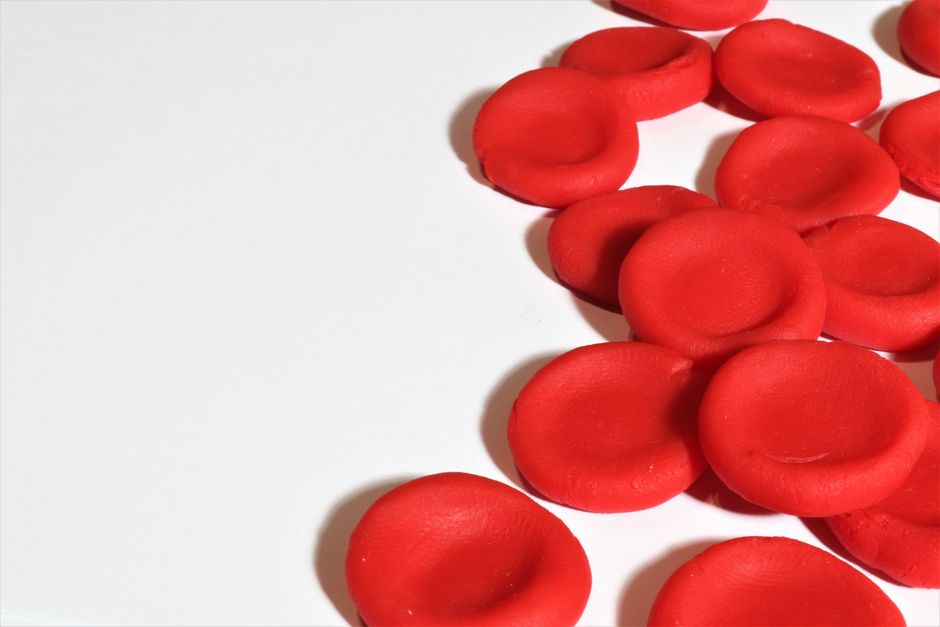
Red blood cell distribution width (RDW) is a measurement that shows how much red blood cells vary in size. It appears on a standard CBC (complete blood count) report, often right next to the MCV (mean corpuscular volume). A normal RDW generally falls between 11.5% and 14.5%. A higher number means your red blood cells are less uniform in size than expected.
That is the plain definition. But RDW is more interesting than it sounds. It is not a diagnosis. It is a signal. And in recent years, researchers have found that this small number on a routine blood test can reflect things far beyond red blood cell size — including inflammation, nutritional status, and in some cases, overall health risk.
What Is Red Blood Cell Distribution Width Rdw?
RDW measures the variation in size of your red blood cells. The result is reported as a percentage called the coefficient of variation. A low RDW means your red blood cells are relatively uniform in size. A high RDW means there is a wider mix of smaller and larger cells circulating in your blood.
Red blood cells normally live about 120 days. They are produced in bone marrow and released into the bloodstream at a fairly consistent size. When something disrupts that process — nutrient shortages, chronic disease, bone marrow problems — the cells that get released may vary more in size. RDW picks up that variation.
It is important to understand that RDW alone does not tell you what is wrong. It is a clue. Doctors read it alongside other values on the CBC, especially MCV, hemoglobin, and hematocrit. The pattern across those values is what points toward a cause.
What Does a High RDW Mean?
A high RDW means your red blood cells are more varied in size than normal. This is called anisocytosis. It is a descriptive finding, not a disease in itself. The question that matters is why the variation exists.
Common causes include:
- Iron deficiency anemia — often the earliest sign, sometimes appearing before hemoglobin drops
- Vitamin B12 or folate deficiency
- Mixed nutritional deficiencies (for example, iron plus B12)
- Chronic inflammatory conditions
- Kidney disease
- Liver disease
- Hemolytic anemia (red blood cells breaking down faster than normal)
- Bone marrow disorders
One detail that surprises many people: RDW can rise before other red blood cell values change. In early iron deficiency, the body may still maintain a normal hemoglobin count while red blood cell size starts to shift. That makes RDW a useful early warning signal in some cases.
RDW also tends to rise with age. Some research suggests that a mildly elevated RDW in an older adult without obvious cause may warrant a broader look at underlying health. The evidence here is not strong enough to call it a screening tool, but it is a finding clinicians increasingly pay attention to.
What Does a Low RDW Mean?
A low RDW is generally not a concern. It means your red blood cells are very uniform in size. In most cases, this is simply normal.
There is one situation where a low RDW can be informative. If a person has anemia with a low RDW, it suggests the anemia is caused by a process that produces consistently sized cells — such as recent blood loss or certain types of chronic disease — rather than a nutritional deficiency that creates a mix of cell sizes.
On its own, a low RDW rarely requires follow-up. It becomes meaningful only when read alongside other abnormal CBC results.





How Is RDW Different From MCV?
RDW and MCV measure two different things about red blood cells. MCV (mean corpuscular volume) tells you the average size. RDW tells you how much sizes vary around that average.
Think of it this way. A group of people could all be exactly 5 feet 8 inches tall — that is a low RDW with a specific MCV. Another group could average 5 feet 8 inches but include people from 4 feet 10 to 6 feet 6 — same MCV, high RDW. The average is identical. The variation is not.
That distinction matters for diagnosis. Here is how the patterns often look:
| MCV | RDW | Possible Pattern |
|---|---|---|
| Low | High | Iron deficiency, mixed deficiency |
| Low | Normal | Thalassemia trait, some chronic diseases |
| Normal | High | Early nutrient deficiency, mixed anemia |
| High | High | B12 or folate deficiency, hemolytic anemia |
| High | Normal | Some bone marrow disorders, liver disease |
This table reflects common patterns, not certainties. Real cases overlap. A doctor uses the full CBC plus symptoms and history to narrow things down.
Why Is RDW Getting More Attention?
For decades, RDW was treated as a minor supporting value — useful mainly for sorting out types of anemia. That has shifted. A growing body of research has linked elevated RDW to outcomes in conditions that have nothing to do with anemia.
Studies have found associations between high RDW and:
- Cardiovascular disease and heart failure outcomes
- Chronic kidney disease progression
- Diabetes complications
- Certain cancers
- Overall mortality in older adults
What does “association” mean here? It means that in large groups of people, those with higher RDW tended to have worse outcomes. It does not mean RDW causes those outcomes. It also does not mean that lowering RDW would improve them.
Researchers have proposed several explanations. Chronic inflammation can interfere with red blood cell production and survival. Oxidative stress may shorten red blood cell lifespan. Poor nutritional status often accompanies chronic illness. Any of these could raise RDW while also contributing to disease. RDW may be acting as a marker of underlying biological stress rather than a driver of disease.
That distinction is important. A marker can be useful for risk assessment without being a treatment target. No clinical guideline currently recommends treating an elevated RDW directly. The value is in what it might reveal about what is happening underneath.
When Should You Be Concerned About Your RDW?
A single high RDW on a routine blood test is not a reason to panic. It is a reason to look at the rest of the CBC and talk to your doctor about context.
Your doctor will likely consider:
- Your hemoglobin and hematocrit levels
- Your MCV
- Whether you have symptoms like fatigue, shortness of breath, or pallor
- Your diet, medications, and medical history
- Whether the result is new or has been elevated over time
If RDW is elevated and other values are normal, your doctor may repeat the test or order additional labs such as iron studies, vitamin B12, folate, or a reticulocyte count. Sometimes a mildly high RDW turns out to be temporary and resolves on its own. Sometimes it points to something that needs treatment.
An isolated RDW result without other abnormal findings is generally not treated. The exception is when it is part of a pattern that suggests an underlying condition worth investigating.
Can You Lower Your RDW?
There is no direct way to lower RDW. It is not a value you target. It is a value that responds to whatever is happening in your body.
If a nutritional deficiency is driving the elevation, correcting that deficiency may bring RDW back toward normal over time. This does not happen quickly. Red blood cells live about 120 days, so changes in RDW typically lag weeks to months behind the underlying correction.
If chronic inflammation or disease is the cause, treating that condition is the focus — not the RDW itself. In some cases, RDW stays elevated even after the underlying issue is managed.
What you should not do is take supplements or make dietary changes based on an RDW result alone. Iron supplements, for example, can be harmful if you do not actually have iron deficiency. Any change should follow a proper evaluation and your doctor’s guidance.
What Is a Normal RDW Range?
A normal RDW is generally between 11.5% and 14.5%. This range can vary slightly depending on the laboratory and the reference range printed on your report.
Some labs use slightly different cutoffs. Always compare your result to the range provided by the lab that ran your test. If your value is just outside the range, that alone may not be meaningful — small fluctuations are common.
A significantly elevated RDW, especially when paired with other abnormal CBC values, is more likely to prompt further investigation than a borderline result.
Frequently Asked Questions
What does a high RDW mean in a blood test?
A high RDW means your red blood cells vary more in size than normal. It is a signal, not a diagnosis — it can point to nutritional deficiencies, chronic disease, or other conditions that a doctor will investigate alongside other test results.
Is RDW 15 dangerous?
An RDW of 15% is above the typical normal range of 11.5% to 14.5%, but it is not dangerous by itself. What matters is whether other blood values are abnormal and whether there is an underlying cause that needs treatment.
Can stress cause high RDW?
Chronic physical stress on the body — such as inflammation or illness — has been associated with higher RDW in some studies. Psychological stress alone has not been established as a direct cause.
Does high RDW always mean anemia?
No. High RDW can occur without anemia, and it has been linked to conditions like heart disease, kidney disease, and inflammation. It is a nonspecific finding that requires context from the rest of the blood count.
