
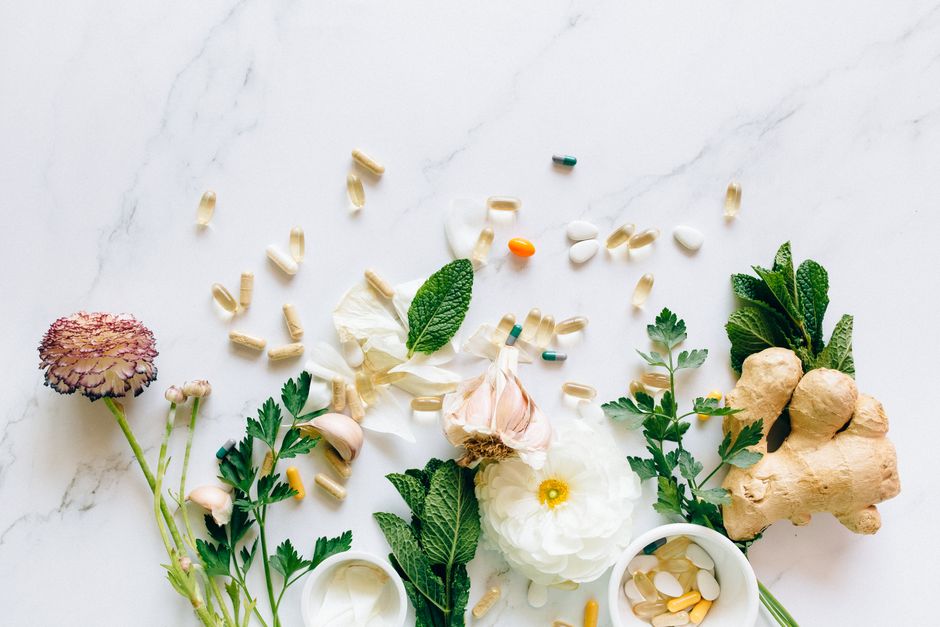
“Provision food” is an old term that still shows up in survival guides, camping checklists, and prepper forums. It simply means food that has been set aside in advance — stored, preserved, or stockpiled so it is available when fresh food is not. The term covers everything from a pantry shelf of canned goods to military rations to the dried staples carried on long sea voyages centuries ago. Understanding what provision food is, where the idea came from, what forms it takes, and how it is actually used today helps separate practical food storage from marketing hype.
What Is Provision Food and Where Does the Term Come From?
Provision food is any food kept in reserve for future use rather than eaten fresh or immediately. The word “provision” comes from the Latin providere, meaning “to foresee” or “to provide for.” The core idea is planning ahead — putting food aside before you need it.
The concept is ancient. Roman legions carried rations of grain, salted meat, and vinegar. Sailing ships in the 17th and 18th centuries stocked hardtack, salted pork, dried peas, and rum for months-long voyages. Soldiers in the American Civil War ate hardtack, salt pork, and coffee. In each case, the food was chosen because it resisted spoilage, was lightweight or compact, and could be eaten with minimal preparation.
What made these foods work was not nutrition in the modern sense. It was shelf stability. Salt, drying, smoking, and later canning allowed food to remain edible for weeks, months, or years without refrigeration. That principle still defines provision food today.
How Does Food Preservation Make Provision Food Possible?
Food spoils because microorganisms — bacteria, molds, and yeasts — break it down. Preservation methods work by making the food environment hostile to that growth. This is well-established food science, not opinion.
Salt draws moisture out of food through osmosis, leaving too little water for most bacteria to survive. Drying removes water entirely. Smoking combines drying with antimicrobial compounds in the smoke itself. Canning uses heat to kill microorganisms and a sealed container to keep new ones out. Freezing slows microbial activity and chemical reactions without killing most microbes outright — they resume activity when the food thaws.
Each method has limits. Canned food can spoil if the seal fails or if the canning process was inadequate, which is why home canning guidelines from the USDA emphasize tested processing times and pressures. Dried food can absorb moisture and mold if stored poorly. Freeze-dried food lasts longer than most people expect — often years — but only if the packaging stays intact and oxygen is excluded.
One point worth clarifying: “preserved” does not automatically mean “nutritionally inferior.” Some nutrients degrade over time, particularly certain vitamins, but the calorie content and mineral content of properly stored provision food remain largely stable. Vitamin C is the most vulnerable to degradation during long storage, which is historically why scurvy was such a problem on long voyages before citrus was added to ship provisions.
What Are the Main Types of Provision Food?
Provision food falls into several broad categories, each with distinct storage characteristics and uses.
- Canned goods — beans, vegetables, fruit, meat, and fish. Commercially canned food is shelf-stable for years under normal conditions. Acidic foods like tomatoes have shorter optimal storage than low-acid foods like green beans.
- Dry staples — rice, wheat, oats, cornmeal, pasta, and dried beans. These store well when kept cool, dry, and away from pests. White rice stores longer than brown rice because the oils in the bran can turn rancid.
- Freeze-dried and dehydrated foods — commonly sold for camping, backpacking, and emergency kits. Freeze-drying removes about 98% of water content, which gives it a long shelf life when sealed properly.
- Salted, smoked, and cured foods — jerky, salt cod, cured meats, and hard cheeses. These rely on traditional preservation chemistry.
- Fats and oils — cooking oil, ghee, and shortening. These have shorter shelf lives than dry goods and can go rancid, so they need rotation.
- Sugar, honey, and salt — these store almost indefinitely under the right conditions. Honey in particular resists microbial growth because of its low water activity and acidity.
- Military and emergency rations — Meals Ready to Eat (MREs), survival tabs, and similar products designed for portability and long shelf life.
A common mistake is assuming all “emergency food” sold online is equal. Some products are simply repackaged dry goods with inflated claims. The shelf life printed on a package is often a best-estimate, not a guarantee, and it depends heavily on storage conditions.

How Is Provision Food Used in Everyday Life?
Most people use provision food without calling it that. A pantry stocked with rice, canned beans, and pasta is provision food. So is a freezer full of batch-cooked meals.
The uses break down into a few practical situations:
- Household food security — having a buffer against job loss, illness, or supply disruptions.
- Emergency preparedness — hurricanes, earthquakes, winter storms, and power outages. FEMA and the American Red Cross generally recommend keeping at least a several-day supply of non-perishable food and water per person, though specific recommended durations vary by source and situation.
- Camping, hiking, and backpacking — lightweight, calorie-dense foods that do not require refrigeration.
- Travel and remote work — offshore rigs, research stations, and long-haul shipping all depend on provision food systems.
- Food budgeting — buying staples in bulk when prices are low and storing them for later use.
There is a difference between a working pantry and a stockpile. A working pantry rotates food regularly — you eat what you store and replace it. A stockpile sits untouched and can quietly expire. The rotation approach is generally more practical and wastes less food.
What Should You Know About Shelf Life and Storage?
Shelf life depends on the food, the packaging, and the storage conditions. Temperature is the single biggest variable. Every increase in storage temperature speeds up the chemical reactions that degrade food quality.
General storage principles that hold across most provision foods:
- Keep food cool, dark, and dry. Heat, light, and moisture are the main enemies.
- Use airtight containers for dry goods to keep out moisture, oxygen, and insects.
- Rotate stock — first in, first out.
- Label everything with the date you stored it.
- Store food off the floor and away from concrete walls, which can transfer moisture.
Exact shelf-life numbers vary widely by product and conditions, so it is more useful to check the specific storage guidance for each food type rather than rely on a single rule. Canned goods generally keep for years past their printed date if the can is undamaged, though quality declines. Dry goods stored in ideal conditions can last many years. Fats and oils are the shortest-lived and should be rotated most often.
Never taste food from a bulging, leaking, or badly dented can. Botulism is rare but serious, and it can be present without any visible sign or smell. When in doubt, throw it out.
Is Provision Food the Same as Survival Food or Emergency Food?
The terms overlap but are not identical. Provision food is the broadest category — any food stored for future use. Emergency food usually refers to food specifically set aside for disasters, often with a defined shelf life and portability in mind. Survival food tends to be a marketing term, often applied to products sold with dramatic claims about catastrophic scenarios.
The marketing side deserves scrutiny. Some emergency food kits are genuinely well-made and tested. Others repackage ordinary grocery items at a significant markup. No independent body certifies most “survival food” claims, and the shelf-life figures printed on packaging are typically based on manufacturer testing, not independent verification.
A practical approach is to build provision food from ordinary groceries you already eat — rice, beans, canned vegetables, oats, peanut butter — rather than buying specialized kits. This costs less, tastes better, and rotates naturally. Specialized freeze-dried kits make sense for backpacking or for people who genuinely need maximum shelf life in minimum space.
Frequently Asked Questions
How long does provision food last?
It depends entirely on the type and storage conditions. Canned goods often remain safe for years past their printed date, while fats and oils go rancid within months to a couple of years.
Is provision food the same as emergency food?
Provision food is the broader term covering any food stored for future use, while emergency food usually refers specifically to supplies set aside for disasters. Most everyday pantry staples qualify as provision food.
Can you get sick from eating old stored food?
Yes, particularly from damaged cans or improperly preserved items. Botulism can occur without visible spoilage, so any bulging, leaking, or badly dented can should be discarded.
What is the best food to store for emergencies?
Foods you already eat regularly, stored and rotated properly, are generally the most practical choice. Dry staples, canned goods, and shelf-stable fats cover most needs without the cost of specialized kits.
