
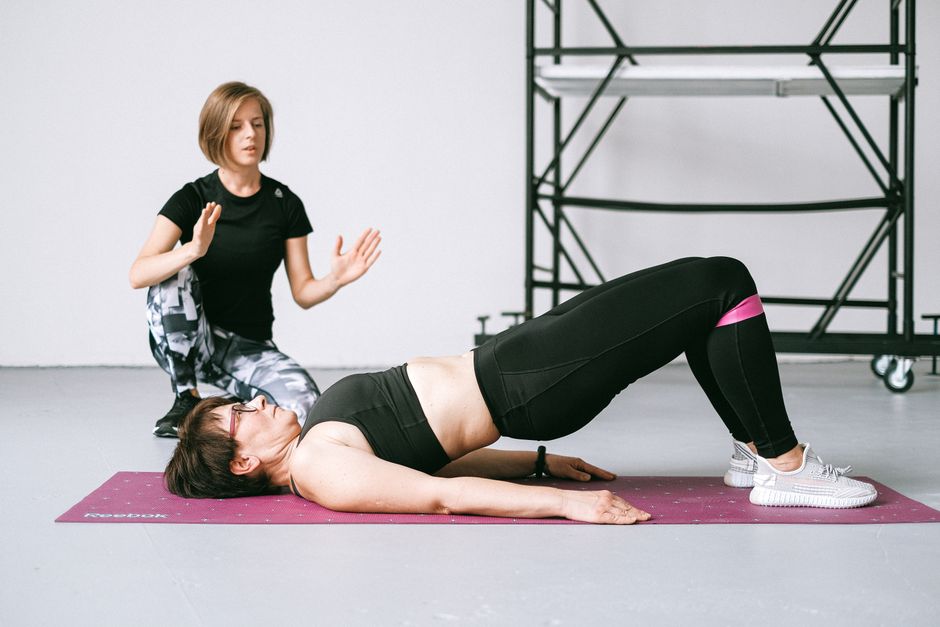
Pelvic organ prolapse (POP) happens when the muscles and tissues supporting the pelvic organs—the bladder, uterus, or rectum—become weak. This causes one or more of these organs to drop from their normal position and press into the vaginal walls. “Pop therapy” is not a single, standardized medical treatment. The term is informal and refers to the range of conservative therapies used to manage pelvic organ prolapse symptoms, most notably pelvic floor muscle training and the use of a vaginal pessary.
These therapies do not cure the underlying anatomical weakness. Instead, they are designed to relieve symptoms, improve function, and help you avoid or delay surgery. The evidence supporting these approaches varies. Pelvic floor exercises have strong clinical support for mild to moderate cases. Pessaries are a well-established mechanical option. However, the term “pop therapy” is not a recognized clinical protocol, so it is important to understand exactly what each component involves before starting any program.
What Is Pelvic Organ Prolapse and Who Gets It?
Pelvic organ prolapse is a common condition, though many women do not report it. The pelvic floor is a hammock-like group of muscles and connective tissue that holds the bladder, uterus, and rectum in place. When this support system weakens, the organs can descend.
The most significant risk factor is vaginal childbirth. The strain of delivery can stretch or tear the pelvic floor muscles and the fascia that supports them. Other contributing factors include aging, chronic constipation, heavy lifting, and conditions that increase abdominal pressure like obesity or a chronic cough. Genetics also play a role in tissue strength.
Symptoms vary widely. Some women have no symptoms at all. Others feel a sensation of heaviness, pulling, or bulging inside the vagina. You might feel like something is “falling out.” Prolapse can also cause urinary leakage, difficulty emptying the bladder or bowel, and discomfort during sex. Symptoms often worsen as the day goes on or after standing for long periods.
Where Did the Term “Pop Therapy” Come From?
The phrase “pop therapy” does not appear in medical textbooks or clinical guidelines. It appears to be a colloquial term that has gained traction online, likely as a shorthand for “pelvic organ prolapse therapy.” You might see it used in patient forums, social media posts, or wellness blogs.
Because it is not a formal medical term, its meaning is inconsistent. For some, it refers strictly to pelvic floor exercises. For others, it includes lifestyle changes, pessary fitting, and biofeedback. This lack of a standard definition is a problem. If you search for “pop therapy” you may find a mix of evidence-based advice and unverified marketing claims. The safest approach is to ignore the label and evaluate each specific treatment on its own merits.
What Does the Evidence Say About Pelvic Floor Muscle Training?
Pelvic floor muscle training (PFMT) is the most studied conservative treatment for prolapse. The goal is to strengthen the levator ani muscles, which are the primary muscles of the pelvic floor. Stronger muscles provide better support for the organs above them.
Research consistently shows that supervised PFMT can improve prolapse symptoms and reduce the sensation of bulge. A structured program typically involves repeated contractions of the pelvic floor muscles, often held for several seconds, performed multiple times per day. The key word here is supervised. Studies that show the strongest benefits involve instruction from a physical therapist, not just a pamphlet or an app.
There is a critical limitation to understand. PFMT works best for mild to moderate prolapse. If the prolapse is severe—meaning the organ has descended to or beyond the vaginal opening—exercises are unlikely to provide meaningful support. In those cases, the muscle can be strengthened, but the anatomical defect may be too advanced for muscle tone to overcome it.
Another important point: PFMT requires correct technique. Many women contract the wrong muscles. They squeeze their buttocks, thighs, or abdomen instead of isolating the pelvic floor. A physical therapist can verify you are doing the exercise correctly, often using biofeedback or internal examination. Doing the exercise incorrectly for months will yield minimal results and can even increase pelvic tension.





How Does a Pessary Work for Prolapse?
A vaginal pessary is a removable device inserted into the vagina to support the prolapsed organ. It is one of the oldest medical devices still in use. Pessaries come in various shapes and sizes, and they are made of medical-grade silicone.
The pessary works by physically holding the organs in place. It is placed by a healthcare provider, who determines the correct size and type for your anatomy. Some pessaries can be inserted and removed by the patient, while others are designed to stay in place for several months at a time and require professional removal and cleaning.
Pessaries are a highly effective option for symptom relief. Studies indicate that a significant proportion of women with symptomatic prolapse can be successfully fitted with a pessary. The main benefits are immediate relief from the bulge sensation and improved bladder and bowel function. It is a reasonable option for women who want to avoid surgery, are not good surgical candidates, or are waiting for surgery.
Pessaries are not without drawbacks. Common side effects include vaginal discharge, odor, and irritation. More serious complications, such as erosion of the vaginal tissue or the device becoming embedded, are rare but possible, especially if the pessary is neglected or not properly fitted. Regular follow-up with a clinician is essential for anyone using a pessary long-term.
Are Lifestyle Changes Part of Pop Therapy?
Yes, lifestyle modifications are often recommended alongside PFMT or pessary use. The logic is straightforward: reducing pressure on the pelvic floor can prevent the prolapse from worsening and improve the effectiveness of other treatments.
Managing constipation is a priority. Chronic straining during bowel movements pushes down on the pelvic floor. Increasing fiber and water intake can soften stool and reduce straining. Avoiding heavy lifting is also commonly advised, though the evidence that lifting causes prolapse to worsen is not definitive. The guidance is practical rather than strictly evidence-based.
Weight management is another factor. Excess body weight, particularly around the abdomen, increases intra-abdominal pressure. This pressure is transmitted down to the pelvic floor. Weight loss is often recommended, but it is important to note that the direct effect of weight loss on prolapse severity is not well established in large trials.
One common myth is that Kegel exercises are a cure-all. Kegels are a type of PFMT, but they are not a standalone fix for prolapse. They are one component of a broader management plan. No exercise can restore torn fascia or reverse the anatomical changes that occur with childbirth and aging.
When Is Surgery Considered for Prolapse?
Surgery is generally considered when conservative therapy fails to control symptoms or when the prolapse is severe. The decision to operate is highly personal and depends on your symptoms, your age, your plans for future childbearing, and your overall health.
Surgical options include native tissue repair, where the woman’s own tissues are reattached and tightened, and mesh-augmented repair, where a synthetic mesh is used for additional support. The use of vaginal mesh has declined significantly due to complications and lawsuits. Many surgeons now prefer native tissue repair.
Surgery is effective for many women, but it is not a guarantee of a permanent fix. Prolapse can recur after surgery. The risk of recurrence varies depending on the type of prolapse and the surgical technique used. Recovery takes several weeks, and you will have restrictions on lifting and strenuous activity during that time.
What Is the First Step You Should Take?
The first step is to get an accurate diagnosis. Pelvic organ prolapse is often underreported because women feel embarrassed or assume the symptoms are a normal part of aging. They are not. A healthcare provider can perform a pelvic exam and determine the type and stage of prolapse.
Once you have a diagnosis, discuss your treatment goals. Do you want to avoid surgery? Are your symptoms mainly related to urinary leakage or a bulge? Your answers will guide the treatment plan. A referral to a pelvic floor physical therapist is often the most beneficial next step, regardless of whether you also choose a pessary.
Be cautious with online advice. The internet is full of “pop therapy” programs, some of which are expensive and unproven. No online program can substitute for a proper clinical assessment. If a product claims to cure prolapse without evidence, it is marketing, not medicine.
Frequently Asked Questions
Can pelvic floor exercises cure pelvic organ prolapse?
No, exercises cannot cure the anatomical weakness that causes prolapse. They can significantly improve symptoms and quality of life, especially in mild to moderate cases, but they do not restore torn or stretched connective tissue.
How long does it take to see results from pelvic floor therapy?
Most supervised programs show measurable improvements after 3 to 6 months of consistent practice. Some women feel a difference sooner, but muscle strengthening takes time and requires correct technique.
Is a pessary painful to wear?
A correctly fitted pessary should not cause pain. You may feel pressure initially, but this usually resolves. If you experience pain, bleeding, or persistent discomfort, you need a re-evaluation because the device may be the wrong size.
Does having a prolapse mean I will need surgery?
No. Many women manage prolapse successfully with conservative care, including pelvic floor therapy and pessary use. Surgery is only necessary if symptoms are severe or do not improve with non-surgical options.
