
Platelet aggregation is the process where platelets in your blood stick together to form a clump. This clump is the first step in forming a blood clot. It is a normal, lifesaving response when you get a cut or injury. The same process, however, can become dangerous when it happens inside an artery and blocks blood flow, causing a heart attack or stroke.
What Is Platelet Aggregation And How Does It Work?
Platelets are tiny, disk-shaped cells in your blood. They do not have a nucleus like other cells. Their job is to patrol your bloodstream looking for damage. When a blood vessel is cut or torn, the tissue underneath is exposed. Platelets detect this and change shape. They grow spiky tentacles that let them grab onto the damaged area and onto each other.
This sticking-together process is aggregation. It happens in two main stages. First, platelets attach to the injury site. Second, they release chemical signals that call more platelets to the area. These signals also make the platelets “stickier.” The growing clump forms a plug that seals the wound. This plug is temporary. It holds things together while a stronger mesh of fibrin protein forms over it to create a stable clot.
What Triggers Platelets To Aggregate?
Several chemicals and proteins trigger platelet aggregation. The most important one is called collagen. Collagen is a structural protein found in the walls of blood vessels. It is normally hidden from your blood. When a vessel is damaged, collagen is exposed, and platelets bind to it immediately.
Platelets also release a chemical called adenosine diphosphate, or ADP. ADP acts like a loudspeaker. It activates nearby platelets that were not yet involved. Another key trigger is thromboxane A2, a molecule platelets produce. Thromboxane A2 causes platelets to change shape and release more signals. This creates a feedback loop that makes the clot grow quickly.
The most powerful trigger is thrombin. Thrombin is an enzyme that does two jobs. It activates platelets strongly and also converts fibrinogen into fibrin. Fibrin is the protein that forms the mesh that stabilizes the clot. Without thrombin, the platelet plug stays weak and can break apart.
What Happens When Platelet Aggregation Goes Wrong?
Platelet aggregation is essential for survival. People with genetic conditions that prevent aggregation bleed excessively. But the same process can cause serious disease when it happens at the wrong time and in the wrong place.
The most common problem is atherosclerosis. This is a condition where fatty deposits called plaque build up inside artery walls. These plaques can rupture. When a plaque breaks open, your body treats it like an injury. Platelets rush to the site and aggregate. This forms a clot inside the artery. If that clot blocks blood flow to the heart muscle, it causes a heart attack. If it blocks blood flow to the brain, it causes a stroke.
This is why many heart medications target platelet aggregation. Drugs like aspirin work by blocking the production of thromboxane A2. This makes platelets less sticky and reduces the chance of dangerous clot formation. Other medications called P2Y12 inhibitors block the ADP receptor on platelets. These drugs are commonly used after stent placement or heart attacks.





How Is Platelet Aggregation Measured?
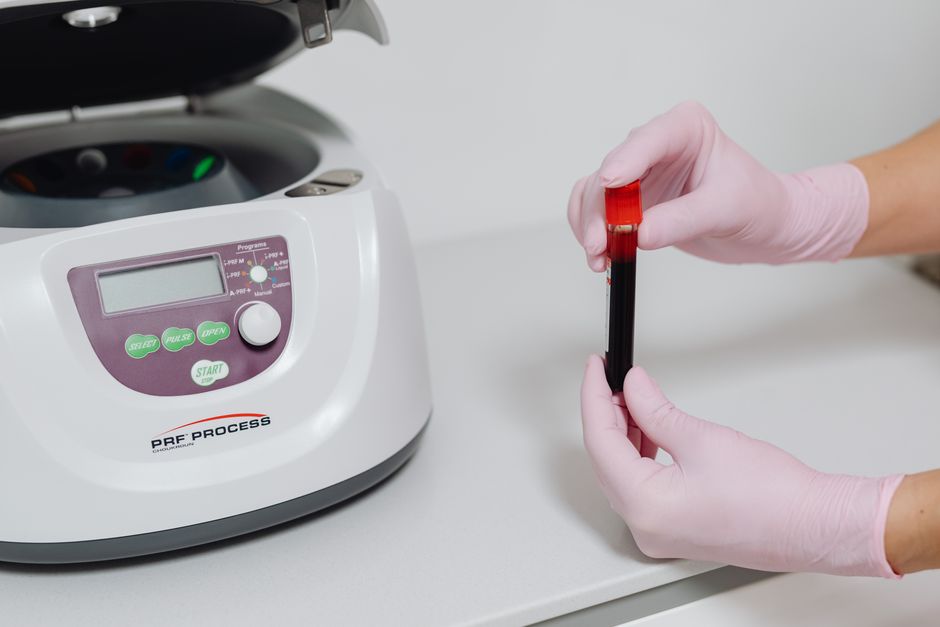
Doctors can measure how well your platelets aggregate using a test called platelet aggregometry. This test uses a machine that adds a triggering chemical to a blood sample and measures how quickly the platelets clump together. It is mostly used in specialized settings, not routine checkups.
A more common test is a complete blood count, which measures your platelet number. A normal platelet count is generally between 150,000 and 450,000 platelets per microliter of blood. This number tells you how many platelets you have, but not how well they work. A person can have a normal count but abnormal aggregation, or a low count with perfectly functioning platelets.
Another test called platelet function analysis measures how long it takes for platelets to plug a small hole in a membrane. This test is sometimes used before surgery to check for bleeding risk. It is also used to see if antiplatelet medications are working effectively. These tests are not perfect. They do not always predict who will have a bleeding problem or a clotting problem in real life.
What Lifestyle Factors Affect Platelet Aggregation?
Several everyday factors influence how sticky your platelets are. Smoking is one of the strongest. Chemicals in cigarette smoke make platelets more reactive. This is one reason smoking is such a strong risk factor for heart attacks. The effect is rapid and improves when a person quits.
Diet also plays a role. Omega-3 fatty acids found in fish oil can make platelets slightly less sticky. Some research suggests this effect is modest. Alcohol in small amounts may also reduce platelet stickiness, but heavy drinking has the opposite effect and increases bleeding risk. The evidence on alcohol is mixed, and no one should start drinking for heart health.
Exercise affects platelet function in complex ways. Regular moderate exercise appears to make platelets less reactive over time. Intense exercise, however, can temporarily make them more reactive. This temporary increase is not usually a problem for healthy people. For people with existing heart disease, sudden intense exertion can rarely trigger a heart attack, and platelet activation is part of the reason.
Stress and poor sleep are also linked to increased platelet reactivity. The exact mechanism is not fully understood, but stress hormones like adrenaline can activate platelets directly. Managing stress and getting adequate sleep are reasonable steps for heart health, though the direct effect on platelet aggregation is difficult to measure in daily life.
What Are The Common Medications That Affect Platelet Aggregation?
Several classes of medication target platelet aggregation. Each works at a different step in the process.
- Aspirin blocks the enzyme COX-1, which stops thromboxane A2 production. It is the most widely used antiplatelet drug.
- P2Y12 inhibitors like clopidogrel and ticagrelor block the ADP receptor on platelets.
- GP IIb/IIIa inhibitors like abciximab block the final step of aggregation where platelets bind together with fibrinogen. These are given intravenously in hospital settings.
- NSAIDs like ibuprofen also block COX-1, but their effect is weaker and shorter than aspirin.
Aspirin is the only one of these available without a prescription. Daily low-dose aspirin is recommended for some people with known heart disease. It is no longer routinely recommended for everyone over a certain age because the bleeding risk can outweigh the benefit. The decision to take daily aspirin should be made with a doctor based on your individual risk factors.
Can You Naturally Reduce Platelet Aggregation?
Some foods and supplements are marketed as natural blood thinners. Garlic, ginger, turmeric, and ginkgo biloba have all been studied for antiplatelet effects. The evidence is real but weak. These foods may have mild effects on platelet function in laboratory tests, but no study has shown they prevent heart attacks or strokes in humans.
Some research suggests that specific compounds in these foods, like allicin in garlic and curcumin in turmeric, can reduce platelet stickiness. The problem is that the amounts needed to see a significant effect are often much larger than what a person would consume in a normal diet. Supplements are not regulated like medications, and their actual content varies widely between brands.
There is a real risk with natural antiplatelet supplements. If you take them along with prescription blood thinners, you can increase your bleeding risk significantly. Some people have experienced serious bleeding complications from combining these supplements with anticoagulant medications. Always tell your doctor about any supplements you take, especially before surgery or dental procedures.
The safest approach is to focus on overall heart health. A diet rich in fruits, vegetables, whole grains, and fish supports normal platelet function. Regular exercise, not smoking, and managing blood pressure and cholesterol are proven strategies. These lifestyle factors affect your cardiovascular risk through many pathways, not just platelet aggregation.
Frequently Asked Questions
What is the difference between platelet aggregation and blood clotting?
Platelet aggregation is the first step where platelets stick together to form a plug. Blood clotting is the full process that includes this plug plus a fibrin mesh that makes the clot stable and strong.
How long does platelet aggregation take?
Platelets begin aggregating within seconds of a blood vessel injury. A stable plug forms within a few minutes, and the full clot develops over the next several minutes to hours.
Can aspirin reverse existing platelet aggregation?
No. Aspirin prevents new platelet aggregation by blocking thromboxane A2 production, but it cannot break up a clot that has already formed. Clot-busting drugs called thrombolytics are used in emergency situations to dissolve existing clots.
What causes high platelet aggregation?
Smoking, diabetes, high cholesterol, and chronic inflammation can all make platelets more reactive. Some genetic conditions also cause platelets to aggregate more easily than normal.
