
Feeling too high after using cannabis is uncomfortable and can make anyone anxious. The most effective way to get unhigh fast is to focus on calming your nervous system, distracting your brain, and letting time do its work. Research shows that blood THC levels drop by about 50% in the first hour, but the mental effects can linger for hours depending on dose and tolerance. No method instantly reverses intoxication, but several evidence-backed strategies can reduce anxiety, improve focus, and help you feel more in control within 15 to 30 minutes.
What causes the feeling of being too high?
Being too high happens when more THC binds to CB1 receptors in your brain than your system can handle comfortably. This overstimulation triggers the body’s stress response, which is why anxiety, rapid heartbeat, and paranoia are common symptoms. The intensity depends on how much you consumed, your metabolism, and whether you ate it or inhaled it.
Edibles are especially tricky because the liver converts THC into a more potent form called 11-hydroxy-THC. This compound crosses the blood-brain barrier more easily and produces a longer, stronger high that can last 6 to 8 hours. Inhaled cannabis peaks faster but typically resolves within 2 to 4 hours. Understanding this difference matters because the same strategies do not work equally well for both routes.
Individual factors also play a role. People with lower body fat may process THC faster, while those with slower metabolisms or who have not eaten recently may feel effects longer. Anxiety sensitivity — how much you focus on and fear physical sensations — can make a moderate high feel unbearable even when the actual dose is low.
How To Get Unhigh Fast Tips That Actually Work? Key Facts
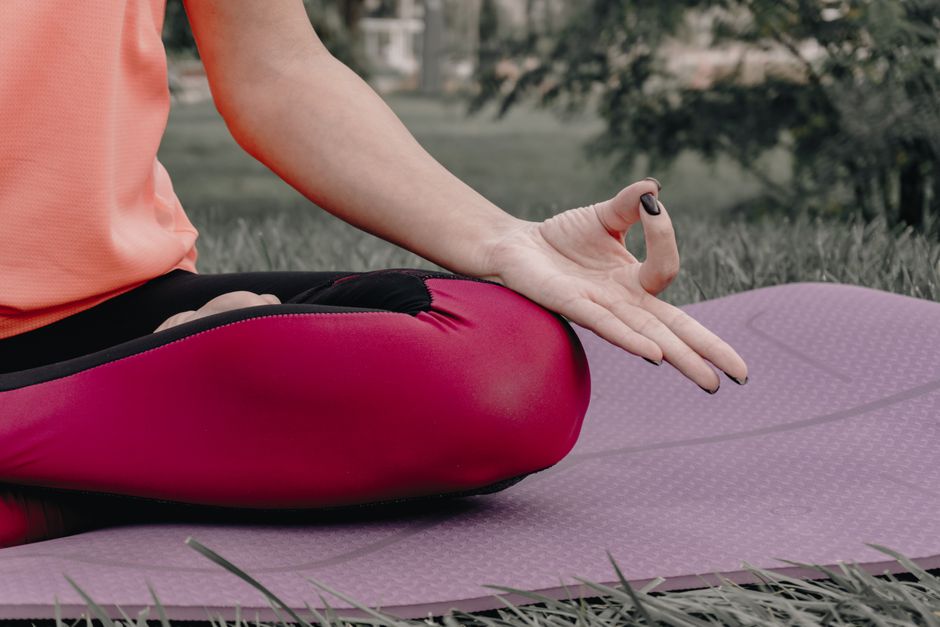
The most reliable approach combines three actions: calming your nervous system, distracting your brain, and using specific compounds that counteract THC. Start with the simplest intervention first because it works for most people. Breathe slowly for 2 minutes — inhale for 4 seconds, hold for 4 seconds, exhale for 6 seconds. This activates the vagus nerve and lowers heart rate within minutes.
Black pepper contains beta-caryophyllene, a terpene that binds to CB2 receptors and can reduce anxiety without blocking the high entirely. Smelling freshly ground black pepper or chewing a few peppercorns is a common trick reported in user surveys. While controlled studies are limited, the mechanism is biologically plausible and the risk is zero.
Lemon terpenes like limonene found in lemon peel or lemon essential oil may also help. Some users report that smelling or eating lemon reduces paranoia. The evidence here is weaker — mostly anecdotal — but again harmless to try. Cold water on your face or wrists activates the mammalian dive reflex and can slow your heart rate within seconds. This is a real physiological response, not a placebo.
Does drinking water or eating food help?
Drinking water does not flush THC out of your system, but it helps with dry mouth and can reduce the physical discomfort that makes anxiety worse. Dehydration amplifies the racing heart sensation many people experience when too high. Water alone will not lower your blood THC level, but it makes the experience more tolerable.
Eating something with fat or sugar can help in different ways. Fatty foods like nuts or avocado may slow further absorption if you still have undigested cannabis in your stomach, which mainly matters for edibles. Sugar can raise blood glucose and sometimes improve the woozy, lightheaded feeling. A 2019 study in Drug and Alcohol Dependence found that glucose temporarily reduced subjective intoxication ratings in some participants, though the effect was modest and inconsistent.
Eating a full meal when already too high can actually make things worse if it slows digestion and prolongs absorption of any remaining THC in your gut. If you consumed an edible within the last hour, avoid large meals. If you inhaled and feel nauseous, a small snack is fine.




What about CBD to counteract THC?
CBD is widely claimed to reduce the effects of THC, but the evidence is more complicated than most articles admit. Some studies suggest CBD can blunt the anxiety and paranoia caused by high doses of THC. A 2018 review in Frontiers in Pharmacology found that CBD may counteract some of THC’s psychoactive effects by acting as a negative allosteric modulator at CB1 receptors.
The catch is that CBD only works this way when taken at the right dose and timing. Taking CBD after you are already too high may not help much because THC has already bound to receptors. Taking CBD before or alongside THC appears more effective for preventing the negative effects in the first place.
If you have CBD oil or gummies on hand, taking a moderate dose — 25 to 50 mg — is worth trying and will not cause harm. But do not expect instant relief. The onset of CBD taken orally takes 30 to 60 minutes. Vaping CBD works faster, within 5 to 10 minutes, but few people have CBD vape cartridges available in an emergency.
What strategies should you avoid?
Caffeine makes things worse. Coffee, energy drinks, and even strong tea increase heart rate and anxiety, which are exactly the symptoms you are trying to calm. A 2020 study in Journal of Psychopharmacology found that caffeine combined with THC increased subjective anxiety ratings compared to THC alone. Skip the espresso.
Alcohol can intensify the high and increase nausea, dizziness, and confusion. Mixing depressants and cannabinoids unpredictably affects heart rate and blood pressure. Do not drink alcohol to “come down.” It will not help and may land you in more discomfort.
Cold showers are a common internet suggestion but can actually spike adrenaline and heart rate from the shock. Splashing cold water on your face or wrists is fine. Full cold immersion is not. Similarly, vigorous exercise might seem like a way to burn off the high, but it raises heart rate and blood pressure when your body is already overstimulated. Light walking is okay. Running is not.
Comparison of common methods
| Method | Onset | Effectiveness | Risk |
|---|---|---|---|
| Slow breathing (4-4-6) | 1-2 minutes | High for anxiety | None |
| Black pepper (smell or chew) | 1-3 minutes | Moderate, anecdotal | None |
| Cold water on face | 10-30 seconds | High for heart rate | None |
| CBD oil (oral) | 30-60 minutes | Low if taken after | None |
| Eating sugar | 10-15 minutes | Low to moderate | None |
| Caffeine | 5-10 minutes | Makes it worse | Increases anxiety |
| Cold shower | Immediate | Makes it worse | Spikes adrenaline |
When should you seek medical help?
Most cases of being too high are uncomfortable but not dangerous. However, some situations require medical attention. If the person is confused, vomiting repeatedly, has a heart rate over 140 beats per minute at rest, or cannot be woken up, call poison control or go to an emergency room. Severe reactions are rare but real, especially in children who accidentally ingest edibles or in adults with preexisting heart conditions.
The American Association of Poison Control Centers reported over 8,000 single-substance cannabis exposures in 2021, with about 20% involving children under 5. Symptoms in children can include drowsiness, difficulty breathing, and unsteady walking. In adults, the main risk is panic attacks that mimic heart attacks. If chest pain is accompanied by shortness of breath or pain radiating down the arm, treat it as a medical emergency regardless of whether you think it is cannabis-related.
Most emergency rooms see cannabis-related visits regularly and will not call the police. You can be honest with medical staff about what was consumed and how much. They need this information to rule out other causes and provide appropriate care, which usually involves monitoring, fluids, and sometimes anti-anxiety medication.
Common misconceptions about getting unhigh
One persistent myth is that ibuprofen or aspirin can block the high. There is no clinical evidence that NSAIDs reduce THC intoxication. A 2013 study in Psychopharmacology tested ibuprofen with THC and found no effect on subjective high ratings. Taking pain relievers for headache or body tension is fine, but do not expect them to lower the high.
Another misconception is that sleeping it off is the only option. Sleep is certainly effective because you are not aware of the high while unconscious, but it is not the fastest solution. Many people cannot sleep when their heart is racing and mind is spinning. The strategies above — breathing, pepper, cold water — can calm you enough to rest, but forcing sleep when overstimulated often backfires and increases frustration.
Some people believe that vomiting will eliminate the THC and end the high. This is false for inhaled cannabis and only partially true for edibles. If you consumed an edible within the last 30 minutes, vomiting may remove some undigested cannabis from your stomach, but THC already absorbed into your bloodstream will continue to produce effects. Vomiting after the first hour does nothing to reduce the high and adds dehydration to your problems.
Frequently Asked Questions
How long does it take to get unhigh naturally?
For inhaled cannabis, the peak high usually fades within 2 to 4 hours, and most people feel normal within 6 hours. For edibles, effects can last 6 to 8 hours or longer.
Does eating black pepper actually work to reduce a high?
Many users report that smelling or chewing black pepper reduces anxiety during a high. The beta-caryophyllene in pepper binds to CB2 receptors and may calm the nervous system, though clinical studies are limited.
Can CBD reverse a THC high?
CBD may blunt some psychoactive effects of THC, but it works best when taken before or alongside THC, not after. Taking CBD after you are already too high provides limited relief.
Is it dangerous to go to the emergency room for being too high?
No, it is not dangerous, and medical staff will not call the police. If you have chest pain, confusion, or a heart rate over 140 at rest, seek help immediately.
