
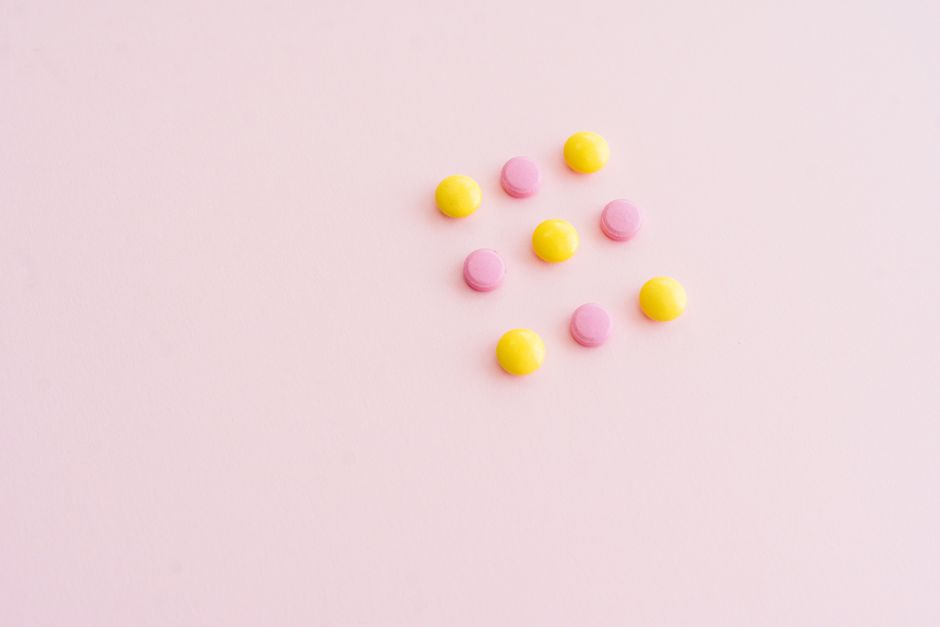
The placebo effect is a real, measurable change in a person’s health that happens after they receive a treatment with no known active ingredient, like a sugar pill or a sham procedure. It is not a trick of the mind or a sign that symptoms are imaginary. Instead, it is a complex biological and psychological response where a person’s expectations, beliefs, and the context of care directly influence their brain and body. This response can ease pain, reduce anxiety, and even change how the body processes certain conditions.
How Does the Placebo Effect Actually Work?
The placebo effect is not one single process. It involves several interconnected systems in the brain and nervous system. When a person believes a treatment will work, the brain can release its own natural pain-relieving chemicals, such as endorphins and dopamine.
Research using brain imaging shows that placebos can activate specific regions of the brain. These regions are the same ones involved in pain perception, stress response, and reward. For example, the anticipation of relief can trigger the release of endogenous opioids. These are the body’s own morphine-like substances that block pain signals.
Another key part is conditioning. If you have taken a medication before and it worked, your body learns to associate the act of taking a pill with relief. Even if the new pill is a placebo, your body may begin to mount the same response. This is similar to Pavlov’s dogs salivating at the sound of a bell because they learned to associate it with food.
Expectation also plays a major role. The simple act of being cared for, receiving a diagnosis, and having a treatment plan can lower stress hormones like cortisol. Lower stress often means fewer symptoms, even if the treatment itself is inactive.
What Is the Nocebo Effect?
The nocebo effect is the flip side of the placebo effect. It is when a negative expectation causes a real worsening of symptoms. If you believe a treatment will cause side effects, you are more likely to experience them, even if the treatment is inactive.
This is common in clinical trials. People who receive a placebo often report the same side effects as those taking the real drug, such as nausea, headache, or fatigue. They expect these problems because they read the list of potential side effects provided to them.
The nocebo effect is not just about feeling bad. It is a genuine physiological response. Negative expectations can activate the body’s stress response, leading to real physical changes like increased heart rate and muscle tension.
What Conditions Does the Placebo Effect Influence?
The placebo effect is not universal. It does not shrink tumors or cure infections. You cannot placebo your way out of a bacterial pneumonia or a broken bone. However, it has a strong influence on conditions where the brain and nervous system are heavily involved.
The most robust evidence for the placebo effect is in pain management. Studies consistently show that placebos can reduce pain perception significantly. This is true for acute pain, chronic pain, and even pain following surgery.
Placebos also affect conditions related to stress and mood. These include anxiety, depression, and insomnia. People may feel better, sleep better, and report lower stress levels after receiving a placebo, largely because they believe they are receiving an effective treatment.
Other areas where the placebo effect is documented include:
- Irritable bowel syndrome (IBS)
- Nausea and motion sickness
- Fatigue
- Mild to moderate allergic reactions
- Parkinson’s disease (where placebos can trigger dopamine release)
In these cases, the placebo does not change the underlying pathology of the disease. It changes the brain’s processing of symptoms, which in turn alters how the person feels.


Are Placebos Used in Real Medical Care?
The use of placebos in clinical practice is more nuanced than just giving sugar pills. In most cases, prescribing a pure placebo without telling the patient is considered unethical. It involves deception, which breaks trust in the doctor-patient relationship.
However, the concept of an “open-label placebo” is being studied. In this approach, a doctor honestly tells the patient they are receiving a placebo that has no active ingredient. The doctor explains that the placebo effect can still be powerful. Some research suggests that open-label placebos can still produce meaningful symptom relief, particularly for conditions like chronic back pain and IBS.
This is an emerging area of study. The evidence is not yet strong enough to make open-label placebos a standard clinical recommendation. But it shows that the ritual of taking medicine and the quality of the patient-doctor interaction matter.
In clinical research, placebos are essential. They are the standard against which new drugs are measured. A new medication must prove it works better than a placebo to gain approval from regulators like the FDA. This process protects the public from ineffective treatments that only work because of belief.
Why Does the Placebo Effect Keep Getting Stronger?
Several factors can increase the strength of the placebo response. Understanding these helps explain why some people experience a strong effect while others feel nothing at all.
Expectation is the most powerful driver. If you are told a treatment is a powerful painkiller, you will experience more relief than if you are told nothing at all. The more confident you are in the treatment, the stronger the response tends to be.
The ritual of care matters. Taking a large pill works better than a small one. An injection works better than a pill. A procedure performed by a confident doctor works better than one performed by a hesitant one. These factors are not about the drug itself; they are about the meaning and context of the treatment.
Genetics and personality may also play a role. Some research suggests that certain people have a genetic predisposition to respond more strongly to placebos. However, this field is still young, and no reliable test exists to predict who will respond.
Importantly, the placebo effect is not a measure of weakness. People who respond to placebos are not gullible or easily fooled. They are simply having a normal biological response to the expectation of relief.
Does the Placebo Effect Work Even If You Know It Is a Placebo?
Evidence suggests that yes, it can still work even when you know the treatment is inactive. Studies on open-label placebos have shown that people with chronic conditions like irritable bowel syndrome and chronic back pain can experience symptom improvement.
Researchers believe this happens because the act of taking a placebo still triggers the brain’s reward and pain-relief systems. The patient knows the pill has no active ingredient, but they also know from the doctor that their body may still respond. This creates a positive expectation that can drive real physiological changes.
This area of research is promising but not conclusive. The number of large, high-quality trials is still limited. More research is needed to understand how long the effect lasts and which patients are most likely to benefit.
When Does the Placebo Effect Not Work?
It is critical to understand the limits of the placebo effect. It does not cure diseases. It does not kill bacteria, viruses, or cancer cells. It does not lower blood pressure in a way that replaces medication. It does not heal broken bones or repair damaged tissue.
For serious conditions like advanced cancer, heart disease, or severe infections, relying on a placebo is dangerous. Delaying proven medical treatment can lead to disease progression and worse outcomes.
Even in conditions where the placebo effect is strong, it is rarely a complete cure. It typically reduces symptom intensity rather than eliminating the condition entirely. For this reason, placebos are not recommended as a standalone treatment for any serious medical condition.
Frequently Asked Questions
Can the placebo effect cause real physical changes in the body?
Yes, the placebo effect can trigger real physical changes, such as the release of endorphins and dopamine in the brain. These changes can reduce pain and alter stress responses, but they do not change the underlying disease process itself.
Is the placebo effect the same as faking a recovery?
No, the placebo effect is a genuine biological and psychological response, not a fake recovery. The brain and nervous system actively process expectations and produce measurable changes in how symptoms are experienced.
Why do some people experience the placebo effect more than others?
The strength of the response varies based on a person’s expectations, the context of the treatment, and possibly genetics. A person who strongly believes a treatment will help is generally more likely to experience a placebo response than someone who is skeptical.
Are doctors allowed to prescribe placebos to patients?
Prescribing a pure placebo without telling the patient is widely considered unethical because it involves deception. However, open-label placebos, where the patient knows the treatment is inactive, are being studied as an honest alternative in specific clinical situations.
