
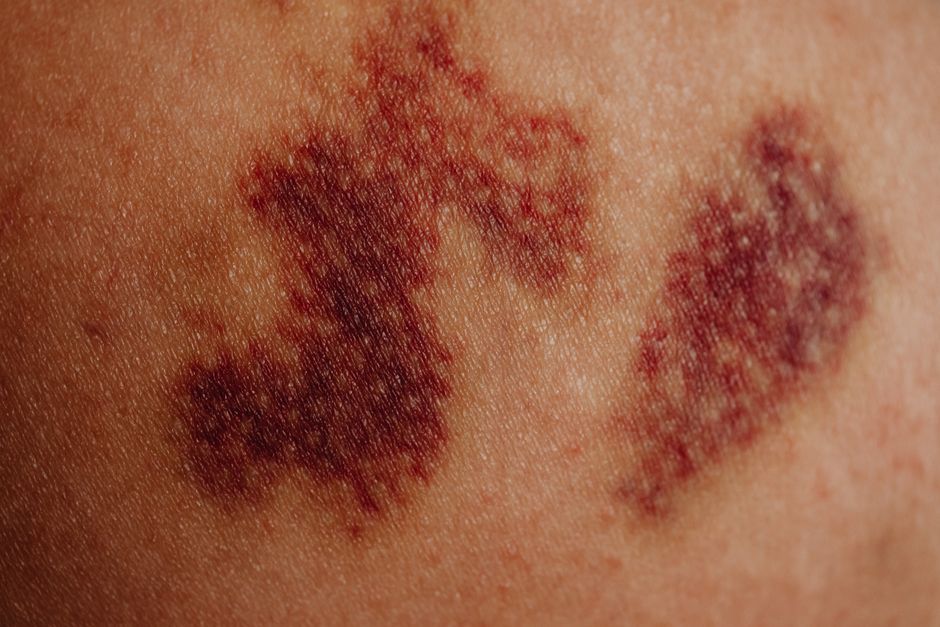
Squamous cells are flat, scale-like cells that line the surfaces of your skin, mouth, throat, lungs, and several other organs. They form the outer protective layer of tissue wherever your body meets the outside world. When doctors talk about “squamous cell,” they usually mean either these normal cells or a cancer that starts in them — most often squamous cell carcinoma.
That name can sound alarming. But squamous cells are a normal, essential part of human anatomy, and not every abnormal change in them becomes cancer. Understanding what these cells do, where they are found, and how problems in them are detected helps make sense of a term you may see on a pathology report.
What Is Squamous Cell?
A squamous cell is a type of epithelial cell — one of the cells that forms the thin sheets of tissue covering and lining your body. The word comes from “squama,” Latin for scale. Under a microscope, these cells look flattened, like tiles pressed together.
Your body builds squamous cells in the outer layer of the skin (the epidermis) and in the moist linings of the mouth, esophagus, throat, airways, cervix, and anus. Their job is mostly barrier and protection. They form a layered wall that keeps water in, keeps irritants out, and shields the tissue underneath.
These cells are constantly replaced. The ones on your skin surface are essentially dead and get shed, while new ones form at the base of the layer and push upward. That constant turnover is normal and healthy. It also means the cells divide often, which is why this type of tissue can develop cancer more readily than tissues that divide slowly.
Where Are Squamous Cells Found in the Body?
Squamous cells line more of your body than most people realize. They appear anywhere the body needs a tough, protective surface.
- Skin — the outermost layer is made largely of squamous cells.
- Mouth and throat — including the tongue, gums, and back of the throat.
- Esophagus — the tube connecting your throat to your stomach.
- Lungs — the airways (bronchi) are lined with squamous and other epithelial cells.
- Cervix — the lower part of the uterus.
- Anus — the final part of the digestive tract.
Because these cells sit at the body’s borders, they are exposed to things like sunlight, tobacco smoke, alcohol, and certain viruses. That exposure is part of why cancers arising from squamous cells tend to appear in these locations.
What Is Squamous Cell Carcinoma?
Squamous cell carcinoma (often shortened to SCC) is a cancer that begins in squamous cells. It is one of the most common forms of skin cancer, and it also occurs in the mouth, lungs, esophagus, cervix, and other organs lined by these cells.
When a squamous cell becomes cancerous, it starts dividing out of control and can invade nearby tissue. On the skin, SCC often appears as a rough, scaly patch, a firm red bump, or a sore that does not heal. In the mouth or throat, it may show up as a persistent sore, a lump, or trouble swallowing. Symptoms depend heavily on where the cancer starts, so there is no single set of signs.
It is worth separating two ideas that often get blurred together. A squamous cell is a normal cell type. Squamous cell carcinoma is a specific cancer. Having squamous cells in a tissue sample is completely normal and expected. Having carcinoma in that sample means cancer is present.
What Causes Problems in Squamous Cells?
Cancer develops when something damages the DNA inside a cell and the cell’s normal repair and safety systems fail to correct it. For squamous cells, several well-established factors raise that risk.
Ultraviolet (UV) radiation from the sun and tanning beds is the leading cause of skin squamous cell carcinoma. UV light damages DNA in skin cells directly.
Tobacco and alcohol are major risk factors for squamous cell cancers of the mouth, throat, esophagus, and lungs. Tobacco smoke contains many chemicals that damage DNA in the cells it touches.
Certain infections are linked to specific squamous cell cancers. Persistent infection with high-risk types of human papillomavirus (HPV) is a well-established cause of cervical cancer and is strongly linked to some cancers of the mouth, throat, and anus.
Chronic irritation or inflammation — such as long-standing skin wounds, scars, or inflammatory conditions — is associated with a higher risk of skin SCC in the affected area. The evidence here is generally consistent but the effect is smaller than that of UV exposure.
These factors raise risk. They do not guarantee cancer will develop, and many people with these exposures never develop it.
How Is Squamous Cell Carcinoma Diagnosed?
Diagnosis almost always requires a tissue sample. A doctor cannot confirm SCC by looking alone, because several skin and tissue conditions can look similar.
For a skin concern, the usual step is a biopsy — removing a small piece of tissue and examining it under a microscope. A pathologist looks at the cells’ shape, how organized they are, and whether they have invaded deeper layers. This is the only way to confirm the diagnosis.
For suspected cancers inside the body, doctors may use imaging such as CT scans or endoscopy to see the area, then take a biopsy to confirm what it is. Blood tests and imaging can show how far a cancer may have spread, but they do not diagnose SCC on their own.
If you notice a skin sore that bleeds, crusts, or fails to heal, or a persistent lump or sore in your mouth or throat, getting it checked is reasonable. Most such spots are not cancer, but the ones that are tend to be easier to treat when found early.
How Is Squamous Cell Carcinoma Treated?
Treatment depends on where the cancer is, how deep it goes, and whether it has spread. There is no single approach, and the choice is made case by case with a specialist.
For skin SCC that is caught early and has not spread, the most common treatment is surgical removal of the cancer and a margin of normal tissue around it. Some superficial skin cancers are treated with freezing (cryotherapy), topical medications, or radiation. These approaches are widely used, though the best choice depends on the specific tumor and its location.
For cancers inside the body, treatment may involve surgery, radiation therapy, chemotherapy, or newer targeted and immune-based therapies. Which combination is used, and in what order, varies by cancer type and stage.
This is an area where the details matter a great deal and change over time. A person facing an SCC diagnosis should get information specific to their case from their own care team rather than general descriptions. Outcomes vary widely — early, localized skin SCC is often curable with surgery, while cancers that have spread are harder to treat. That range is real and worth being honest about.
Can Squamous Cell Carcinoma Be Prevented?
Some risk factors for squamous cell cancer can be reduced. Others cannot.
For skin SCC, limiting UV exposure is the most established step. That means using sunscreen, seeking shade during peak sun hours, wearing protective clothing, and avoiding tanning beds. These measures reduce UV damage, which is the main driver of skin squamous cell cancer.
For squamous cell cancers of the mouth, throat, and lungs, avoiding tobacco and limiting alcohol reduce risk. The HPV vaccine is effective at preventing infection with the HPV types most strongly linked to cervical and some other cancers; guidance on who should receive it and at what age is set by public health authorities and has been updated over time, so it is best confirmed with a clinician or current official sources.
No prevention step removes risk entirely. These measures lower it. Regular skin checks and, where recommended, cancer screening can help find problems earlier, when treatment tends to work better.
How Does Squamous Cell Cancer Differ From Other Skin Cancers?
The three most common skin cancers are basal cell carcinoma, squamous cell carcinoma, and melanoma. They start in different cell types and behave differently.
| Type | Starts in | General behavior |
|---|---|---|
| Basal cell carcinoma | Basal cells (base of epidermis) | Most common; grows slowly; rarely spreads |
| Squamous cell carcinoma | Squamous cells | More likely than basal cell to spread if untreated |
| Melanoma | Melanocytes (pigment cells) | Less common; more likely to spread |
This table describes general patterns, not the outcome for any one person. Individual cancers vary, and a doctor’s assessment of a specific tumor is what matters.
What Should You Do If You Notice a Change?
Get it looked at. That is the plainest advice here, and it holds for a skin spot that changes, a sore that will not heal, or a lump or persistent discomfort in the mouth or throat.
Most such changes are not cancer. But when they are, early detection generally means simpler treatment and better outcomes. A clinician can examine the area and decide whether a biopsy is needed. Self-diagnosis, whether by reassurance or by worry, is not reliable for this.
Frequently Asked Questions
What is a squamous cell in simple terms?
A squamous cell is a flat, scale-like cell that forms the protective lining of your skin, mouth, throat, lungs, and other organs. These cells are normal and essential — they act as a barrier between your body and the outside environment.
Is squamous cell carcinoma serious?
It can be. Skin squamous cell carcinoma found early is often curable with surgery, but cancers that have spread are harder to treat, so early detection matters.
What does squamous cell carcinoma look like on the skin?
It often appears as a rough, scaly patch, a firm red bump, or a sore that bleeds, crusts, or fails to heal. Because other skin conditions can look similar, only a biopsy can confirm it.
Can squamous cell carcinoma be prevented?
Risk can be reduced by limiting UV exposure, avoiding tobacco, and limiting alcohol, though no step removes risk entirely. The HPV vaccine prevents infection with HPV types linked to several squamous cell cancers.
