
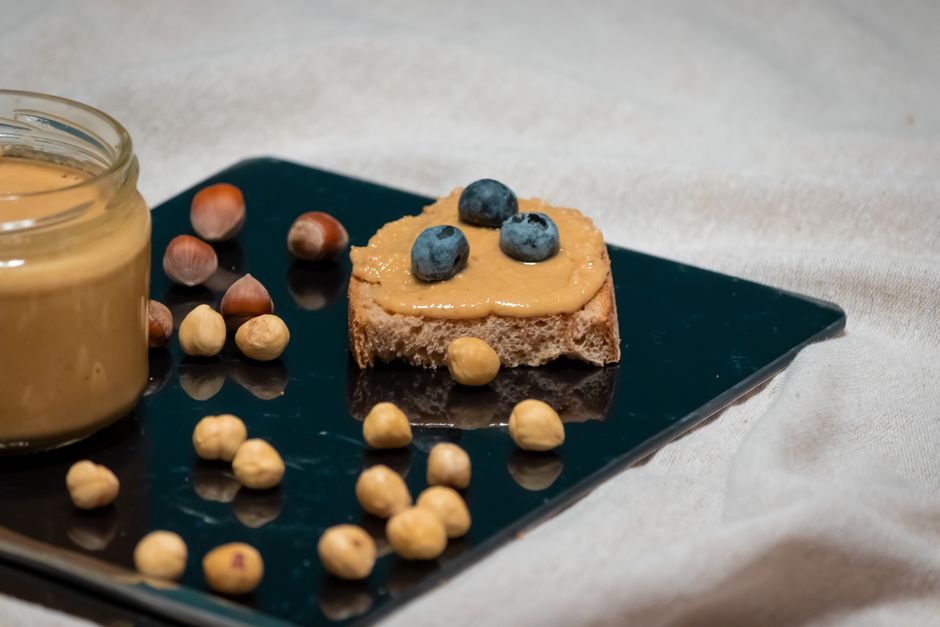
Peanut butter does not directly increase sperm count or quality, but the nutrients it contains may support overall male reproductive health when eaten as part of a balanced diet. No single food has been proven to boost sperm count on its own. The evidence points to overall dietary patterns mattering more than any one specific food.
What Does the Research Actually Say About Peanut Butter and Sperm?
No large clinical trial has tested whether eating peanut butter specifically improves sperm count or quality. That is the honest starting point. What researchers have studied is the Mediterranean diet and similar eating patterns that include nuts, legumes, and peanut butter.
Some studies suggest that men who eat diets rich in nuts, fruits, vegetables, and whole grains tend to have better sperm parameters than men who eat heavily processed diets. Peanut butter fits into that pattern because it is a legume-based food with a nutrient profile that overlaps with tree nuts.
But here is the key distinction: association is not the same as causation. Men who eat peanut butter may also eat other healthy foods, exercise more, or avoid smoking. Any of those factors could explain the difference. The research does not isolate peanut butter as the cause of better sperm health.
What Nutrients in Peanut Butter Matter for Male Fertility?
Peanut butter contains several nutrients that play roles in sperm production and function. These nutrients are well established in reproductive physiology, even if the specific link to peanut butter is not.
- Vitamin E — an antioxidant that helps protect sperm cells from oxidative damage
- Zinc — a mineral involved in sperm formation and testosterone production
- Selenium — supports sperm motility and structure
- Folate — contributes to DNA synthesis in sperm cells
- Monounsaturated fats — the primary fat type in peanut butter
- Arginine — an amino acid found in peanut protein
These nutrients matter because sperm cells are vulnerable to oxidative stress. Sperm have high metabolic activity and limited antioxidant defenses. Dietary antioxidants may help protect them. That is biologically plausible and supported by general research on antioxidants and sperm health.
What the research does not show is that peanut butter delivers these nutrients in quantities large enough to change sperm parameters on its own. The amounts of zinc and selenium in a serving of peanut butter are modest compared to dedicated sources like oysters or Brazil nuts.
Does Peanut Butter Affect Testosterone Levels?
Some online claims suggest peanut butter boosts testosterone, which would indirectly support sperm production. The evidence for this is weak.
Testosterone production requires adequate dietary fat, and peanut butter provides fat. But it does not provide anything that directly stimulates testosterone synthesis. Men who eat too little fat overall may have lower testosterone, and adding peanut butter could help normalize that. For men already eating adequate fat, peanut butter adds nothing special.
One concern runs in the opposite direction. Some peanut butter products contain added sugars and hydrogenated oils. High sugar intake is associated with poorer metabolic health, and metabolic conditions like obesity and insulin resistance are linked to lower testosterone. A heavily sweetened peanut butter could work against fertility goals, not support them.
Natural peanut butter with no added sugar is the better choice if the goal is reproductive health. The difference matters more than the peanut butter itself.





Is There Any Evidence That Peanuts Specifically Help Sperm?
Research published in peer-reviewed journals has looked at mixed nuts and sperm health. Some studies found improvements in sperm count and motility among men who added nuts to their diets. Those studies used tree nuts like walnuts, almonds, and hazelnuts — not peanuts.
Peanuts are technically legumes, not tree nuts. They share some nutritional qualities with tree nuts, including healthy fats and antioxidants, but they are not identical. The nut studies do not directly apply to peanut butter.
One study did look at peanuts specifically in relation to fertility outcomes. The findings were limited and did not establish a clear cause-and-effect relationship. No follow-up trial has confirmed those results.
Some research suggests that aflatoxins — compounds produced by certain molds that can contaminate peanuts — may have negative effects on male fertility in animal studies. Commercial peanut butter in the United States is regulated and tested for aflatoxin levels. The amounts allowed are considered safe for human consumption. This is not a reason to avoid peanut butter, but it is a reason to buy from reputable brands.
What Foods Have Stronger Evidence for Sperm Health?
If the goal is improving sperm count or quality, the evidence points to overall dietary patterns rather than single foods. The Mediterranean diet has the most consistent research support.
Foods with more direct evidence include:
- Walnuts — studied specifically for sperm motility and morphology improvements
- Fish — omega-3 fatty acids support sperm membrane structure
- Oysters and shellfish — high in zinc, which is directly involved in sperm production
- Leafy greens — provide folate and antioxidants
- Berries and citrus — vitamin C protects sperm from oxidative damage
- Dark chocolate — contains L-arginine and flavonoids
These foods appear in fertility research more often than peanut butter does. But the same caveat applies: no single food is a fertility solution. The pattern of eating matters more than any individual item.
How Much Peanut Butter Is Reasonable to Eat?
There is no clinical guideline for peanut butter consumption related to fertility. No official recommendation exists because no study has established a dose-response relationship between peanut butter and sperm health.
General dietary guidance suggests that nuts and legumes can be part of a healthy diet in moderate portions. A standard serving of peanut butter is about two tablespoons. That provides roughly 190 calories and 16 grams of fat.
Eating more than that does not confer additional fertility benefits. Excess calories can lead to weight gain, and obesity is associated with lower sperm count and quality. More peanut butter is not better.
For men with a peanut allergy, there is no reason to introduce peanut butter for fertility purposes. The nutrient benefits can be obtained from other foods without allergy risk.
What Lifestyle Factors Matter More Than Peanut Butter?
If you are concerned about sperm count or quality, several factors have stronger evidence than any food. These are the areas where changes can make a measurable difference.
Smoking is consistently associated with lower sperm count and motility. Quitting smoking improves sperm parameters within months. This effect is well documented across multiple studies.
Alcohol intake above moderate levels is linked to reduced sperm quality. The relationship appears dose-dependent — more alcohol means worse outcomes.
Weight matters significantly. Obesity affects hormone levels, including testosterone and estrogen balance. Weight loss in overweight men is associated with improved sperm parameters.
Heat exposure from hot tubs, saunas, or tight underwear can temporarily reduce sperm production. The effect reverses when heat exposure stops.
Sleep is emerging as a factor in male fertility. Some research suggests that both short and long sleep durations are associated with lower sperm quality.
Stress may affect fertility through hormonal pathways, though the evidence is less direct than for the other factors.
Should You Eat Peanut Butter for Fertility?
Peanut butter can be part of a fertility-friendly diet, but it is not a fertility treatment. If you enjoy peanut butter and eat it as part of a varied diet with fruits, vegetables, whole grains, and lean proteins, it is a reasonable choice.
Choose natural peanut butter without added sugar, salt, or hydrogenated oils. Check the ingredient list — it should contain peanuts and possibly salt. That is it.
If you are trying to conceive and have concerns about sperm count or quality, talk to a urologist or reproductive endocrinologist. They can order a semen analysis and identify specific issues. Dietary changes are worth making, but they are not a substitute for medical evaluation.
A semen analysis is the only reliable way to know your sperm count and quality. Guessing based on diet or symptoms does not work. Many men with normal fertility have no symptoms at all, and many men with low sperm count feel perfectly healthy.
Frequently Asked Questions
Can peanut butter improve sperm motility?
No direct evidence shows that peanut butter improves sperm motility. The vitamin E and healthy fats in peanut butter may support sperm health generally, but no study has confirmed a specific effect on motility.
How much peanut butter should I eat daily for fertility?
No clinical guideline exists for peanut butter and fertility. A standard two-tablespoon serving is a reasonable amount as part of a balanced diet, but eating more will not add fertility benefits.
Is peanut butter better than walnuts for sperm count?
Walnuts have more direct research support for sperm health than peanut butter does. Studies have examined walnuts specifically for sperm parameters, while no equivalent research exists for peanut butter.
Does natural peanut butter have different effects than regular peanut butter?
Natural peanut butter avoids added sugars and hydrogenated oils, which makes it the better choice for metabolic health. No study has compared the two types for fertility outcomes specifically.
