

Phytin is a stored form of phosphorus found in plant seeds, grains, and legumes. It is the same compound many people know as phytic acid, or phytate when it carries a mineral charge. It matters because phytin binds minerals like iron, zinc, and calcium in the gut and can reduce how much of them your body absorbs from a single meal. That effect is real but often overstated in online health content. For most people eating a varied diet, phytin is a minor player, not a nutritional villain.
What Is Phytin And How Does It Affect Nutrition?
Phytin is the calcium-magnesium salt of phytic acid, and it serves as the main phosphorus reserve inside plant seeds. During germination, the plant breaks it down to release phosphorus for the growing seedling. In human nutrition, the same molecule can bind dietary minerals and carry them out of the body instead of letting them be absorbed.
The binding happens in the digestive tract. Phytin carries a strong negative charge, which lets it latch onto positively charged minerals. Iron, zinc, calcium, and magnesium are the main ones affected. When phytin binds these minerals, they form insoluble complexes that pass through the gut largely unabsorbed.
How much this matters depends on several things:
- How much phytin is in the meal
- What else is eaten at the same time
- Your body’s current mineral status
- Whether the food was processed, soaked, or fermented
Someone with low iron stores will feel the effect of phytin more than someone with normal stores. The body also adapts to some degree. People who eat high-phytate diets over long periods tend to absorb a higher percentage of the minerals available, though this adaptation is not complete.
Which Foods Contain The Most Phytin?
Phytin is concentrated in the outer layers and germ of seeds. Whole grains, legumes, nuts, and seeds are the richest sources. Refined grains have much less because the bran and germ are removed during milling.
Foods with notable phytin content include:
- Wheat bran and whole wheat flour
- Oats, barley, and rye
- Beans, lentils, and chickpeas
- Soybeans and other soy products
- Almonds, walnuts, and peanuts
- Sesame seeds and flaxseeds
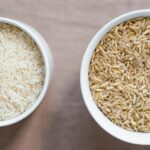
White rice, white bread, and polished grains contain far less phytin. This is one reason refined grains are sometimes fortified with iron and zinc. Removing the bran also removes the phytin that would have blocked those minerals.
The phytin content of a food is not fixed. Growing conditions, soil phosphorus, and plant variety all shift the numbers. Cooking and processing shift them further, which is why two loaves of whole wheat bread can differ in how much they interfere with mineral absorption.
Does Phytin Block Iron And Zinc Absorption?
Yes, and this is the best-documented effect of phytin. Research consistently shows that phytate reduces iron and zinc absorption in a dose-dependent way. The more phytin in a meal, the less of these minerals get through.
Zinc is especially sensitive. Even modest amounts of phytin can meaningfully reduce zinc absorption, and zinc has no large body store to draw on. Iron is also affected, though the picture is more complex because iron absorption depends heavily on your body’s needs and on other compounds in the meal.
Two factors change the size of the effect:
- Vitamin C strongly boosts iron absorption and can partly offset phytin’s blocking effect.
- Animal protein improves zinc and iron absorption and can counter some of the inhibition.
This is why a bean dish with tomatoes and peppers behaves differently from plain beans. The vitamin C in the tomatoes works against the phytin in the beans. The net effect on your iron status can be small.
For people in high-income countries eating mixed diets, phytin-related mineral deficiency is uncommon. It becomes a real concern in populations where cereal grains and legumes make up most of the diet and animal foods are scarce.


Are There Health Benefits To Phytin?
Phytin is not only an antinutrient. Some research suggests it has antioxidant properties and may influence cell signaling. Studies have looked at whether phytate intake is linked to lower risk of certain cancers and kidney stones, but the evidence is mixed and mostly observational.
Observational studies cannot prove cause and effect. People who eat more phytate-rich foods also tend to eat more fiber, more vegetables, and less processed food. Separating the effect of phytin from everything else in that pattern is difficult.
Some early laboratory work suggested phytate might reduce the formation of kidney stones by binding calcium in the gut. Follow-up human studies have not produced consistent results. The evidence here is limited, and no clinical guidance currently recommends phytate for stone prevention.
What is clear is that whole grains, legumes, nuts, and seeds carry well-established health benefits. Those benefits come from the whole food, not from phytin alone. Removing phytin from these foods would not make them healthier.
How Do Soaking, Sprouting, And Fermentation Reduce Phytin?
Traditional food preparation methods reduce phytin, and this is one of the more useful things to know about it. Soaking, sprouting, fermenting, and cooking all activate or introduce enzymes that break phytin down.
Here is how the main methods compare:
| Method | Effect on Phytin |
|---|---|
| Soaking in water | Modest reduction; more effective with longer soak times |
| Sprouting or germination | Substantial reduction as the seed activates phytase |
| Fermentation (sourdough, miso, tempeh) | Substantial reduction from microbial and grain enzymes |
| Ordinary cooking | Small reduction; heat alone does not destroy much phytin |
| Milling and refining | Large reduction because bran and germ are removed |
Phytase is the enzyme that breaks phytin down. Grains and legumes contain some phytase naturally, and yeast and certain bacteria produce more. Sourdough fermentation, for example, gives the enzymes hours of warm, slightly acidic conditions to work in. That is why sourdough bread interferes less with mineral absorption than quick-risen whole wheat bread.
Adding a phytase source can help too. Some bakers add a small amount of rye flour or a phytase-rich grain to a dough to reduce phytin in the final loaf. Commercial phytase is also added to some animal feeds for the same reason.
Should You Worry About Phytin In Your Diet?
For most people, no. The minerals lost to phytin in a typical mixed diet are small, and the foods that contain it are among the most health-promoting foods you can eat. Cutting out beans, whole grains, and nuts to avoid phytin would do more harm than good.
There are situations where it deserves more attention:
- People with iron-deficiency anemia who eat mostly plant foods
- People following strict vegetarian or vegan diets with limited mineral sources
- People in regions where cereal grains are the primary food source
- Anyone whose doctor has advised them to increase iron or zinc intake
If you fall into one of these groups, the practical steps are straightforward. Pair iron-rich plant foods with vitamin C. Use soaking, sprouting, or fermentation when you cook grains and legumes. Include some animal protein if your diet allows it. These are general nutrition strategies, not phytin-specific rules, and they are worth discussing with a doctor or dietitian if you have a diagnosed deficiency.
Supplement decisions are different. Iron and zinc supplements can interact with each other and with other medications, and taking them without a diagnosed need carries its own risks. That is a conversation for a clinician, not a general article.
One non-obvious point: phytin’s reputation as a pure antinutrient comes mostly from studies of single meals. Single-meal studies measure absorption over a few hours. They do not capture how the body adjusts over weeks and months. Long-term studies of people eating high-phytate diets show better mineral status than the short-term data would predict. That gap is why blanket warnings about phytin tend to overstate the risk.
Frequently Asked Questions
Is phytin the same as phytic acid?
Phytin is the calcium-magnesium salt of phytic acid, and the two terms are often used interchangeably in nutrition writing. Phytate is the name for the molecule when it carries a mineral charge in food or in the gut.
Does phytin cause mineral deficiency?
Phytin can reduce iron and zinc absorption from a single meal, but it rarely causes deficiency in people eating varied diets. Deficiency risk rises mainly where cereal grains and legumes dominate the diet and animal foods are scarce.
Does cooking destroy phytin?
Ordinary cooking reduces phytin only slightly because heat does not break it down well. Soaking, sprouting, and fermentation are far more effective because they activate enzymes that dismantle the molecule.
Should I avoid whole grains because of phytin?
No. Whole grains carry well-established health benefits, and the mineral losses from phytin are small in a mixed diet. Removing them to avoid phytin would likely do more harm than good.
