
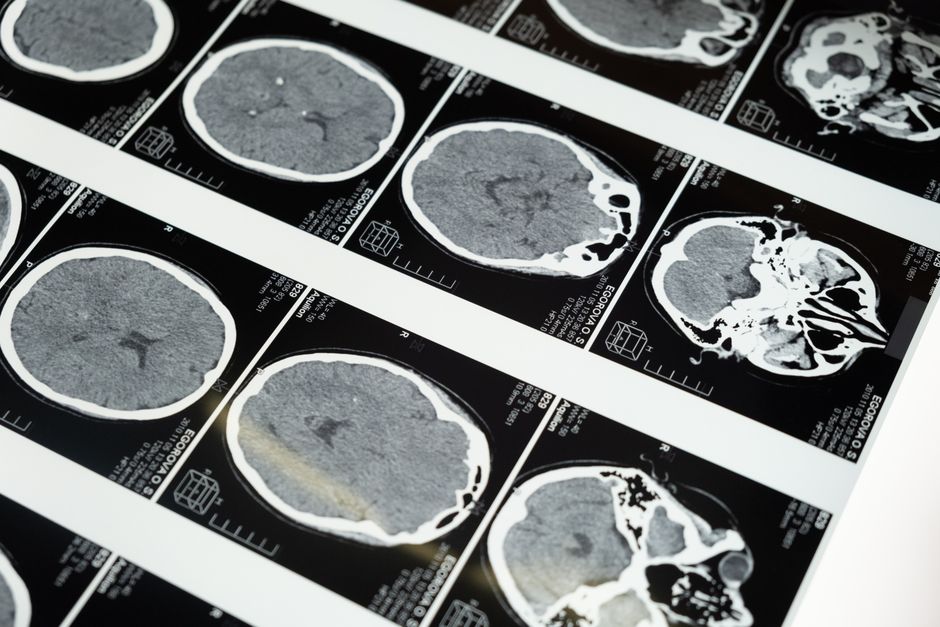
If you have ever looked at a PET scan report and seen the phrase “physiologic FDG uptake,” you are looking at one of the most common and least alarming findings in medical imaging. Physiologic FDG uptake means that a part of your body is taking up the radioactive tracer the way a normal, healthy tissue is expected to. It is the opposite of a suspicious finding. In most cases, it is exactly what a doctor hopes to see in those locations.
FDG stands for fluorodeoxyglucose. It is a form of glucose (sugar) with a small amount of radioactive fluorine attached. Cells that use a lot of glucose pull in more of the tracer, and the scanner detects that signal. Some normal tissues use glucose heavily all the time. When those tissues light up, the radiologist labels the finding “physiologic” to separate it from uptake that could signal disease.
What Is Physiologic FDG Uptake on a PET Scan?
Physiologic FDG uptake is tracer activity in normal tissue that is expected based on how that tissue works. The word “physiologic” means normal function. When a radiologist uses it, they are telling you the signal matches ordinary biology, not a tumor or infection.
The scan itself works on a simple principle. Cancer cells and some immune cells often consume more glucose than most normal cells, so they appear brighter. But several healthy tissues also consume a lot of glucose. The brain, for example, runs almost entirely on glucose and lights up intensely on nearly every scan. That is normal.
Reading a PET scan is not about finding brightness. It is about judging whether brightness appears in a pattern and location that fits normal tissue or something that does not belong. A radiologist compares the pattern against what is known about each organ and region.
Which Normal Tissues Commonly Show FDG Uptake?
Several organs and tissues take up FDG in predictable ways. Knowing which ones helps explain why certain areas appear bright without any disease present.
- Brain: The brain uses glucose constantly and shows the highest normal uptake in the body. This is why brain activity is nearly always visible.
- Heart muscle: The heart can take up FDG strongly, though the amount varies. Whether it lights up depends on what you ate and your metabolic state before the scan.
- Liver: The liver usually shows mild, even uptake as part of normal metabolism.
- Kidneys and bladder: FDG leaves the body through the urinary tract, so the kidneys, ureters, and bladder often show activity. This is excretion, not disease.
- Bone marrow: Marrow activity can appear mild and diffuse because blood cells are constantly being produced.
- Muscles: Working muscles can take up FDG, which is why you may be asked to rest and avoid exercise before the scan.
- Salivary glands, tonsils, and thyroid: These can show mild uptake, sometimes related to inflammation or normal glandular activity.
- Gastrointestinal tract: The stomach and bowel walls can show uptake that shifts and varies.
Brown fat is a special case worth knowing about. It is a type of fat that burns energy to make heat, and it can take up FDG very strongly. Brown fat sits mainly in the neck, shoulders, and upper chest. Cold temperatures activate it, which is one reason patients are kept warm before a scan. Intense brown fat uptake can be mistaken for disease if the reader is not careful, but it is a normal tissue finding.
Why Does the Body Take Up FDG at All?
FDG is handled by the body much like ordinary glucose. Cells that need energy pull glucose in through special doorway proteins on their surface. FDG uses the same doorways. Once inside, it gets trapped because it cannot be fully broken down the way normal glucose can. That trapping is what allows the scanner to see where glucose-hungry cells are.
This is also why the scan reflects metabolism rather than anatomy. A CT scan shows structure and shape. A PET scan shows how actively tissue is using sugar. Combining the two, which is standard in most modern PET scans, lets a radiologist see both where something is and how active it appears.
The key point is that high glucose use is not the same as cancer. Many normal processes use glucose heavily. So do some benign conditions. The pattern, location, and shape of the uptake are what guide interpretation, not brightness alone.


What Can Cause Uptake That Is Not Physiologic?
When uptake does not fit a normal pattern, radiologists call it something else. It may be labeled suspicious, abnormal, or indeterminate. That does not automatically mean cancer.
Several non-cancerous conditions increase FDG uptake. Infection and inflammation are common causes, because active immune cells consume large amounts of glucose. Recent surgery, healing wounds, and arthritis can all produce uptake. Some benign tumors and harmless growths also take up FDG.
Cancer tends to show up as focal, intense uptake in a location where it does not belong. Even then, the scan alone often cannot confirm what the tissue is. That is why PET findings are usually combined with other imaging, a patient’s history, and sometimes a biopsy. A PET scan is a strong clue, not a final answer on its own.
How Do You Prepare for a PET Scan to Limit Confusion?
Preparation matters because it helps separate normal uptake from findings that could be misread. Most of the steps are designed to keep normal tissues quiet and metabolism steady.
You will usually be asked to fast for several hours before the scan. Food raises blood sugar and insulin, which changes how tissues take up FDG. For most scans, you avoid strenuous exercise for a day beforehand, since working muscles stay hungry for glucose. You may also be asked to avoid caffeine and to stay warm, which helps reduce brown fat activity.
People with diabetes need specific instructions. Blood sugar that is too high can weaken the scan’s usefulness, so timing of medication and meals is often adjusted. These instructions should come from your care team, because they depend on your medications and your scan’s purpose. No single fasting or medication rule applies to everyone.
After the tracer is injected, you rest quietly for about an hour while it distributes. Talking, chewing, and moving can create muscle uptake that complicates the images. This is why you are asked to stay still and relax.
Does Physiologic Uptake Mean Something Is Wrong?
No. Physiologic uptake is a normal finding. It is the expected signal from healthy tissue doing its usual job.
If anything, its presence confirms the scan is working as intended. The tracer reached your tissues, and the scanner detected normal metabolism. The finding only becomes noteworthy when uptake appears in a place or pattern that does not match normal biology.
It helps to remember that a PET scan is one piece of a larger picture. Your doctor interprets the report alongside your symptoms, your medical history, and other tests. A word like “physiologic” is meant to reassure the reader that a specific area is not a concern. When in doubt, ask your care team to walk you through the report line by line. That is a reasonable request, and it often clears up confusion quickly.
What Do the Terms on a PET Report Actually Mean?
Reports use a shared vocabulary, and understanding a few terms makes the document far less intimidating.
| Term | What It Generally Means |
|---|---|
| Physiologic | Normal, expected uptake from healthy tissue |
| Focal | Uptake confined to one small, defined spot |
| Diffuse | Uptake spread evenly across an area |
| SUV | Standardized uptake value, a measure of signal intensity |
| Hypermetabolic | Tissue using more glucose than usual |
| Indeterminate | Uptake that cannot be clearly called normal or abnormal |
SUV is worth a note because patients often focus on it. It is a number that reflects how much tracer a spot took up. Higher values can be more concerning in some contexts, but there is no single cutoff that separates cancer from everything else. Normal tissues, inflammation, and benign growths can all produce high values. Radiologists weigh the number against the pattern and location, not in isolation.
Frequently Asked Questions
Is physiologic FDG uptake on a PET scan normal?
Yes, physiologic FDG uptake is a normal finding that reflects healthy tissue using glucose. It is not a sign of cancer or disease on its own.
What does physiologic uptake in the bowel or colon mean?
Uptake in the bowel is common and often related to normal muscle activity or minor inflammation. It is usually not a concern unless the pattern looks unusual, in which case your doctor may recommend further evaluation.
Can physiologic FDG uptake ever be mistaken for cancer?
Yes, normal tissues like brown fat, muscle, or inflamed areas can sometimes appear bright and be confused with disease. Radiologists use location, pattern, and your history to tell the difference.
Should I worry if my PET scan report mentions FDG uptake?
Not automatically. The word “physiologic” specifically signals normal, expected activity. Ask your care team to explain any part of the report you do not understand.
