
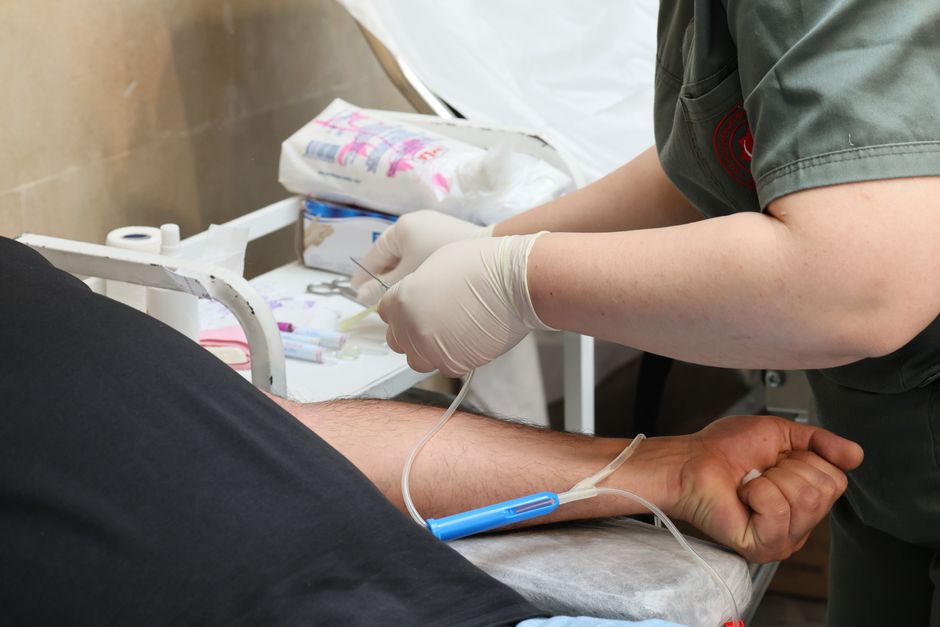
Phlebotomy for polycythemia is a simple procedure where a healthcare provider removes a specific amount of blood from your vein to lower your red blood cell count. It is the standard first-line treatment for polycythemia vera and is also used for secondary polycythemia when symptoms require relief. Most people tolerate the procedure well, with mild side effects like lightheadedness or bruising, and typically need repeat sessions until their blood counts reach a healthy range.
Why Phlebotomy Is Used for Polycythemia
Polycythemia means your body makes too many red blood cells. When that happens, your blood becomes thicker than normal. Thicker blood moves more slowly through your veins and arteries, which raises your risk of blood clots, stroke, and heart attack.
Phlebotomy works by removing those extra red blood cells directly. It lowers the total volume of red cells in your bloodstream quickly. This is why doctors have used it for decades — it is fast, effective, and works regardless of the underlying cause of your high red cell count.
In polycythemia vera, a bone marrow disorder, phlebotomy is usually the first treatment offered. In secondary polycythemia — where another condition like sleep apnea or chronic lung disease drives the high counts — phlebotomy is used when symptoms are severe or when the underlying cause cannot be fully corrected.
What Happens During the Procedure
You will sit in a reclining chair or lie down. A nurse or phlebotomist places a needle in a vein, usually in your arm, similar to a blood donation. The blood flows into a collection bag or bottle. The entire process takes 15 to 30 minutes.
The amount of blood removed depends on your weight, your current blood counts, and your overall health. A typical session removes about one unit of blood, which is roughly 450 to 500 milliliters. Your provider calculates the exact amount for your situation.
You may be asked to drink extra fluids before the appointment. This helps keep your blood pressure stable during and after the procedure. Some clinics check your blood counts before each session to decide how much blood to remove.
How You Will Feel During and After
Most people feel nothing more than a quick pinch when the needle goes in. Some feel a slight coolness or tingling as blood leaves the body. Serious discomfort during the procedure is uncommon.
Afterward, you may feel lightheaded or tired. This is normal and usually passes within a few hours. Some people feel a little dizzy for the rest of the day. Plan to take it easy after your appointment. Do not drive immediately if you feel faint.
Bruising at the needle site is common. It may look purple or dark for a few days and then fades on its own. Keep the bandage on for a few hours and avoid heavy lifting with that arm for the rest of the day.





How Often You Need Phlebotomy
There is no single schedule that works for everyone. Your treatment plan depends on how high your red blood cell count is and how quickly your body makes new cells.
At the start, many people need phlebotomy every few days to every week. This is called the induction phase. The goal is to bring your red blood cell count down to a target range quickly. Once your counts are in range, the frequency usually drops to every few months.
Your doctor monitors your blood counts regularly. When your red cell count climbs back up, you schedule another session. Over time, many people find a rhythm where they need treatment only a few times a year.
What Counts Are Considered a Healthy Target
The goal of phlebotomy is to bring your hematocrit — the percentage of your blood that is red blood cells — into a safer range. For most adults, a normal hematocrit is roughly 38 to 48 percent for women and 42 to 52 percent for men.
In polycythemia vera, most treatment guidelines aim to keep hematocrit below 45 percent. Research has shown that keeping hematocrit under this level reduces the risk of cardiovascular events and blood clots in people with this condition.
For secondary polycythemia, the target may be different. Your doctor will set a goal based on your specific condition, your symptoms, and your other health risks. The target is not always the same as the normal range for a healthy person.
Risks and Side Effects of Phlebotomy
Phlebotomy is generally safe, but it is not without risks. The most common side effects are mild and temporary.
- Lightheadedness or fainting — This happens when blood pressure drops briefly. It resolves quickly when you lie down and rest.
- Bruising or soreness — This occurs at the needle site and usually fades within a few days.
- Fatigue — Some people feel tired for a day or two after blood removal.
- Iron deficiency — Repeated phlebotomy removes iron along with red blood cells. Over time, this can lead to low iron stores. Many doctors monitor iron levels and may recommend supplements if needed.
Serious complications are rare. Infection at the needle site is possible but uncommon. Nerve injury from the needle is extremely rare. Your care team is trained to minimize these risks.
What To Expect From Phlebotomy for Polycythemia Long Term
Phlebotomy is not a cure for polycythemia vera. It manages the condition by keeping your blood counts in a safer range. You will likely need ongoing treatment for years, possibly for life.
Many people live with polycythemia vera for decades with proper management. Regular phlebotomy significantly reduces the risk of blood clots, stroke, and heart attack. It does not eliminate all risks, but it makes the condition much safer to live with.
For secondary polycythemia, treating the underlying cause is the primary goal. If the cause cannot be fixed — such as in some chronic lung diseases — phlebotomy may be needed on an ongoing basis to control symptoms.
When Phlebotomy Is Not Enough
Some people do not reach their target blood counts with phlebotomy alone. Others find the frequent sessions too burdensome. In these situations, doctors may add medication to reduce red blood cell production.
Hydroxyurea is the most common medication used alongside phlebotomy in polycythemia vera. It suppresses bone marrow activity and reduces the production of all blood cells. Other options include interferon therapy and, in some cases, newer targeted drugs.
Your doctor will discuss these options if your blood counts remain high despite regular phlebotomy, or if you have intolerable side effects from the procedure. The choice depends on your age, your overall health, and how your disease behaves.
Questions to Ask Your Doctor Before Starting
Before your first phlebotomy, ask your doctor a few direct questions. What is my target hematocrit? How often will I need treatment at the start? How will we decide when to stop or space out sessions? What symptoms should I report between appointments?
Ask about iron monitoring as well. Repeated phlebotomy can deplete your iron stores. Your doctor should have a plan for checking and managing this over time.
Also ask what to do if you feel unwell after a session. Know which symptoms require a call to the clinic and which are normal. Having clear instructions beforehand makes the process less stressful.
Lifestyle Considerations During Treatment
Staying hydrated helps your body handle blood removal more smoothly. Drink water before and after your appointments unless your doctor tells you otherwise.
Eat a balanced diet. If you develop iron deficiency from repeated phlebotomy, your doctor may recommend iron-rich foods or supplements. Do not take iron supplements on your own — too much iron can be harmful in polycythemia vera.
Keep your follow-up appointments. The success of phlebotomy depends on regular monitoring. Skipping sessions or delaying blood tests can allow your counts to climb back into a dangerous range.
Frequently Asked Questions
Does phlebotomy for polycythemia hurt?
Most people feel only a brief pinch when the needle enters the vein. The procedure itself is not painful, though some mild soreness or bruising at the site can last a few days.
How long does a phlebotomy session take?
A typical session takes 15 to 30 minutes from start to finish. The actual blood removal is usually faster, with the remaining time spent on preparation and monitoring.
Can I drive myself home after phlebotomy?
You should not drive immediately if you feel lightheaded or faint after the procedure. Many clinics recommend having someone drive you home for your first session until you know how your body reacts.
How many phlebotomy sessions will I need?
Most people need frequent sessions at first — sometimes every few days to weekly — until their blood counts drop to target range. After that, maintenance sessions are usually needed every few months, though this varies by individual.
