
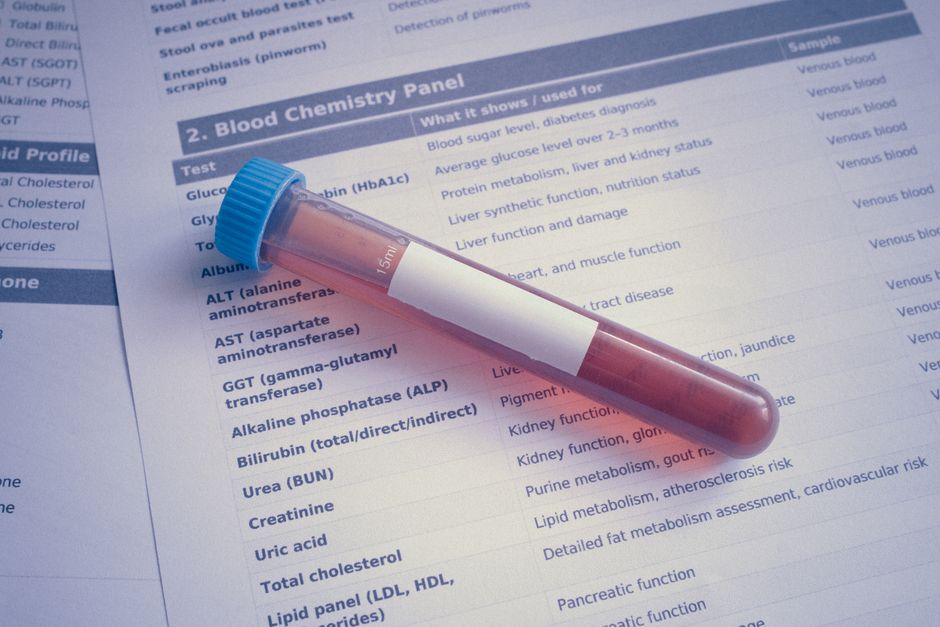
A urine test can look like a wall of abbreviations, and “pH” and “UA” are two of the most common. pH is a measure of how acidic or alkaline your urine is. UA stands for urinalysis, the standard urine test that checks your pee for things like acidity, sugar, protein, blood, and signs of infection. Together, “pH UA” on a lab report usually means the acidity reading that comes as part of a urinalysis panel.
What Does pH Mean on a Urine Test?
pH is a scale from 0 to 14 that measures acidity. A lower number is more acidic. A higher number is more alkaline, also called basic. Pure water sits near 7, which is neutral.
Urine pH shows how well your body is managing acid. The kidneys do most of this work. They filter your blood and adjust how much acid or base leaves the body in urine. That is why urine pH changes throughout the day depending on what you eat, drink, and how your body is functioning.
For most healthy adults, urine pH usually falls somewhere between about 4.5 and 8. The average tends to sit slightly on the acidic side, around 6. A single reading outside that range is not automatically a problem. Diet alone can shift it within hours.
One detail people often miss: urine pH is not the same as blood pH. Blood pH is tightly controlled and stays in a very narrow range, roughly 7.35 to 7.45. Urine pH is allowed to swing widely because the kidneys use it as a tool to keep blood pH stable. A strange urine pH reading usually reflects the kidneys doing their job, not a body-wide acid problem.
What Does UA Mean in a Urine Test?
UA is shorthand for urinalysis. It is one of the most common lab tests ordered in medicine, and it is often part of a routine checkup, a pre-surgery workup, or an evaluation for symptoms like burning when you pee or flank pain.
A urinalysis typically has three parts. Each part answers a different question.
- Visual check: the color and clarity of the sample. Cloudy urine can suggest cells, crystals, or bacteria.
- Dipstick test: a chemically treated strip is dipped in the sample. It gives quick readings for pH, protein, glucose, ketones, blood, and other markers.
- Microscopy: the sample is spun down and examined under a microscope to look for red blood cells, white blood cells, bacteria, or crystals.
The pH reading on a urinalysis report comes from the dipstick portion. So when a report lists “pH” under a “UA” heading, it simply means the acidity measurement from the standard urine panel.
What Is a Normal Urine pH Range?
There is no single “normal” number. The usual reference range is about 4.5 to 8, and many labs report anything in that window as normal. Some labs narrow it to roughly 5 to 7.5.
Because the range is wide, a result of 5.0 and a result of 7.5 can both be normal in the same person on different days. What matters more is the pattern over time and whether the reading fits your symptoms and other test results.
Certain foods push urine toward alkaline. Others push it toward acidic. The list below is general and based on how the body processes different foods, not on lab thresholds.
- Meat, fish, poultry, and eggs tend to make urine more acidic.
- Fruits, vegetables, and legumes tend to make urine more alkaline.
- Citrus fruits are a common surprise here. Even though lemons and oranges taste acidic, the body metabolizes them in a way that can raise urine pH.
- Dairy products and grains are closer to neutral in their effect.
Hydration matters too. Drinking a lot of water can dilute the sample and shift the reading. So can the time of day the sample is collected. A first-morning sample is often more concentrated and more acidic than one collected after lunch.





What Causes High or Low Urine pH?
A high urine pH means the sample is more alkaline than usual. A low pH means it is more acidic. Both can be normal, and both can point to a health issue. The reading alone rarely tells you which.
Common reasons urine pH runs high include a diet heavy in fruits and vegetables, a urinary tract infection caused by certain bacteria, and some kidney conditions. Vomiting can also raise it because the body loses acid through the stomach.
Common reasons urine pH runs low include a high-protein diet, fasting, dehydration, and poorly controlled diabetes. In diabetes, the body can produce acidic byproducts called ketones, which lower pH.
Some medications and supplements affect the reading. So can storage conditions. If a urine sample sits at room temperature for too long, bacteria can multiply and change the pH. This is one reason labs prefer a fresh sample.
Here is a point worth understanding: a urine pH that looks “off” is often not a diagnosis on its own. It is a clue. Doctors read it alongside protein, blood, glucose, and the microscopic findings to build a picture.
When Does Urine pH Actually Matter?
For most people getting a routine urinalysis, a pH within the normal range is not something to worry about. It is one data point among many.
There are specific situations where urine pH carries real clinical weight.
- Kidney stone prevention: certain stones, like uric acid stones, form more easily in acidic urine. Doctors may track pH to help guide prevention.
- Urinary tract infections: some bacteria that cause UTIs produce an enzyme that raises urine pH. A high pH alongside other findings can support that diagnosis.
- Metabolic conditions: disorders that affect how the body handles acid can show up as abnormal urine pH.
- Medication monitoring: some drugs work better at a certain urine pH, so pH may be checked during treatment.
Outside these situations, a single pH reading is usually not the main event. The rest of the urinalysis often matters more.
How Is a Urine pH and UA Test Done?
The test is simple and non-invasive. You collect a urine sample, usually midstream, in a clean cup. A midstream sample means you start urinating into the toilet, then catch the middle portion in the cup. This reduces contamination from the skin.
For a routine urinalysis, no fasting is needed. Some tests, like a 24-hour urine collection, require you to save all urine over a full day. Those are used for different questions and follow their own instructions.
Results usually come back within a day. The report will list pH along with the other markers. If anything looks unusual, a doctor may repeat the test, since a single reading can be affected by diet, hydration, and timing.
One practical tip: tell your doctor about any supplements or medications you take. Vitamin C, for example, can affect dipstick readings for other markers, and some drugs shift urine pH directly.
What If Your Urine pH Is Outside the Normal Range?
An out-of-range pH is not a reason to panic. It is a reason to look at the full picture.
Your doctor will likely consider your symptoms, your diet, your medications, and the other urinalysis results. If the pH is the only abnormal finding and you feel fine, the next step may be a repeat test. If other markers are abnormal, or if you have symptoms, further testing may be needed.
There is no standard treatment for an abnormal urine pH by itself. Treatment, when needed, targets the underlying cause. Changing your diet may be part of that, but dietary changes for urine pH should be guided by a doctor, especially if you have kidney disease or take medications that affect acid balance.
Be cautious of products marketed to “balance your pH.” The body regulates its own acid-base balance very tightly, and no supplement has been shown to improve health by changing urine pH in otherwise healthy people. Urine pH is a measurement, not a condition to fix on its own.
Frequently Asked Questions
What does pH UA mean on a urine test report?
It means the pH reading from a urinalysis panel. UA stands for urinalysis, and pH is the acidity measurement included in that standard test.
What is a normal urine pH level?
Most labs report a normal range of about 4.5 to 8, with the average sitting near 6. A single reading anywhere in that range is usually not a concern.
Can food change my urine pH?
Yes. A diet high in meat tends to make urine more acidic, while a diet high in fruits and vegetables tends to make it more alkaline. Changes can show up within hours.
Does an abnormal urine pH mean I have a health problem?
Not necessarily. Urine pH shifts with diet, hydration, and timing, so one unusual reading often means little on its own. Doctors look at the full urinalysis and your symptoms before drawing conclusions.
