
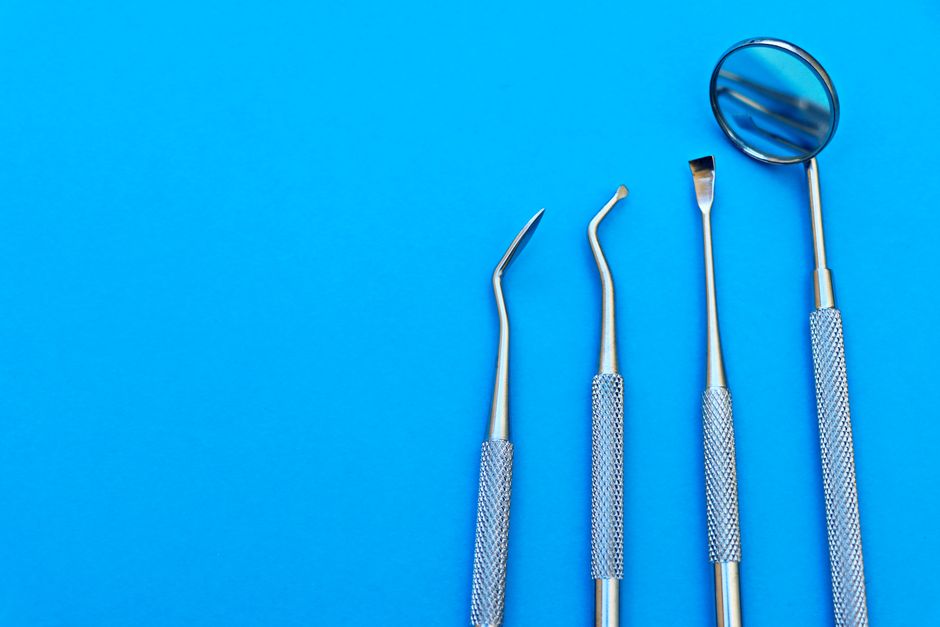
Periodontics is a dental specialty focused on the gums and bone that support your teeth. Periodontics treatment refers to the care provided by a periodontist — a dentist with extra training in gum disease and dental implants — to treat infections and damage to these supporting structures. The treatment works by removing bacterial plaque and tartar from below the gumline, reducing inflammation, and in advanced cases regenerating lost bone and gum tissue. Without treatment, periodontal disease can lead to tooth loss and has been linked to other health problems like heart disease and diabetes.
What is periodontics?
Periodontics is the branch of dentistry that deals with the prevention, diagnosis, and treatment of diseases affecting the gums and the bone that holds teeth in place. These tissues are called the periodontium, which includes the gums, periodontal ligament, cementum, and alveolar bone. A periodontist completes three additional years of training after dental school to specialize in managing gum disease, performing surgical procedures, and placing dental implants.
General dentists often treat early gum problems. But moderate to advanced cases, or complicated medical histories, usually require a periodontist. Common conditions treated include gingivitis (gum inflammation), periodontitis (gum infection with bone loss), gum recession, and peri-implantitis (infection around dental implants).
What causes periodontal disease?
Periodontal disease is caused by bacteria in dental plaque. Plaque is a sticky film that forms on teeth. When you do not remove plaque through brushing and flossing, it hardens into tartar (calculus), which can only be removed by a dental professional. The bacteria in plaque and tartar produce toxins that inflame the gums. This inflammation is the body’s immune response.
Over time, chronic inflammation damages the soft tissue and bone supporting the teeth. Risk factors include poor oral hygiene, smoking, diabetes, certain medications, hormonal changes, genetic susceptibility, and conditions that affect the immune system. Stress and poor nutrition can also contribute.
It is worth noting that periodontal disease is not contagious like a cold. The bacteria that cause it are common in everyone’s mouth. The disease develops when the balance of bacteria shifts toward more harmful types and the immune system overreacts.
What are the stages of gum disease?
Gum disease has two main stages: gingivitis and periodontitis. Gingivitis is the mildest form. The gums become red, swollen, and bleed easily. There is no bone loss at this stage. Gingivitis is reversible with professional cleaning and improved daily oral care.
If gingivitis is not treated, it can progress to periodontitis. In periodontitis, the gum tissue pulls away from the teeth, forming pockets that become infected. The body’s immune system fights the bacteria, and the combination of bacterial toxins and the immune response starts to break down the bone and connective tissue that hold teeth in place. Periodontitis is not fully reversible, but it can be managed. Without treatment, the bone loss continues and teeth may become loose or fall out.
Periodontitis is further classified as mild, moderate, or severe based on the amount of bone loss and pocket depth. Pocket depth is measured with a periodontal probe during a dental exam. Normal pocket depth is 1 to 3 millimeters. Depths of 4 millimeters or more often indicate disease.





What is periodontics treatment and how does it work?
Periodontics treatment aims to control the infection, stop bone loss, and restore gum health. It works through several steps. First, a thorough evaluation — including periodontal probing, X-rays, and a review of your medical history — determines the extent of the disease. Then treatment is customized based on severity.
For early disease (gingivitis), treatment is straightforward: a professional cleaning called prophylaxis removes plaque and tartar above and slightly below the gumline. You then maintain the result with good brushing and flossing.
For periodontitis, the first line of treatment is scaling and root planing (SRP). Scaling removes tartar from below the gumline. Root planing smooths the tooth root surfaces to make it harder for bacteria to reattach. This is often done with local anesthesia and may require multiple appointments. After SRP, the gum tissue reattaches to cleaner root surfaces, and pocket depths often decrease.
If SRP does not adequately control the disease, or if there are deep pockets that cannot be cleaned non-surgically, surgical treatments may be needed. These include flap surgery (lifting the gums to access and clean the roots) and bone grafting (replacing lost bone). The goal of any periodontal treatment is to reduce inflammation, stop disease progression, and preserve the teeth.
What are the non-surgical treatments for periodontics?
Non-surgical treatments are the foundation of periodontal care. Scaling and root planing is the most common. It is sometimes called a “deep cleaning.” Your periodontist may recommend using an antimicrobial mouth rinse or placing local antibiotics (like doxycycline gel) into the pockets to help control bacteria.
Laser therapy is a newer non-surgical option. Some studies suggest lasers can remove diseased tissue and bacteria with less discomfort than traditional methods. However, the evidence is mixed. The American Academy of Periodontology states that lasers can be used as an adjunct to scaling and root planing, but they do not replace it. Laser treatment is not proven to be more effective than SRP alone in all cases.
Non-surgical treatment is generally effective for mild to moderate periodontitis. It reduces pocket depths, improves gum attachment, and lowers inflammation. Success depends on your oral hygiene after treatment and regular follow-up visits.
What are the surgical treatments for periodontics?
When non-surgical treatment is not enough, or when the disease is advanced, surgery may be necessary. Several surgical procedures are used:
- Flap surgery (pocket reduction surgery): The periodontist makes small incisions in the gum to lift the tissue back, exposing the tooth roots for cleaning. The bone may be reshaped to reduce pocket depth. The gum is then sutured back into place.
- Bone grafting: This replaces bone lost to periodontitis. The graft material can come from your own bone, a donor, or synthetic materials. It provides a scaffold for your body to grow new bone.
- Guided tissue regeneration: A small membrane is placed between the gum and bone to direct which cells grow back, favoring new bone formation.
- Soft tissue grafts: Used to cover exposed tooth roots due to gum recession. Tissue is taken from the roof of your mouth or another donor source and attached to the affected area.
- Pocket elimination surgery: In severe cases, the gums may be removed or reshaped to reduce pocket depth.
These procedures are done with local anesthesia and sometimes sedation. Recovery time varies but most people return to normal activities within a few days. Pain is usually manageable with over-the-counter or prescription pain relievers.
How successful is periodontics treatment?
Treatment is highly effective when you follow your periodontist’s recommendations and maintain good daily care. For gingivitis, success rates approach 100% with proper hygiene. For periodontitis, scaling and root planing can reduce pocket depths by 1 to 2 millimeters on average and eliminate inflammation in most cases.
Surgical treatments also have strong success rates. Bone grafting and guided tissue regeneration can significantly improve bone levels in many patients. However, results depend on factors like the severity of bone loss, your overall health, whether you smoke, and your commitment to follow-up care.
Periodontal disease is a chronic condition. Even after successful treatment, it requires lifelong maintenance. Most people need a periodontal maintenance visit every 3 to 4 months to prevent recurrence.
How to maintain results after periodontal treatment
After treatment, keeping your gums healthy is an ongoing effort. Brush twice a day with a soft-bristled toothbrush. Floss daily to remove plaque between teeth. Your periodontist may recommend interdental brushes, water flossers, or special picks for hard-to-reach areas.
If you smoke, quitting is one of the most important steps you can take. Smokers heal more slowly and have a much higher risk of gum disease recurring. Managing diabetes and other health conditions also improves outcomes. Regular dental visits — both for professional cleanings and periodontal check-ups — are essential.
Your periodontist will measure pocket depths at each maintenance visit. If the disease returns, additional treatment may be needed. The goal is to keep inflammation under control so that bone loss does not progress.
Can periodontics treatment reverse gum disease?
This is a common question. The answer depends on the stage. Gingivitis, the early stage with no bone loss, is fully reversible. Once the infection is removed and inflammation subsides, the gums return to health. Periodontitis, which involves bone loss, is not reversible. The bone that has been lost does not grow back on its own.
However, periodontics treatment can stop the disease from getting worse. In some cases, regenerative procedures like bone grafting and guided tissue regeneration can stimulate the body to regrow some bone. But this does not happen for every patient, and even when it does, the new bone may not return to its original level. The realistic goal of treatment is to control the disease and prevent further damage, not to cure it completely.
When should you see a periodontist?
You might need a periodontist if your general dentist finds deep pockets, bone loss, or gum recession during a routine exam. Symptoms that suggest gum disease include gums that bleed when you brush or floss, persistent bad breath, swollen or tender gums, receding gums, loose teeth, or a change in how your teeth fit together when you bite.
Some people also see a periodontist for cosmetic reasons, like covering exposed roots or reshaping uneven gums. And if you need dental implants, a periodontist often performs that procedure. You typically do not need a referral from a general dentist — you can contact a periodontist’s office directly. But it is a good idea to coordinate care so your dentist and periodontist share information.
Frequently Asked Questions
Is periodontics treatment painful?
Most procedures are done with local anesthesia, so you should not feel pain during treatment. Some soreness after scaling and root planing or surgery is normal and usually managed with over-the-counter pain relievers.
How long does periodontics treatment take?
Scaling and root planing often requires two appointments, each lasting about one hour per quadrant. Surgical procedures may take one to two hours. The full course of treatment can span several months to allow healing and re-evaluation.
Can gum disease come back after treatment?
Yes, periodontal disease is a chronic condition that can recur, especially if you do not maintain good oral hygiene and attend regular maintenance visits. Most periodontists recommend a check-up every three to four months to prevent relapse.
Do I need a referral to see a periodontist?
No, you can usually schedule an appointment directly. However, some insurance plans may require a referral for coverage. Your general dentist can also refer you if they find signs of advanced gum disease.
