
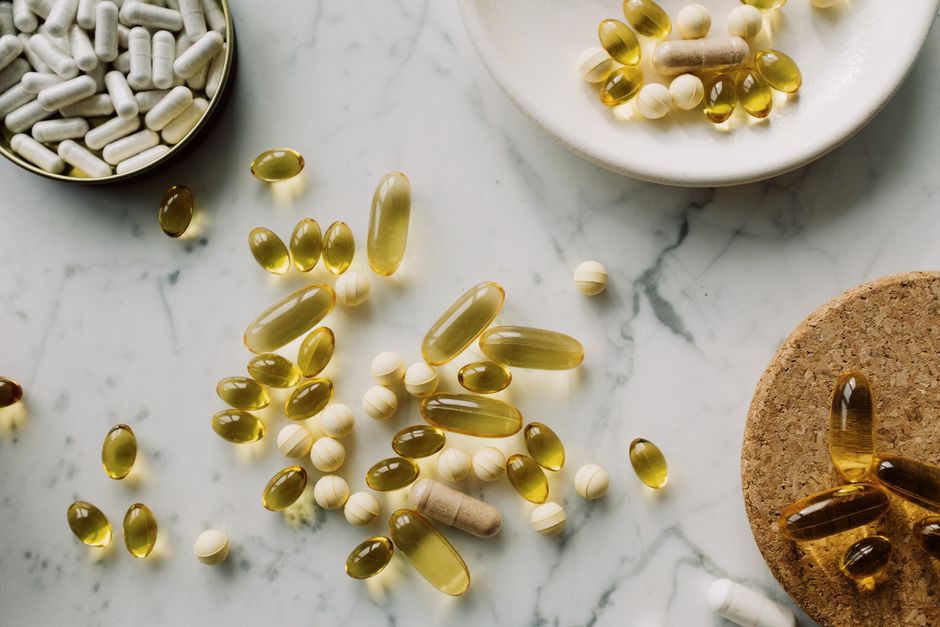
Pancreatic lipase is a digestive enzyme made by the pancreas that breaks down dietary fats into smaller molecules your body can absorb. When you eat a meal containing fat, this enzyme goes to work in your small intestine, converting triglycerides into monoglycerides and free fatty acids. Without enough pancreatic lipase, fat passes through your digestive system unabsorbed, which can cause greasy stools and poor absorption of fat-soluble vitamins.
What Is Pancreatic Lipase And How Does It Work?
Pancreatic lipase is one of the main enzymes responsible for fat digestion. It is produced in the pancreas and released into the duodenum, the first part of the small intestine, when you eat. Its job is to break down triglycerides — the main form of fat in food — into components small enough to cross the intestinal wall.
The enzyme works only in an environment that is not too acidic. That is why the pancreas also releases bicarbonate at the same time. Bicarbonate neutralizes stomach acid in the small intestine, creating the slightly alkaline conditions lipase needs to function. Bile, produced by the liver and stored in the gallbladder, also plays a supporting role. Bile does not digest fat itself. It emulsifies fat, breaking large globules into smaller droplets so lipase has more surface area to work on.
Once lipase breaks triglycerides down into monoglycerides and free fatty acids, these smaller molecules combine with bile salts to form structures called micelles. The micelles carry the digested fats to the intestinal lining, where they are absorbed into the bloodstream.
What Happens When Pancreatic Lipase Levels Are Low?
Low pancreatic lipase means fat is not digested properly. This condition is called exocrine pancreatic insufficiency, or EPI. When lipase levels are insufficient, a large share of the fat you eat remains intact and moves through the intestines undigested.
The most visible sign is steatorrhea — stool that is oily, pale, bulky, and foul-smelling. It may float in the toilet and be difficult to flush. Fat that is not absorbed also carries fat-soluble vitamins with it. Vitamins A, D, E, and K are lost in the stool, which can lead to deficiencies over time.
Unabsorbed fat can also cause bloating, cramping, and diarrhea. Weight loss is common because the body is not extracting calories from the food you eat, no matter how much you consume.
What Conditions Cause Pancreatic Lipase Deficiency?
Several conditions can damage the pancreas or block its ducts, reducing how much lipase reaches the small intestine.
Chronic pancreatitis is the most common cause. Repeated inflammation damages the pancreatic tissue that produces enzymes. Over time, the gland loses its ability to make enough lipase. In adults, heavy alcohol use and gallstones are frequent triggers for pancreatitis. Some cases have no clear cause.
Cystic fibrosis affects children and young adults. The genetic condition causes thick mucus to build up in the pancreas, blocking the ducts that carry enzymes to the intestine. Most people with cystic fibrosis need pancreatic enzyme replacement therapy.
Pancreatic cancer can block the pancreatic duct or destroy enzyme-producing tissue. Surgery on the pancreas, such as the Whipple procedure, also reduces enzyme output. Other causes include blockage of the pancreatic duct by a tumor or gallstone, and in rare cases, autoimmune pancreatitis, where the immune system attacks the pancreas.





How Is Pancreatic Lipase Deficiency Diagnosed?
Doctors do not usually measure lipase levels in the blood to diagnose EPI. Blood lipase is measured when pancreatitis is suspected, because inflamed pancreatic tissue leaks the enzyme into the bloodstream. But for deficiency, the relevant question is how much lipase is reaching the intestine, not how much is in the blood.
The most reliable test is a fecal elastase test. Elastase is another pancreatic enzyme, but unlike lipase, it survives passage through the digestive tract. A stool sample is tested for elastase. Low levels indicate the pancreas is not producing enough enzymes. This test is simple, non-invasive, and widely used.
Another approach is a fecal fat test. You eat a diet with a set amount of fat for several days, then collect stool over 24 to 72 hours. The lab measures how much fat is in the stool. High fat content confirms malabsorption. This test is more burdensome but provides direct evidence of fat malabsorption.
How Is Low Pancreatic Lipase Treated?
The standard treatment is pancreatic enzyme replacement therapy, or PERT. These are prescription capsules containing lipase, amylase, and protease — the three main pancreatic enzymes. The capsules are taken with every meal and snack. The dose depends on the fat content of the meal.
Modern enzyme products are enteric-coated. The coating protects the enzymes from stomach acid so they survive until they reach the small intestine. Taking the capsules with food is important. The enzymes need to mix with the meal as it enters the intestine.
Enzyme replacement therapy is highly effective when dosed correctly. Stool frequency and consistency improve, weight stabilizes or increases, and fat-soluble vitamin levels can return to normal with supplementation. Some people also need acid-suppressing medications to improve enzyme activity.
Dietary changes support treatment. Eating smaller, more frequent meals can help. Some people find that spreading fat intake across the day is easier to manage than one large fatty meal. There is no standard “pancreatic diet” that fits everyone. The approach is individualized based on symptoms and response to enzymes.
Can Diet Or Supplements Boost Pancreatic Lipase Naturally?
This is a common question, and the honest answer is that no food or supplement has been shown to restore pancreatic lipase production in people with pancreatic disease. Once the pancreas has lost enzyme-producing tissue, that tissue does not regenerate. Diet cannot fix the underlying problem.
Some supplements are marketed for “digestive support” and contain plant-derived lipases, such as those from papaya or fungal sources. These are not equivalent to prescription pancreatic enzymes. They are not held to the same standards, and there is no strong clinical evidence that they meaningfully improve fat digestion in people with EPI.
However, diet does matter in a different way. Eating meals that are lower in fat reduces the demand on a damaged pancreas. This can lessen symptoms like bloating and diarrhea. But it is not a treatment for the deficiency itself. If you have confirmed EPI, the evidence-based approach is prescription enzyme therapy, not dietary supplements.
Can You Have Too Much Pancreatic Lipase?
High blood levels of lipase are a marker of acute pancreatitis. When pancreatic tissue is inflamed or injured, the cells leak enzymes into the bloodstream. A blood test showing elevated lipase, along with abdominal pain, is part of the standard diagnosis for acute pancreatitis.
High lipase in the blood is not a problem in itself. It is a signal of underlying pancreatic injury. The enzyme is not “too active” in the gut. The issue is the damage causing the leak. Once the pancreas heals, lipase levels typically return to normal.
Lipase levels can also be mildly elevated in other conditions, including gallbladder disease, kidney failure, and bowel obstruction. Mild elevations without symptoms or imaging findings may not indicate significant disease. Doctors interpret lipase levels in the context of symptoms and other tests, not as a standalone number.
Frequently Asked Questions
What are normal pancreatic lipase levels?
Normal blood lipase is typically under 60 units per liter, though reference ranges vary by laboratory. Levels three times the upper limit of normal, combined with abdominal pain, strongly suggest acute pancreatitis.
Can pancreatic lipase levels return to normal?
In acute pancreatitis, blood lipase usually returns to normal as the pancreas heals, often within days to a week. In chronic conditions where pancreatic tissue is destroyed, enzyme production does not recover.
What foods are hard to digest without pancreatic lipase?
Foods high in fat are hardest to digest, including fried foods, fatty meats, full-fat dairy, oils, nuts, and pastries. People with EPI often need enzyme replacement to handle these foods without symptoms.
Is pancreatic lipase the same as a lipase supplement?
No. Pancreatic lipase is the natural enzyme your body produces. Lipase supplements are over-the-counter products with variable potency and are not a substitute for prescription pancreatic enzyme replacement therapy.
