
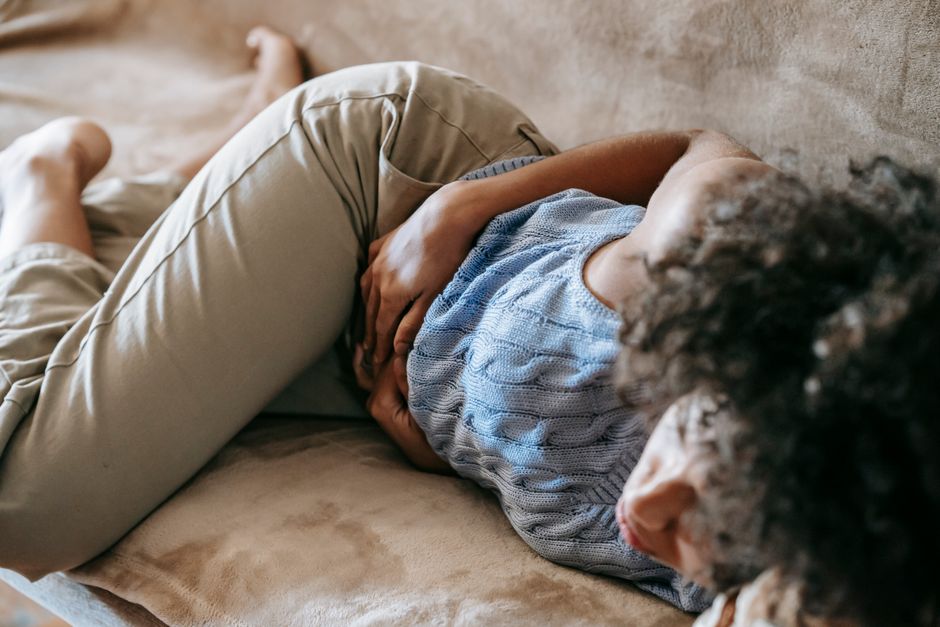
Pain in the lower left side of your back is a common complaint that can range from a dull ache to a sharp, stabbing sensation. It usually involves the muscles, ligaments, or joints in that specific area of your spine, but sometimes the pain originates from an organ inside your abdomen and is simply felt in the back. Understanding the difference between a muscular issue and something more complex is the first step to finding the right relief.
What Organs Are Located in the Lower Left Back Area?
The lower left back is not just bone and muscle. Several internal structures sit in or near this region, and pain can be referred here from these organs. This is why your doctor will often ask about other symptoms, like changes in your digestion or urination, before focusing only on your spine.
The main organs in this area include the left kidney, the lower part of the large intestine (the descending colon and sigmoid colon), and, in women, the left ovary and fallopian tube. The pancreas also sits deep in the abdomen and can sometimes cause pain that radiates to the left side of the back, though this is less common.
Because these organs share nerve pathways with the back, a problem in one can feel like a problem in the other. This is known as referred pain. It is a key reason why a simple explanation of lower left back pain is rarely the whole story.
What Are the Most Common Causes of Lower Left Back Pain?
Most cases of lower left back pain are mechanical. This means the problem is in the musculoskeletal system—the muscles, ligaments, discs, or joints of the spine. These are usually not dangerous and often improve with time and conservative care.
Muscle strain is the most frequent culprit. Lifting something heavy, twisting awkwardly, or sleeping in a bad position can overstretch or tear muscle fibers. The pain is often a dull ache that worsens with certain movements and improves with rest.
Ligament sprains are similar. Ligaments connect bone to bone and can be stretched during sudden movements. Disc problems, such as a bulging or herniated disc, can also cause pain. If the disc presses on a nerve root, you may feel pain that shoots down your leg, which is called sciatica. Joint dysfunction in the spine, often related to arthritis, is another common source of localized pain.
When Is Lower Left Back Pain a Sign of Something Serious?
Most back pain is not an emergency, but some symptoms require immediate medical attention. You should seek urgent care if the pain follows a recent, severe fall or injury, or if it comes with loss of control over your bladder or bowels. Numbness in the groin area or progressive weakness in your legs are also red flags.
If the pain is accompanied by a fever, chills, or unexplained weight loss, this could indicate an infection. A kidney infection, for example, often causes pain in the flank (the side and back) along with fever and painful urination. This requires prompt medical treatment with antibiotics.
In women, sudden, severe pain on one side of the lower back or abdomen could be a sign of an ovarian cyst rupture or an ectopic pregnancy. Both are medical emergencies. If you are pregnant and have any new back or abdominal pain, contact your obstetrician immediately.




How Does Kidney Pain Differ from Muscle Pain?
Kidney pain and muscle pain feel different, and the difference is a useful clue. Kidney pain is typically felt higher up and deeper in the back, under the ribcage, and often to one side of the spine. The pain is usually constant and does not change when you move your body.
Muscle pain, in contrast, is usually lower and more superficial. It tends to change with position—bending, twisting, or standing up can make it worse or better. Pressing on the area often reproduces the pain.
A kidney stone can cause waves of severe pain that come and go. This pain can radiate to the lower abdomen and groin. If you suspect a kidney issue, especially with blood in your urine or a burning sensation when urinating, you should see a doctor rather than trying to stretch it out at home.
What Are the Best Treatment Options for Lower Left Back Pain?
For mechanical back pain, conservative treatment is usually effective. Applying a heating pad or ice pack to the area for 15-20 minutes several times a day can reduce inflammation and ease muscle spasms. Over-the-counter pain relievers like ibuprofen or acetaminophen can help manage discomfort, but you should follow the dosing instructions on the label.
Staying active is important. Complete bed rest for more than a day or two can actually slow recovery and make muscles weaker. Gentle walking and light stretching are generally safe and helpful. Physical therapy is a proven approach for chronic back pain, focusing on strengthening the core muscles that support the spine.
For pain caused by internal organs, treatment depends entirely on the underlying condition. A urinary tract infection requires antibiotics. Digestive issues like diverticulitis may need dietary changes or medication. In these cases, treating the back pain directly will not resolve the problem.
When Should You See a Doctor for Lower Left Back Pain?
You should see a doctor if your pain lasts longer than a few weeks despite home care. You should also seek medical advice if the pain is severe enough to wake you from sleep or if it interferes significantly with your daily activities.
Immediate medical evaluation is needed if the pain is accompanied by any of the red flag symptoms mentioned earlier: fever, numbness, weakness, or loss of bowel or bladder control. Sudden, severe pain that is unlike anything you have felt before also warrants a prompt check-up, especially in older adults or people with a history of cancer.
If you have a history of osteoporosis, a sudden onset of back pain could indicate a vertebral compression fracture. This is a different injury requiring specific medical assessment. Do not assume any new back pain is just a strain, even if you have had back trouble before.
Can You Prevent Lower Left Back Pain?
Prevention focuses on keeping your spine and core strong. Regular exercise that includes both aerobic activity and strength training is the most effective strategy. Strong core muscles—the abdominals and lower back—act as a natural brace for your spine.
Good posture matters, especially if you sit at a desk for long periods. Ensure your chair supports the natural curve of your lower back and that your feet rest flat on the floor. Take breaks to stand and stretch every hour.
When lifting heavy objects, always bend at your knees and keep the object close to your body. Avoid twisting while lifting. Maintaining a healthy weight also reduces stress on the spine. Smoking is a known risk factor for back pain because it reduces blood flow to the spinal discs, so quitting can be a meaningful preventive step.
Frequently Asked Questions
Can gas cause pain in the lower left back?
Yes, trapped gas in the colon can cause sharp pain that radiates to the lower left back. This pain usually passes within a few hours and is often relieved by bowel movements or passing gas.
Is lower left back pain a sign of a heart attack?
It is very unlikely. Heart attack pain is typically felt in the chest, left arm, or jaw, though some people report back pain. If you have chest pressure, shortness of breath, or nausea along with back pain, call emergency services immediately.
How long does a lower left back strain take to heal?
Most muscle strains improve within a few days to two weeks with conservative care. If pain persists beyond three weeks, you should see a doctor to rule out other causes.
Should I use heat or ice for lower left back pain?
Ice is best for the first 48 hours after an acute injury to reduce swelling. After that, heat can help relax tight muscles and improve blood flow. Either can be used for comfort if you do not have an exact injury date.
