

Your blood vessels and organs sit inside a space that is easy to overlook. That space is filled with fluid, gel, fibers, and cells that hold everything in place, feed it, and carry waste away. It is not empty. It is one of the busiest environments in the body.
What is outside of your blood vessels and organs is called the extracellular space. It holds interstitial fluid, a scaffold of proteins, and a mix of immune and structural cells. Together these make up the extracellular matrix and the fluid that surrounds nearly every cell in your body.
This space is not just packing material. It decides how cells talk to each other, how nutrients move, and how the body responds to injury. Understanding it changes how you think about swelling, aging, and why some tissues heal well and others do not.
What Is Outside Of Your Blood Vessels And Organs?
The extracellular space is everything between your cells that is not inside a cell. It has two main parts: a fluid portion and a solid scaffold.
The fluid portion is called interstitial fluid. It looks a lot like blood plasma but with far less protein. It bathes your cells and carries oxygen, nutrients, and signaling molecules to them. It also carries carbon dioxide and waste products away.
The solid portion is the extracellular matrix. This is a mesh of proteins and sugars that gives tissue its shape and strength. Collagen is the most abundant protein in it. Elastin lets tissues stretch and snap back. Other proteins like fibronectin and laminin act like sticky anchors that tell cells where to sit.
Between all of this are cells that live outside the bloodstream. Fibroblasts build the matrix. Immune cells patrol for threats. Fat cells, or adipocytes, sit in the spaces between organs. In some tissues, stem cells wait quietly for a signal to repair damage.
So the answer is not one thing. It is a living, structured environment. It is roughly one-sixth of your body weight in fluid alone, and it touches almost every cell you have.
Why Is Interstitial Fluid So Important?
Interstitial fluid is the delivery system for your cells. Blood vessels do not reach every cell directly. Instead, plasma leaks out of tiny capillaries into the space around cells, and that fluid becomes interstitial fluid.
From there, cells take in what they need. Oxygen, glucose, amino acids, and hormones all pass through this fluid. Waste products like carbon dioxide and urea move back the other way, into the blood or into lymph vessels.
Lymph vessels are the drainage system for this space. They collect excess fluid and return it to the bloodstream. If that drainage slows or blocks, fluid builds up. That buildup is called edema, and it is why ankles swell after long periods of standing or why tissue puffs up around an injury.
The balance matters. Too little fluid and cells cannot get nutrients. Too much and tissue becomes swollen and stiff. Your body keeps this balance through pressure gradients and protein levels in the blood.
One detail many people miss: the composition of interstitial fluid is not the same everywhere. In the brain, it is tightly controlled by a barrier system. In loose connective tissue, it flows more freely. Location changes the rules.
What Does The Extracellular Matrix Actually Do?
The extracellular matrix is the scaffolding that holds your body together. Without it, cells would slide around with no structure. It gives skin its firmness, bones their mineral framework, and cartilage its cushioning.
But it does more than provide support. The matrix sends signals. Cells attach to it through receptors, and those attachments tell the cell whether to grow, stay quiet, or die. This is how tissue keeps its shape and how wounds close.
When you cut your skin, fibroblasts move into the area and lay down new collagen. That collagen becomes the framework for new tissue. Over time, the matrix is remodeled, sometimes leaving a scar.
The matrix also stores growth factors. These are proteins that sit bound to the matrix until they are needed. When tissue is damaged, enzymes release them, and repair begins.
Here is a non-obvious point: the matrix is not static. It is rebuilt constantly. Old collagen is broken down and replaced. In youth, this turnover is balanced. With age, and in some diseases, the balance shifts toward stiffness and less flexibility.




How Does This Space Affect Swelling And Edema?
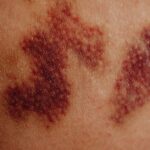
Edema is fluid trapped in the interstitial space. It happens when the normal balance between fluid leaving capillaries and fluid returning through lymph vessels is disrupted.
Several things can tip that balance:
- Higher pressure in capillaries, which pushes more fluid out
- Lower protein levels in blood, which reduces the pull that keeps fluid in vessels
- Blocked or damaged lymph vessels that cannot drain fluid
- Leaky capillary walls from inflammation or injury
Each of these leads to the same result: more fluid in the space outside your cells. That is why heart failure, kidney disease, liver disease, and certain medications can all cause swelling. They affect different parts of the same system.
Edema itself is a sign, not a disease. It tells you something in the balance has changed. Mild swelling after standing is common and usually harmless. Swelling that appears suddenly, affects one leg, or comes with shortness of breath needs medical attention.
What Lives In The Space Between Your Cells?
Besides fluid and matrix proteins, the extracellular space holds a variety of cells. Some are permanent residents. Others move in when needed.
Fibroblasts are the main builders. They produce collagen, elastin, and other matrix components. In some tissues, they take on specialized roles, like storing fat or supporting organ structure.
Immune cells are frequent visitors. Macrophages patrol and clean up debris. Mast cells release histamine during allergic reactions, which is part of why tissues swell. Dendritic cells sample the environment and carry information back to lymph nodes.
There are also stem cells in many tissues. These cells sit in specialized niches within the matrix and wait for signals to divide. When tissue is injured, they can help replace damaged cells. Their activity varies widely by tissue and by age.
This mix of cells and matrix is not random. It is organized. The body maintains it carefully, and when that maintenance fails, disease can follow.
How Does The Extracellular Space Change With Age?
Aging changes the extracellular space in ways that affect how tissue looks and works. Collagen fibers become more cross-linked, which makes tissue stiffer. Elastin breaks down, so skin and blood vessels lose some of their ability to stretch.
Interstitial fluid movement can also slow. Lymphatic drainage becomes less efficient in some people. This can contribute to mild swelling and slower healing.
The matrix also accumulates changes over time. Advanced glycation end products, or AGEs, form when sugars bind to proteins. These compounds make tissue stiffer and are linked to complications in diabetes. They are one reason why long-term blood sugar control matters.
None of this happens at the same rate for everyone. Genetics, lifestyle, and medical conditions all play a role. The changes are gradual and often subtle until they affect function.
Why Does This Space Matter For Your Health?
The extracellular space is where many important processes happen. Nutrient delivery, waste removal, immune defense, and tissue repair all depend on it working well.
When it works, you do not notice it. When it does not, the effects can be serious. Edema, poor wound healing, and tissue stiffness are all signs that the space outside your cells is under strain.
Conditions like fibrosis involve too much matrix. The tissue becomes thick and stiff, which can impair organ function. This happens in the liver, lungs, heart, and kidneys in various diseases.
On the other side, some conditions involve too little matrix or too much breakdown. This can make tissue fragile or slow to repair.
Understanding this space helps explain why treatments for swelling, wound care, and chronic disease often focus on the environment around cells, not just the cells themselves.
Frequently Asked Questions
What is the fluid outside blood vessels called?
It is called interstitial fluid. It comes from blood plasma that filters out of capillaries and bathes the cells in your tissues.
Is the space between cells really empty?
No, it is not empty. It contains fluid, proteins like collagen, and a mix of cells that support and protect your tissues.
What causes fluid to build up outside cells?
Fluid buildup, called edema, happens when more fluid leaves capillaries than lymph vessels can drain. This can result from heart, kidney, or liver problems, or from injury and inflammation.
Does the extracellular matrix change as you age?
Yes, it changes with age. Collagen becomes stiffer, elastin breaks down, and fluid movement can slow, which affects tissue flexibility and healing.
