
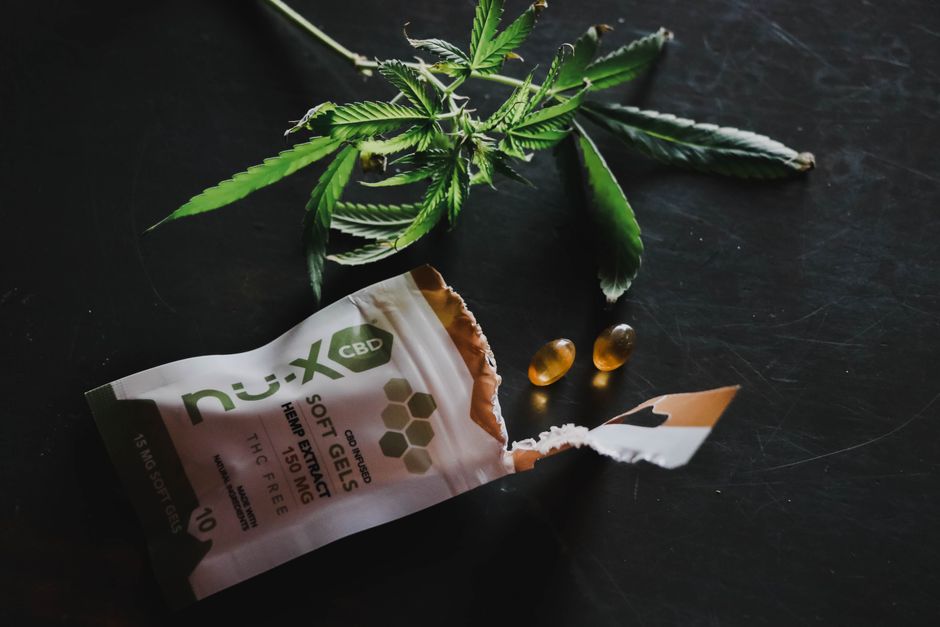
Organic hemp is Cannabis sativa grown under a certified organic system — no synthetic pesticides, fertilizers, or genetically modified organisms — and then processed into fiber, food, oil, and other products. Hemp and marijuana come from the same plant species, but hemp is legally defined in the United States as cannabis containing no more than 0.3% THC on a dry weight basis. That single number is why hemp can be farmed and sold widely while marijuana remains federally controlled.
What Is Organic Hemp How Its Grown And Used?
Hemp is a versatile crop that has been cultivated for thousands of years. The organic label adds a second layer of rules on top of the basic hemp definition. To use the USDA Organic seal, hemp must be grown on land that has followed organic standards for at least three years before harvest. Farmers cannot use most synthetic pesticides or fertilizers, and they cannot plant genetically engineered seed.
Growing organic hemp is genuinely difficult. Hemp is a tall, fast-growing plant that competes well with weeds once established, which helps. But it has real pest problems — aphids, mites, corn earworms, and mold in humid conditions. Organic growers rely on crop rotation, beneficial insects, and approved biological sprays instead of conventional chemicals. Because hemp pulls heavy metals and other contaminants from soil, organic certification also gives buyers some assurance about what is not in the final product.
What hemp becomes depends on which part of the plant is used:
- Stalk fiber — used in textiles, rope, paper, building materials like hempcrete, and composites
- Hurd (inner woody core) — used in animal bedding, construction, and industrial absorbents
- Seeds — hulled for food (hemp hearts), pressed for oil, or ground into protein powder
- Flowers and leaves — used to extract CBD and other cannabinoids
One clarification that matters: hemp seed and hemp oil sold as food contain little to no THC and no meaningful CBD. They are nutritional products, not intoxicating ones. CBD products are a separate category extracted from flowers and leaves.
Is Hemp the Same as Marijuana?
No. Hemp and marijuana are the same species, Cannabis sativa L., but they are bred and regulated differently. The distinction is chemical, not botanical. Hemp is defined by law as cannabis with 0.3% or less THC by dry weight. Marijuana is cannabis above that threshold.
THC is the compound primarily responsible for the psychoactive “high.” Hemp’s low THC content means it does not produce that effect in any practical sense. Hemp plants are typically bred for fiber, seed yield, or CBD content rather than THC. Marijuana plants are bred for high THC.
The 0.3% figure comes from the 2018 Farm Bill, which removed hemp from the Controlled Substances Act and made it an agricultural commodity. That legal line is somewhat arbitrary from a plant biology standpoint — it is a regulatory cutoff, not a natural dividing point. A hemp plant that tests slightly above 0.3% THC is legally treated as marijuana in most jurisdictions, which has caused real problems for farmers whose crops test “hot.”
What Does the Organic Label Actually Require?
USDA Organic certification is a legal standard, not a marketing term. For hemp, it means the crop was grown on certified land, without prohibited synthetic substances, and without genetically modified seed. The farm is inspected annually, and records must trace the product from field to sale.
There is no separate “organic hemp” standard beyond the general USDA Organic rules. Hemp is treated like any other organic crop. This matters because some hemp products carry labels like “natural” or “clean” that have no legal definition. Only the USDA Organic seal carries third-party verification.
One important limit: organic certification covers how the plant is grown, not what happens after. An organic hemp plant can still be processed into a product with additives, solvents, or contaminants that fall outside organic rules. If a CBD oil is labeled organic, that generally means the hemp was organically grown — not necessarily that the entire extraction and formulation process was.
Is Organic Hemp Better Than Conventional Hemp?
The evidence here is mixed, and it depends on what you mean by “better.”
For environmental impact, organic farming generally reduces synthetic pesticide and fertilizer use, which can benefit soil and water. But organic hemp yields are often lower, and the crop still requires land, water, and labor. The net environmental picture is not as simple as “organic equals better.”
For nutritional content, the research on organic versus conventional crops is genuinely mixed. Some studies suggest organic produce can have slightly higher levels of certain antioxidants and lower pesticide residues. Other nutrients show little consistent difference. For hemp seed specifically, there is no strong body of evidence showing organic versions are nutritionally superior to conventional ones.
For contaminant risk, organic certification offers more assurance. Hemp is known to take up heavy metals from soil, and testing requirements under organic rules can reduce that risk. This is one area where the organic label may carry real practical value for consumers.
What organic certification does not guarantee: that a product is effective, safe in all situations, or worth a higher price. Those are separate questions.
What Is Hemp Used For Today?
Hemp has three main commercial uses, and they are worth separating because they involve different plant parts and different regulatory paths.
Food. Hemp seeds and hemp hearts are sold as food. They contain protein, fiber, and a favorable ratio of omega-6 to omega-3 fatty acids. Hemp seed oil is used in cooking and skincare. These products are regulated as food, and their nutritional content is well documented.
Fiber and materials. Hemp stalk fiber goes into textiles, rope, paper, insulation, and building materials. Hempcrete, a mix of hemp hurd and lime, is used in construction in some countries. These uses are industrial, not medical.
Cannabinoid extracts. CBD and other cannabinoids are extracted from hemp flowers and leaves. This is the most commercially visible category and also the most loosely regulated. The FDA has not approved CBD as a dietary supplement, and the evidence for most CBD claims outside of specific epilepsy syndromes is limited.
Hemp is also used in animal feed, cosmetics, and biofuels, though these markets are smaller and face their own regulatory hurdles.
What Should You Know Before Buying Hemp Products?
The hemp market is crowded and uneven. Some products are carefully made. Others make claims that no trial has confirmed.
A few practical points:
- Check for third-party testing. Reputable CBD and hemp extract products publish lab results showing cannabinoid content and contaminant screening.
- Know what you are buying. Hemp seed oil and CBD oil are not the same product. Hemp seed oil contains no meaningful CBD.
- Be skeptical of health claims. No large human trials have confirmed that CBD treats most of the conditions it is marketed for. The clearest evidence is for specific, rare forms of epilepsy, where a prescription CBD product has been approved.
- Talk to a clinician if you take medication. CBD can interact with certain drugs, including some blood thinners and anti-seizure medications. This is a real concern, not a theoretical one.
Organic certification is a useful signal for how hemp was grown. It is not a signal that a product works or is right for you.
Frequently Asked Questions
Is organic hemp the same as CBD?
No. Organic hemp refers to how the plant was grown, while CBD is a compound extracted from hemp flowers and leaves. Hemp can be organic and contain no meaningful CBD, and CBD can be sold without any organic certification.
Does hemp get you high?
No. Hemp is legally defined as cannabis with 0.3% or less THC, which is far too low to produce a psychoactive effect. Marijuana, the same species with higher THC, is what produces a high.
Is organic hemp safer than regular hemp?
Organic certification reduces the risk of synthetic pesticide residues and adds testing requirements, which may lower contaminant exposure. The evidence does not show that organic hemp is nutritionally superior or more effective for any health purpose.
Can you eat hemp seeds every day?
Hemp seeds are a food and can be eaten regularly as part of a balanced diet. There is no established daily limit for general consumption, but anyone with a medical condition or taking medication should check with a clinician before making it a staple.
