
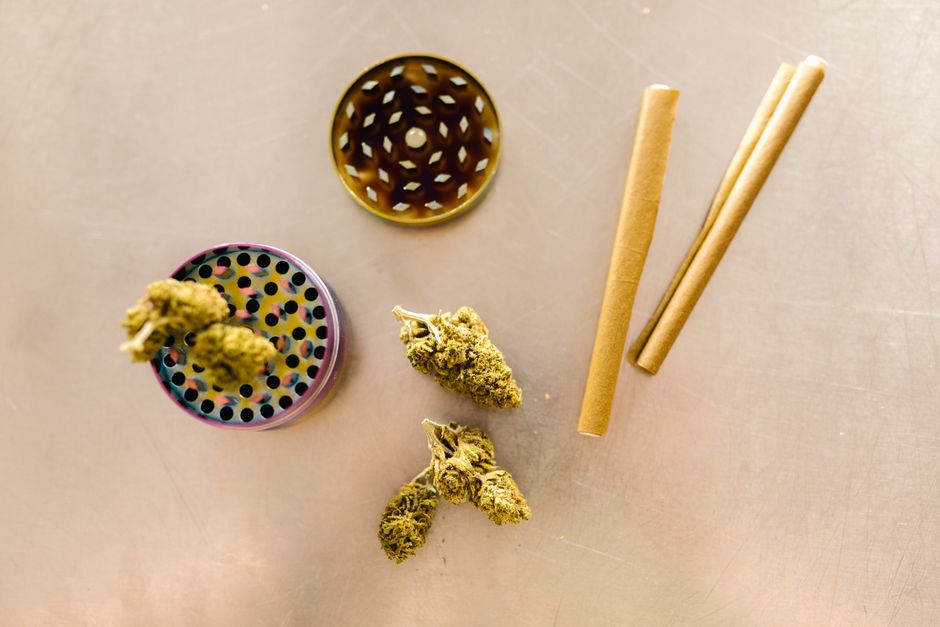
Smoking hemp is not the same as smoking marijuana, and the difference matters more than most people realize. Hemp is a variety of Cannabis sativa legally defined in the United States as containing no more than 0.3% tetrahydrocannabinol (THC) on a dry weight basis. That means the plant material you smoke will not produce the intoxicating high associated with marijuana, but it can still produce effects — some pleasant, some uncomfortable. How you smoke it, how much you use, and what you expect going in all shape the experience.
What Actually Happens When You Smoke Hemp?
When you inhale hemp smoke, cannabinoids and other plant compounds cross from your lungs into your bloodstream within seconds to minutes. This is the fastest route of delivery for any cannabis plant material, faster than eating it or using a tincture under the tongue.
The compounds in hemp — primarily cannabidiol (CBD), along with trace amounts of THC and various terpenes — interact with your body’s endocannabinoid system. CBD does not bind directly to CB1 receptors the way THC does. Instead, it interacts with several other targets, including serotonin receptors and vanilloid receptors, and it can influence how other cannabinoids affect you. This is why hemp smoke does not feel like marijuana smoke.
What most people report after smoking hemp is a mild sense of calm or relaxation. Some notice reduced tension. Others feel very little at all. Individual responses vary considerably, and the research on smoked hemp specifically is thin. Most CBD studies have used oral products, not inhaled flower. So when someone tells you exactly what smoked hemp will do for you, they are usually describing their own experience, not a documented outcome.
How To Smoke Hemp: Choosing Methods And What To Expect
There are several ways to smoke hemp flower, and each method changes the experience in practical ways — how hot the smoke gets, how much you inhale at once, and how much control you have over the dose.
Joints and pre-rolled cones. This is the simplest method. You grind the flower, roll it in paper, light one end, and inhale. The paper burns continuously, so you get a steady stream of smoke. The downside is that you cannot easily stop mid-joint without wasting material, and the smoke temperature rises as the joint burns down.
Pipes and one-hitters. A small pipe lets you pack a single dose and smoke it in one or two draws. This gives you more control than a joint. One-hitters are exactly what they sound like — a small tube that holds enough for one inhalation. Many people new to hemp start here because the dose is small and easy to manage.
Water pipes and bubblers. These pass smoke through water before it reaches your mouth. The water cools the smoke and can filter out some particulate matter. It does not remove cannabinoids to any meaningful degree, and it does not make smoking safe. It simply changes the physical experience of inhaling.
Dry herb vaporizers. These devices heat flower to a temperature below the point of combustion. You inhale vapor rather than smoke. Many people find this easier on the throat and lungs. It is not risk-free — heating plant material still produces some irritants — but it avoids the tar and carbon monoxide that come with burning. If you want to smoke hemp but are concerned about smoke exposure, this is the method most clinicians would point to as the lesser exposure route. That said, no long-term studies have compared health outcomes between hemp smokers and hemp vapers.
| Method | Dose Control | Smoke Temperature | Ease for Beginners |
|---|---|---|---|
| Joint / pre-roll | Low | Rises as it burns | Moderate |
| Pipe / one-hitter | High | Moderate to high | Easy |
| Water pipe | Moderate | Cooler | Moderate |
| Dry herb vaporizer | High | Low (no combustion) | Easy |
Does Smoking Hemp Get You High?
No. The THC content in legal hemp is too low to produce intoxication in most people. The legal threshold is 0.3% THC by dry weight, which is a fraction of what you would find in marijuana flower.
That said, “no high” does not mean “no effect.” Some users report mild relaxation, slight mood elevation, or a gentle body sensation. Others feel nothing. A small number of people report feeling anxious or slightly uncomfortable, particularly with higher doses or certain strains. CBD can have biphasic effects — meaning low doses and high doses can produce different, sometimes opposite, responses. This is well documented in pharmacology generally, though the exact dose thresholds for smoked hemp are not established.
There is also the question of THC accumulation. If you smoke a large amount of hemp flower, you could theoretically take in enough THC to feel something, especially if you are sensitive or have a low tolerance. This is uncommon but not impossible. It is one reason dose control matters.




What Are the Risks of Smoking Hemp?
Smoking anything — hemp, marijuana, tobacco, or herbs — exposes your lungs to combustion products. These include tar, carbon monoxide, and fine particulate matter. The risks of chronic smoke inhalation are well established: airway irritation, chronic cough, and increased risk of respiratory infections. Whether smoked hemp carries the same long-term risks as smoked tobacco has not been directly studied, and it would be inaccurate to claim it is safe simply because it lacks nicotine.
Nicotine is not the only harmful component of cigarette smoke. The combustion itself creates many of the toxic compounds. So while hemp smoke does not contain nicotine, it does contain many of the same combustion byproducts.
Other considerations:
- Interaction with medications. CBD can affect how your body metabolizes certain drugs, particularly those processed by cytochrome P450 enzymes. This includes some blood thinners, anti-seizure medications, and others. If you take prescription medication, talk to your doctor before using hemp in any form.
- Lung sensitivity. If you have asthma, COPD, or any chronic lung condition, inhaling smoke can worsen symptoms. This is not a theoretical concern.
- Pregnancy and breastfeeding. No clinical guidelines currently exist for cannabis or hemp use during pregnancy or breastfeeding. The general clinical direction is to avoid it, because the effects of cannabinoids on fetal and infant development are not well understood.
- Legal and quality variability. Hemp products are not uniformly regulated. Contaminants such as pesticides, mold, or heavy metals have been found in some products. Buying from a source that provides third-party lab testing reduces this risk but does not eliminate it.
How Much Should You Smoke and What Should You Expect?
There is no standard dose for smoked hemp. No clinical guidelines establish a recommended amount, and the amount of CBD or other cannabinoids you actually absorb depends on how deeply you inhale, how long you hold it, and the potency of the flower.
What is reasonable: start with one small inhalation and wait. The effects of inhaled cannabinoids typically appear within minutes. If you feel nothing after 10 to 15 minutes, you can try another small amount. This is the same principle used with any inhaled substance — you can always add more, but you cannot take less once it is in.
What to expect in terms of duration: inhaled effects generally peak within 10 to 30 minutes and taper off over one to three hours. This is shorter than edible forms, which can last four to six hours or more. The shorter duration is one reason some people prefer smoking or vaping — it gives them more control over how long the experience lasts.
Do not expect dramatic effects. Hemp is not a potent drug in the way marijuana is. Most users describe the experience as subtle. If you are looking for significant relief from a medical condition, smoked hemp is unlikely to provide it at the level a pharmaceutical would. Some research supports CBD for specific conditions like certain forms of epilepsy, but those studies used high-dose oral formulations under medical supervision, not smoked hemp flower.
Is Smoking Hemp Safer Than Smoking Marijuana?
In terms of intoxication and impairment, yes — hemp will not get you high the way marijuana will. In terms of lung health, the comparison is less clear. Both involve burning plant material and inhaling the smoke. The combustion products are similar.
The main difference is THC content, which affects psychoactive risk, not respiratory risk. If you are asking whether hemp smoke is harmless, the answer is no. If you are asking whether it is less impairing than marijuana, the answer is generally yes.
For people who want the potential benefits of cannabinoids without smoke exposure, oral CBD products, tinctures, or edibles avoid the respiratory risks entirely. The trade-off is slower onset and sometimes inconsistent absorption. But from a lung-health perspective, not smoking is always the lower-risk choice.
Frequently Asked Questions
Does smoking hemp make you fail a drug test?
It can. Hemp contains trace THC, and regular use can lead to detectable levels in urine. If you are subject to drug testing, any cannabis product carries some risk.
How long do the effects of smoked hemp last?
Inhaled effects typically peak within 10 to 30 minutes and fade over one to three hours. This is shorter than edible forms, which can last four to six hours or longer.
Can you overdose on hemp?
No fatal overdose from cannabis or hemp has been documented in the medical literature. However, high doses can cause unpleasant effects like anxiety, nausea, or dizziness.
Is it legal to smoke hemp in the US?
Hemp with less than 0.3% THC is legal at the federal level, but state and local laws vary. Some states restrict or ban smoked hemp products even where hemp is otherwise legal.
