
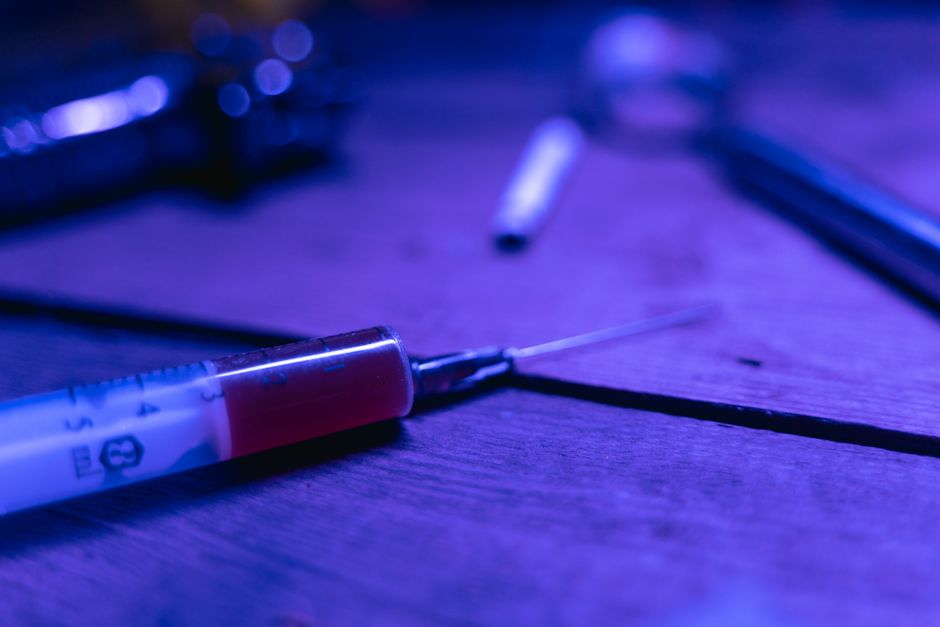
Opioid addiction is a chronic medical condition where a person becomes physically and psychologically dependent on opioid drugs, leading to compulsive use despite harmful consequences. It changes how the brain responds to pain and reward, making it extremely difficult to stop without help. Treatment exists and works, but it requires a combination of medication, counseling, and long-term support. Recognizing the signs early and understanding the risks can make a critical difference in getting the right care.
What Is Opioid Addiction Signs? Risks And Treatment
Opioid addiction develops when repeated use of drugs like oxycodone, hydrocodone, morphine, fentanyl, or heroin alters the brain’s reward system. These drugs bind to opioid receptors in the brain, blocking pain signals and releasing large amounts of dopamine. Over time, the brain adapts to the drug’s presence and needs higher doses to feel the same effect. This is called tolerance.
When the brain becomes dependent on the drug to function normally, stopping it triggers withdrawal symptoms. Addiction goes beyond physical dependence. It includes compulsive drug-seeking behavior, continued use despite harm, and loss of control over use. The American Psychiatric Association classifies opioid use disorder as a treatable brain disease, not a moral failing.
What Are the Early Signs of Opioid Addiction?
Early signs are often subtle. A person may seem unusually drowsy, have pinpoint pupils, or show slowed breathing. They might alternate between periods of intense sleep and alertness. Constipation is a common early symptom because opioids slow the digestive tract.
Behavioral changes are frequently the first red flags. Someone may withdraw from family and friends, lose interest in hobbies, or neglect responsibilities at work or home. They may spend unusual amounts of time seeking prescriptions, visit multiple doctors, or borrow medication from others. Financial problems and secretive behavior often follow.
Mood changes are also common. Irritability, anxiety, and depression can appear as the drug wears off and withdrawal begins. A person may become defensive when questioned about their medication use.
What Are the Physical and Psychological Signs?
Physical signs of opioid addiction include:
- Drowsiness or nodding off at inappropriate times
- Slurred speech and slowed movements
- Constipation and nausea
- Itching or flushed skin
- Weight loss from poor appetite
- Track marks or infections at injection sites
- Frequent flu-like symptoms during withdrawal
Psychological signs include intense cravings for the drug, anxiety about running out of medication, and obsessive thinking about obtaining opioids. Depression and irritability are common, especially between doses. Many people experience denial, believing they can stop anytime even when evidence shows otherwise.
Withdrawal symptoms confirm physical dependence. These include muscle aches, sweating, runny nose, diarrhea, abdominal cramping, and severe restlessness. Psychological withdrawal involves intense anxiety, agitation, and drug cravings. Withdrawal is rarely life-threatening on its own, but it is extremely uncomfortable and drives many people back to using.




What Are the Major Risks of Opioid Addiction?
The most serious risk is fatal overdose. Opioids suppress the brain’s respiratory drive, slowing breathing until it stops. This is why naloxone, an opioid reversal medication, is carried by first responders and increasingly available in pharmacies without a prescription.
Overdose signs include unresponsiveness, slowed or absent breathing, limp body, pale or clammy skin, and pinpoint pupils. If you suspect an overdose, call emergency services immediately. Naloxone can reverse the effects within minutes when administered promptly.
Long-term health risks include chronic constipation, weakened immune function, and hormonal imbalances that can reduce libido and cause fatigue. Injection drug use carries additional risks of infections like HIV and hepatitis C from shared needles, as well as bacterial infections in the heart and bloodstream.
Untreated opioid addiction also increases risks of job loss, homelessness, legal problems, and relationship breakdown. The financial cost of sustaining an addiction often leads to desperate measures, including illegal activity.
How Is Opioid Addiction Treated?
Medication-assisted treatment is the gold standard for opioid use disorder. Three medications are approved by the FDA: methadone, buprenorphine, and naltrexone. These medications reduce cravings and withdrawal symptoms, allowing a person to focus on recovery.
Methadone is a long-acting full opioid agonist that prevents withdrawal and reduces cravings. It is dispensed daily at certified clinics. Buprenorphine is a partial agonist that produces less euphoria and has a ceiling effect, making it safer in overdose. It can be prescribed by certified physicians and taken at home. Naltrexone blocks opioid receptors entirely, so using opioids produces no effect. It is available as a daily pill or a monthly injection.
Behavioral counseling is an essential component of treatment. Cognitive-behavioral therapy helps people identify triggers and develop coping strategies. Contingency management uses incentives to reinforce abstinence. Family therapy addresses relationship patterns that may support addiction.
Treatment plans should be individualized. Some people need medically supervised detoxification first, but detox alone is rarely sufficient for long-term recovery. The highest success rates come from combining medication with counseling and ongoing support.
How Long Does Treatment Take?
There is no fixed timeline for recovery. Some people remain on maintenance medications like methadone or buprenorphine for years or indefinitely. Others taper off after a period of stability. The evidence indicates that longer treatment duration is associated with better outcomes.
Relapse is common and should not be viewed as failure. Opioid addiction is a chronic condition similar to diabetes or hypertension. Relapse rates range from 40 to 60 percent, comparable to other chronic diseases. The goal is not perfection but sustained progress.
Can Opioid Addiction Be Prevented?
Prevention starts with careful prescribing. Clinicians should screen patients for substance use history before prescribing opioids for pain. Non-opioid alternatives should be considered first for many types of pain. When opioids are necessary, they should be prescribed at the lowest effective dose for the shortest duration possible.
Patients should never share prescription opioids with others. Unused medications should be disposed of through drug take-back programs rather than kept in medicine cabinets. Community distribution of naloxone has been shown to reduce overdose deaths.
Early intervention matters. If you recognize signs of addiction in yourself or someone else, seek help before the situation escalates. Primary care physicians can screen for opioid use disorder and refer to specialty treatment.
Where Can People Find Help?
Treatment is available through multiple channels. Primary care physicians can prescribe buprenorphine after completing a training requirement. Opioid treatment programs offer methadone and comprehensive services. Many states have 24-hour helplines that connect callers with local treatment options.
The Substance Abuse and Mental Health Services Administration operates a national helpline that provides free, confidential information and referral services. This helpline is available 24 hours a day, 7 days a week, 365 days a year. Calls are confidential and do not require insurance.
For uninsured individuals, federally funded health centers and community clinics offer sliding-scale fees. Some states have expanded Medicaid coverage for addiction treatment. Financial barriers should not prevent anyone from seeking help, and treatment providers are often experienced in navigating insurance and payment options.
Frequently Asked Questions
How quickly does opioid addiction develop?
Opioid addiction can develop within weeks of regular use, though the timeline varies by individual and drug potency. Some people develop dependence after just a few weeks of prescribed use, while others may use for months before addiction develops.
Can someone die from opioid withdrawal?
Opioid withdrawal itself is rarely fatal, but it can be extremely uncomfortable and may cause dangerous complications in people with underlying health conditions. The greater danger is relapse during withdrawal, which often leads to overdose because tolerance drops quickly.
Is medication for opioid addiction replacing one addiction with another?
No. Methadone and buprenorphine are FDA-approved treatments that normalize brain function and allow people to rebuild their lives. They are not prescribed to produce euphoria but to prevent withdrawal and reduce cravings.
What should I do if I suspect someone is overdosing?
Call 911 immediately and administer naloxone if available. Place the person on their side to prevent choking, and stay with them until emergency services arrive.
