
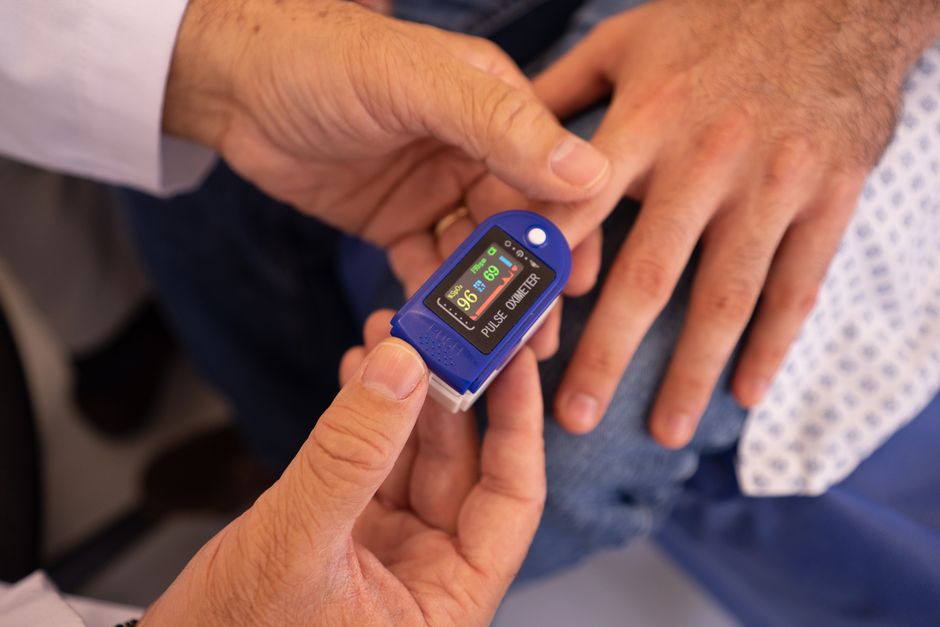
A normal resting pulse rate for adults is 60 to 100 beats per minute. That range comes from the American Heart Association and applies to healthy adults at rest. Your pulse is simply your heartbeat felt through an artery, and it reflects how fast your heart is pumping blood to the body. Many things move it up and down during the day, and most of those shifts are normal.
What Is Normal Pulse Rate and How Is It Measured?
Your pulse rate is the number of times your heart beats in one minute. Each beat pushes blood out of the heart and into the arteries. You can feel that surge at several points on the body where an artery runs close to the skin.
The most common spot is the wrist, on the thumb side. Place two fingers there and press lightly until you feel a steady tap. Count the beats for 30 seconds and multiply by two, or count for a full minute for accuracy. The neck, inside of the elbow, and top of the foot also work.
Do not use your thumb to take a pulse. The thumb has its own pulse that can be mistaken for yours.
A pulse check tells you two things: how fast the heart is beating and whether the rhythm is steady. A normal pulse feels regular, with even spacing between beats. An irregular pulse, where beats come early or seem to skip, is worth mentioning to a doctor.
Resting pulse is measured when you have been sitting or lying still for several minutes. That is the number that compares to the 60 to 100 range. A pulse taken right after climbing stairs or during an argument will be higher, and that is expected.
What Affects Your Pulse Rate?
Pulse rate responds to what your body needs at any given moment. When you exercise, your muscles need more oxygen, so the heart speeds up. When you sleep, demand drops and the heart slows. This is normal regulation, not a sign of anything wrong.
Common things that raise resting pulse include:
- Fever and infection
- Dehydration
- Stress, anxiety, or pain
- Caffeine and some cold medicines
- Anemia, meaning low red blood cells
- An overactive thyroid
Things that can lower resting pulse include regular endurance exercise, some blood pressure medications, and an underactive thyroid. A slow pulse in a fit person is often a sign of a strong heart that pumps more blood with each beat.
Age matters too. A newborn’s pulse can run 100 to 160 beats per minute. By the teenage years it settles toward the adult range. Older adults often sit at the lower end of normal.
One detail people miss: a pulse that is normal at rest can still be abnormal in rhythm. Rate and rhythm are separate things. A pulse of 72 beats per minute that feels uneven is not the same as a steady 72.
When Is a Pulse Rate Too Fast or Too Slow?
A resting pulse above 100 beats per minute in adults is called tachycardia. Below 60 is called bradycardia. These are medical terms based on the resting number, not a pulse taken during activity.
A fast resting pulse can come from fever, dehydration, anxiety, thyroid problems, or heart rhythm issues. It can also be a side effect of certain medications. In some cases no cause is found and the heart simply runs faster than average.
A slow resting pulse is common in trained athletes and may be normal for them. In other people, a slow pulse can signal a problem with the heart’s electrical system. The key question is whether it causes symptoms.
Warning signs that need medical attention include fainting, near-fainting, chest pain, severe shortness of breath, or a pulse that feels very fast and irregular at the same time. These are reasons to seek care promptly, not to wait and see.
A pulse that is too fast or too slow does not always mean something is wrong. It means the number is outside the typical resting range and deserves a look, especially if it comes with symptoms.




What Is a Normal Pulse Rate During Exercise?
During exercise, a higher pulse is expected and healthy. The heart needs to deliver more oxygen to working muscles, so it beats faster. There is no single normal number during exercise because it depends on your age, fitness, and how hard you are working.
A common way to estimate a maximum heart rate is to subtract your age from 220. For a 50-year-old, that gives about 170 beats per minute. This is a rough estimate, not a precise measurement, and individual results vary widely. The formula can be off by 10 to 15 beats for any given person.
Target heart rate zones for moderate activity are often described as a percentage of that estimated maximum. These ranges are used as general guidance, not strict rules. The talk test is simpler: if you can talk but not sing during activity, you are likely in a moderate zone.
What matters more than any single number is how quickly your pulse returns to normal after you stop. A heart that recovers faster generally reflects better fitness. A pulse that stays high long after exercise ends is worth discussing with a doctor.
Does a Lower Resting Pulse Mean Better Health?
In general, a lower resting pulse among fit adults is linked to better cardiovascular fitness. Endurance training makes the heart stronger, so it pumps more blood per beat and needs fewer beats per minute. Many well-trained athletes have resting pulses in the 40s or 50s.
But a low pulse is not automatically a sign of health. In someone who is not fit, a resting pulse under 60 can point to a heart rhythm problem, an underactive thyroid, or a medication effect. Context is everything.
The evidence linking resting heart rate to long-term health is suggestive but not simple. Some large studies have found that a higher resting pulse is associated with greater cardiovascular risk. Association is not the same as cause. A high resting pulse may be a marker of other issues rather than the problem itself.
Do not try to lower your resting pulse through unproven methods. Regular physical activity is the most reliable way to improve cardiovascular fitness, and a lower resting pulse often follows. No supplement has been shown to lower resting heart rate in a meaningful, lasting way.
How Do You Check Your Pulse Correctly?
Getting an accurate reading takes a minute of care. Sit quietly for at least five minutes first. Then find your pulse and count.
- Use two fingers, not your thumb
- Press gently until you feel a steady beat
- Count for a full 60 seconds for the most accurate number
- Note whether the rhythm feels even or irregular
- Write down the number and the time of day
Home blood pressure monitors and fitness trackers often show pulse too. Wrist-worn devices can be less accurate during movement or for people with certain circulation issues. For a reliable resting number, a manual check is still the standard.
If you check your pulse regularly and notice it drifting up or down over weeks without a clear reason, mention it at your next doctor visit. A single reading rarely means much on its own. A pattern over time is more useful.
When Should You Talk to a Doctor About Your Pulse?
Talk to a doctor if your resting pulse is consistently above 100 or below 60 and you are not a trained athlete. Also seek care if you have a pulse that feels irregular, or if you notice fluttering, pounding, or a sense of skipped beats.
Get medical help right away for a pulse problem combined with fainting, chest pain, or trouble breathing. These symptoms together can signal a serious heart issue.
For most people, an occasional fast or slow reading is not a concern. The body adjusts pulse constantly in response to activity, stress, temperature, and hydration. What matters is the resting baseline and whether symptoms come with it.
Your doctor can check your pulse, listen to your heart, and order tests if needed. A simple electrocardiogram, which records the heart’s electrical activity, can show rhythm problems that a pulse check alone cannot detect.
Frequently Asked Questions
What is a normal pulse rate for adults?
A normal resting pulse for adults is 60 to 100 beats per minute. This range applies when you are sitting or lying still and have not recently exercised.
Is a pulse of 55 too low?
A resting pulse of 55 can be normal in fit adults and athletes, but it may signal a problem in others. If it comes with dizziness, fatigue, or fainting, see a doctor.
Why is my pulse high when I wake up?
A higher morning pulse can come from dehydration, stress, fever, or certain medications. If it stays above 100 at rest, it is worth a medical check.
Can anxiety raise your pulse rate?
Yes, anxiety triggers the release of stress hormones that speed up the heart. A fast pulse from anxiety is usually temporary and settles when the stress passes.
