
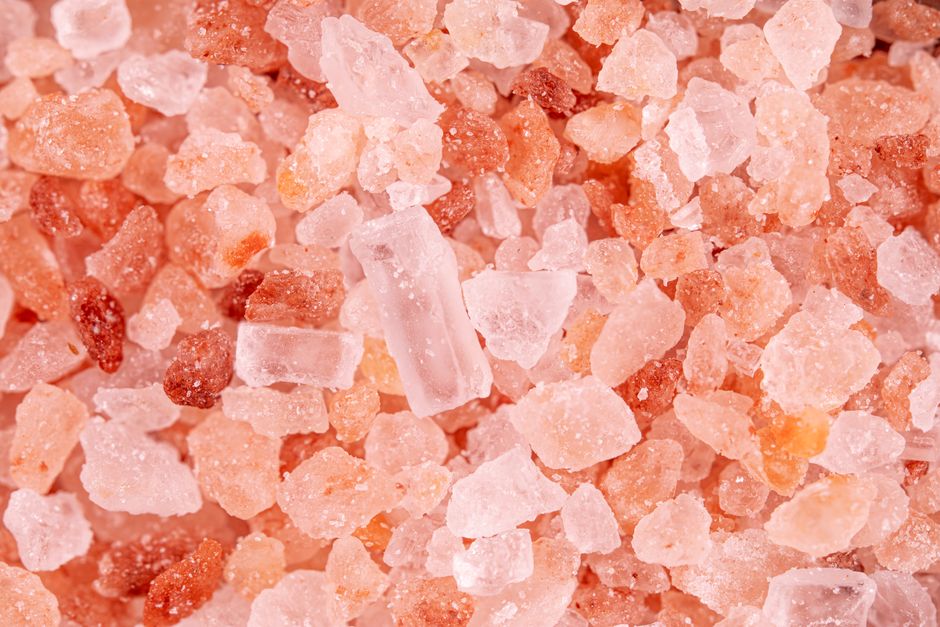
Non iodized salt is simply salt that has not been fortified with iodine. Table salt often has iodine added to prevent iodine deficiency, which can cause thyroid problems. Non iodized salt is just sodium chloride in its natural or processed form without that extra mineral. It is the same salt your grandparents likely used before iodine was added to table salt in the 1920s.
Many people assume all salt is the same. It is not. The difference matters for your health, especially if you have a thyroid condition or follow a specific diet. Sea salt, kosher salt, pink Himalayan salt, and pickling salt are all common types of non iodized salt. Each has a slightly different texture and mineral content, but none have added iodine.
What Is the Difference Between Iodized and Non Iodized Salt?
The only real difference is iodine. Iodized salt has potassium iodide or sodium iodide added during processing. The amount is small — about 45 micrograms per gram of salt in the United States according to the FDA. That is enough to prevent goiter and other iodine deficiency disorders for most people.
Non iodized salt has none of that added iodine. It is just salt. If you buy sea salt, kosher salt, or fancy pink salt from the store, you are almost certainly buying non iodized salt. Some specialty salts may contain trace minerals like magnesium or calcium naturally, but that is not the same as added iodine.
The taste difference is minor. Some people claim iodized salt has a slight chemical aftertaste. Studies have not confirmed this in blind taste tests. Most people cannot tell the difference in cooked food. In raw applications like finishing salt on a steak, the texture matters more than the iodine content.
Who Should Use Non Iodized Salt?
People with certain thyroid conditions often need non iodized salt. If you have Hashimoto’s thyroiditis or Graves’ disease, your doctor may recommend limiting iodine intake. Too much iodine can make these autoimmune conditions worse. The American Thyroid Association notes that people with these conditions should avoid iodine supplements and may benefit from non iodized salt.
People on a low sodium diet for medical reasons also use non iodized salt. Some low sodium salt substitutes contain potassium chloride instead of sodium chloride. These are almost always non iodized. If you have kidney disease or take certain blood pressure medications, check with your doctor before using potassium-based salt substitutes.
Home canners and picklers prefer non iodized salt. Iodine can react with the foods being preserved and cause discoloration or off flavors. Pickling salt is a fine grained non iodized salt designed specifically for this purpose. It dissolves quickly and does not cloud the brine.
Some people choose non iodized salt simply because they get enough iodine from food. Fish, dairy, eggs, and seaweed are all good sources of iodine. If your diet includes these foods regularly, you may not need iodized salt. The National Institutes of Health reports that most Americans get adequate iodine from their diet without relying on iodized salt.
Does Non Iodized Salt Have Health Risks?
The main risk of using only non iodized salt is iodine deficiency. This is rare in the United States because iodine is added to many processed foods. Bread, milk, and commercial baked goods often contain iodized salt or other iodine sources. But it is still possible if you eat a whole foods diet with no processed foods and use only non iodized salt at home.
Iodine deficiency can cause goiter — an enlarged thyroid gland. In pregnant women, it can cause serious developmental problems in the baby. The World Health Organization considers iodine deficiency a major preventable cause of brain damage worldwide. This is why many countries mandate iodized salt.
For most healthy adults, switching between iodized and non iodized salt does not cause problems. Your body stores some iodine in the thyroid gland. It can take weeks or months of low iodine intake before deficiency symptoms appear. A 2019 study in the Journal of Nutrition found that even people who used non iodized salt exclusively still had adequate iodine levels if they ate dairy or seafood regularly.
People with kidney disease need to be careful with any salt. Non iodized salt still contains sodium. High sodium intake raises blood pressure and stresses the kidneys. The American Heart Association recommends no more than 2,300 milligrams of sodium per day for most adults, and ideally 1,500 milligrams for people with high blood pressure.




What Types of Non Iodized Salt Are Available?
Sea salt is the most common non iodized salt. It comes from evaporated seawater and contains trace minerals like magnesium, calcium, and potassium. The amount varies by source. Celtic sea salt has a gray color from clay minerals. Fleur de sel is a delicate French sea salt harvested by hand. These minerals add subtle flavor differences but have no meaningful health benefit over regular salt.
Kosher salt has large, irregular flakes that make it easy to pinch. It is called kosher salt because it is used in the koshering process to draw blood from meat. Most brands of kosher salt are non iodized. Diamond Crystal and Morton are the two most common brands in US grocery stores. Diamond Crystal has a lighter, flakier texture because of its unique crystallization process.
Pink Himalayan salt comes from ancient sea beds in Pakistan. Its pink color comes from iron oxide and other trace minerals. It is often marketed as healthier than regular salt. There is no clinical evidence supporting these claims. A 2018 study in the Journal of Hypertension found that pink salt contains slightly more minerals than table salt, but the amounts are too small to matter for health. You would need to eat dangerous amounts of salt to get meaningful mineral intake.
Pickling salt is pure sodium chloride with no additives. It has fine grains that dissolve quickly in brine. It does not contain anti caking agents, which can make pickling liquid cloudy. Canning salt is the same thing under a different name.
Black salt, also called kala namak, is a volcanic rock salt from India. It has a sulfurous smell and taste from iron compounds. It is used in vegan cooking to mimic egg flavor. It is non iodized.
| Type | Source | Key Feature | Common Use |
|---|---|---|---|
| Sea salt | Evaporated seawater | Trace minerals, variable texture | Cooking, finishing |
| Kosher salt | Underground deposits | Large flakes, easy to pinch | General cooking, koshering |
| Pink Himalayan | Ancient sea beds | Pink color, trace minerals | Finishing, decorative |
| Pickling salt | Underground deposits | Fine grain, no additives | Canning, pickling |
| Black salt | Volcanic rock | Sulfurous smell | Vegan cooking |
How Much Non Iodized Salt Should You Use?
There is no specific recommendation for non iodized salt intake. The sodium guidelines apply regardless of whether your salt has iodine. The Dietary Guidelines for Americans recommend limiting sodium to 2,300 milligrams per day. That is about one teaspoon of salt total from all sources.
Most Americans exceed this amount. The CDC reports that the average US adult consumes about 3,400 milligrams of sodium per day. About 70 percent of that comes from processed and restaurant foods, not from the salt shaker at home. If you cook from scratch and use non iodized salt, you have more control over your sodium intake.
If you use non iodized salt exclusively and eat few processed foods, consider your iodine intake. A simple way is to eat iodine rich foods a few times per week. Three ounces of baked cod provides about 99 micrograms of iodine. One cup of plain yogurt has about 75 micrograms. One egg has about 24 micrograms. The recommended daily intake for adults is 150 micrograms according to the National Institutes of Health.
Pregnant and breastfeeding women need more iodine — 220 and 290 micrograms per day respectively. If you are in this group and use non iodized salt, talk to your doctor about whether you need a supplement.
Common Misconceptions About Non Iodized Salt
One common myth is that non iodized salt is more natural or healthier than iodized salt. Salt is a mineral. Iodized salt is just salt with a trace amount of iodine added. Neither is inherently healthier. The choice depends on your individual health needs.
Another myth is that pink Himalayan salt has special health benefits. Claims about balancing pH, improving circulation, or detoxifying the body have no clinical evidence. These claims are marketing, not medicine. A 2020 review in the journal Nutrients found no studies supporting any health benefit of pink salt over regular salt.
Some people believe that sea salt contains less sodium than table salt. It does not. Both are about 40 percent sodium by weight. The crystals may be larger, so a teaspoon of sea salt weighs less than a teaspoon of table salt. But gram for gram, the sodium content is the same.
There is also a belief that non iodized salt is required for a low sodium diet. This is false. Low sodium means limiting total salt intake. Whether that salt has iodine or not does not change the sodium content. If your doctor recommends a low sodium diet, focus on the amount of salt you use, not the type.
Frequently Asked Questions
Is non iodized salt bad for your thyroid?
For most people, no. But if you have Hashimoto’s or Graves’ disease, your doctor may recommend non iodized salt to avoid excess iodine that can worsen these conditions.
Can you use non iodized salt for baking?
Yes. Non iodized salt works the same as iodized salt in baking. Some bakers prefer it because they believe iodized salt can affect yeast activity, though evidence for this is weak.
Does non iodized salt expire?
No. Non iodized salt does not expire because it is a mineral. It can last indefinitely if stored in a dry container. Iodized salt has a shelf life of about five years because the iodine can break down over time.
How do I know if my salt is iodized or non iodized?
Check the ingredient label. Iodized salt will list potassium iodide or sodium iodide as an ingredient. If the label just says salt or sea salt, it is non iodized.
