
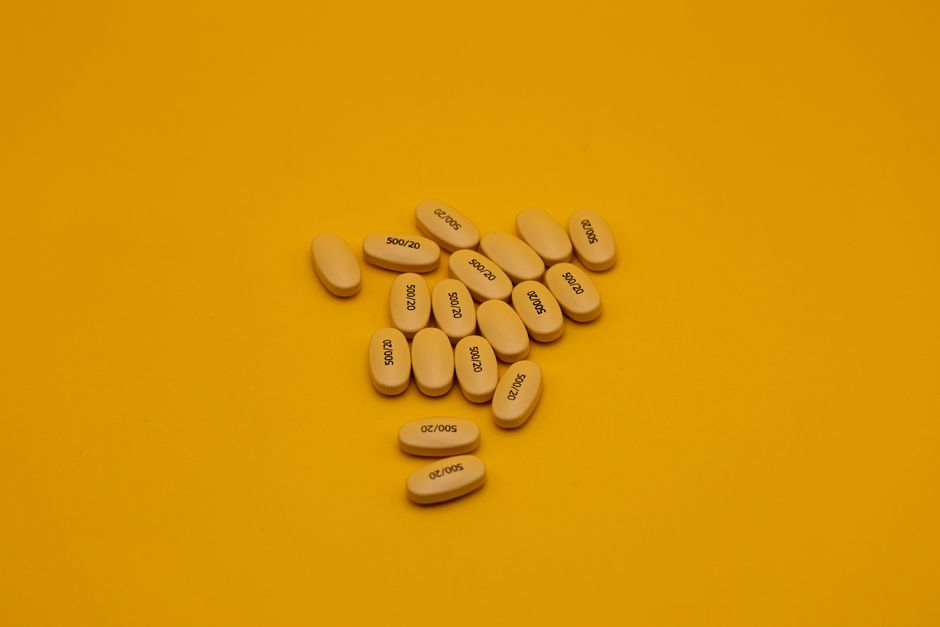
Nicotinamide mononucleotide, commonly called NMN, is a naturally occurring molecule found in every cell of your body. It is a direct precursor to nicotinamide adenine dinucleotide (NAD+), a coenzyme that every cell needs for energy production and basic survival. As you age, your NAD+ levels decline, and NMN has become a popular supplement because of its potential to help restore those levels.
What Is Nicotinamide Mononucleotide and How Does It Work in the Body?
NMN is a nucleotide. That means it is built from a nitrogen-containing base, a sugar, and a phosphate group. In this case, the base is nicotinamide, a form of vitamin B3. The body uses NMN to make NAD+, which is often called the cell’s “energy currency” because it is essential for converting food into cellular energy.
NAD+ does more than produce energy. It also activates enzymes called sirtuins, which are involved in DNA repair, inflammation control, and cellular stress responses. NAD+ also supports the function of PARPs, enzymes that help fix damaged DNA. Without enough NAD+, these repair systems slow down.
When you take NMN as a supplement, the theory is that it enters your cells and becomes NAD+, raising levels that have fallen with age. This is not the same as taking vitamin B3 directly, though both can influence NAD+ levels. NMN is one step closer to NAD+ in the production pathway.
What Happens to NAD+ Levels as You Age?
Research consistently shows that NAD+ levels decline with age. This has been demonstrated in animal studies and in human tissue samples. By middle age, NAD+ levels can be roughly half of what they were in young adulthood, though the exact rate of decline varies by tissue type and individual.
This decline matters because NAD+ is required for so many fundamental processes. When levels drop, energy metabolism slows, DNA repair becomes less efficient, and cellular stress responses weaken. These changes are not the sole cause of aging, but they are considered a contributing factor to age-related decline in function.
The scientific interest in NMN comes from the idea that restoring NAD+ levels might slow or reverse some of these age-related changes. This is an active area of research, and the full picture is not yet clear.
What Does the Research on NMN Actually Show?
Most of the early research on NMN was done in mice and other animals. These studies found that NMN supplementation raised NAD+ levels in tissues and improved various markers of health. Some studies in mice showed improvements in insulin sensitivity, muscle function, and even lifespan, though results vary by study and by the sex and strain of the mice.
Human research is much more limited. Several small clinical trials have been completed, and they generally confirm that oral NMN is absorbed and does raise NAD+ levels in the blood. Some trials have reported improvements in muscle strength or insulin sensitivity in specific groups, such as postmenopausal women or older adults.
However, these human trials are small and short-term. None has yet proven that NMN slows aging, prevents disease, or extends human lifespan. The evidence so far supports the idea that NMN is bioavailable and can raise NAD+ levels, but it does not yet confirm meaningful long-term health benefits in humans.





Is NMN the Same as NR or Vitamin B3?
NMN is often confused with nicotinamide riboside (NR) and plain vitamin B3. They are related but not identical.
Vitamin B3 comes in two main forms: nicotinic acid and nicotinamide. Both can raise NAD+ levels, but they work through slightly different pathways. Nicotinic acid can cause flushing at high doses. Nicotinamide does not cause flushing but can inhibit sirtuin activity at very high doses, which may limit its benefits.
NR is another NAD+ precursor. It is a form of vitamin B3 that is also naturally present in small amounts in milk. NR requires fewer steps than vitamin B3 to become NAD+, but one more step than NMN. Both NR and NMN are marketed as more efficient ways to raise NAD+ than plain vitamin B3.
There is no strong evidence that one is clearly better than the other in humans. Direct comparison studies are limited. Some research suggests NR may be absorbed more efficiently in certain tissues, while NMN may be more efficient in others. For practical purposes, both appear to raise NAD+ levels, and neither has been proven superior for health outcomes.
What Are the Known Side Effects and Risks of NMN?
Short-term safety data on NMN is reassuring. The small human trials completed so far have not reported serious adverse events. Some people report mild digestive discomfort, such as nausea or stomach upset, especially at higher doses.
One important issue is that NMN is not regulated as a drug. It is sold as a dietary supplement in the United States, which means it does not go through FDA approval before reaching the market. The quality, purity, and actual dose of NMN supplements can vary between brands. Third-party testing can help, but it is not required.
No long-term safety data exists for NMN in humans. Nobody knows yet what happens with years of daily use. This is a genuine unknown, and it should be taken seriously. The absence of reported short-term problems does not guarantee long-term safety.
People who are pregnant, breastfeeding, or taking prescription medications should be especially cautious. No clinical guidelines exist for NMN use in these populations. If you are considering NMN, discussing it with a doctor who knows your medical history is the reasonable approach.
What Dose of NMN Do People Typically Take?
There is no official recommended dose for NMN. The human trials that have been published used doses ranging from about 250 mg to 1,200 mg per day. Most commercial supplements suggest a dose in the range of 250 mg to 500 mg daily.
No clinical guidelines currently exist for NMN dosing. The doses used in trials were chosen by researchers, not established by regulatory bodies. Higher doses have not been shown to provide greater benefits in humans, and the risk of side effects likely increases with dose.
It is also worth noting that oral NMN may not reach all tissues equally. Some research suggests that NMN in the bloodstream may be converted to NR before entering certain cells, meaning the two supplements may be more similar than their marketing suggests. The practical implication is that dose and form matter less than consistency of use, assuming any benefit exists at all.
Should You Take NMN for Anti-Aging?
This is a personal decision, and the honest answer is that the evidence is not yet strong enough to make a clear recommendation. NMN is not proven to slow aging in humans. It is not a fountain of youth, and no supplement is.
What the research does show is that NMN can raise NAD+ levels in humans, that it appears safe in the short term at the doses studied, and that the underlying biology is plausible. What it does not show is that raising NAD+ translates into longer life, fewer diseases, or better function in humans.
If you are considering NMN, the most reasonable approach is to treat it as an experimental supplement, not an established treatment. That means being honest about the uncertainty, starting with a lower dose if you choose to try it, and paying attention to how your body responds. It also means not replacing proven health habits like regular exercise, a balanced diet, and adequate sleep with a supplement.
Exercise, for example, has been shown to raise NAD+ levels naturally in some studies. A healthy diet provides the building blocks the body needs. These approaches have decades of evidence behind them. NMN does not yet have that kind of track record.
How Do You Choose a Quality NMN Supplement?
If you decide to try NMN, quality matters. Because supplements are not tightly regulated, you are relying on the manufacturer to produce a product that matches its label.
Look for brands that use third-party testing and publish the results. Independent labs like NSF International or USP can verify that a product contains what it claims. Certificates of analysis from the manufacturer are less reliable, since the manufacturer is testing its own product.
Check the label for the exact form of NMN. Some products list “β-NMN” or “beta-nicotinamide mononucleotide,” which is the form used in research. Avoid products that hide the dose or use proprietary blends that do not list exact amounts of each ingredient.
Be aware that NMN supplements are not cheap, and price does not always reflect quality. Some expensive products are no better than moderately priced ones. Conversely, very cheap products may be underdosed or contain impurities. Third-party testing is the most reliable signal of quality, not price.
Frequently Asked Questions
How long does it take for NMN to raise NAD+ levels?
Human studies show that NAD+ levels in the blood rise within a few hours of taking NMN. The effect appears to peak within a day, but how long it lasts with regular use is still being studied.
Can NMN be taken with food or on an empty stomach?
Some research in animals suggests NMN is absorbed better on an empty stomach, but no strong human data confirms this. Taking it with food is unlikely to cause harm and may reduce digestive discomfort for some people.
Is NMN legal and approved for sale in the United States?
NMN is sold legally as a dietary supplement in the United States, but it is not approved as a drug. That means it has not been evaluated by the FDA for safety or effectiveness, and the agency does not verify what is in the bottle.
Does NMN interact with any medications?
No well-documented drug interactions with NMN have been reported in human studies. However, because NMN affects cellular energy pathways, anyone taking medication for diabetes, blood pressure, or other chronic conditions should talk to a doctor before using it.
