
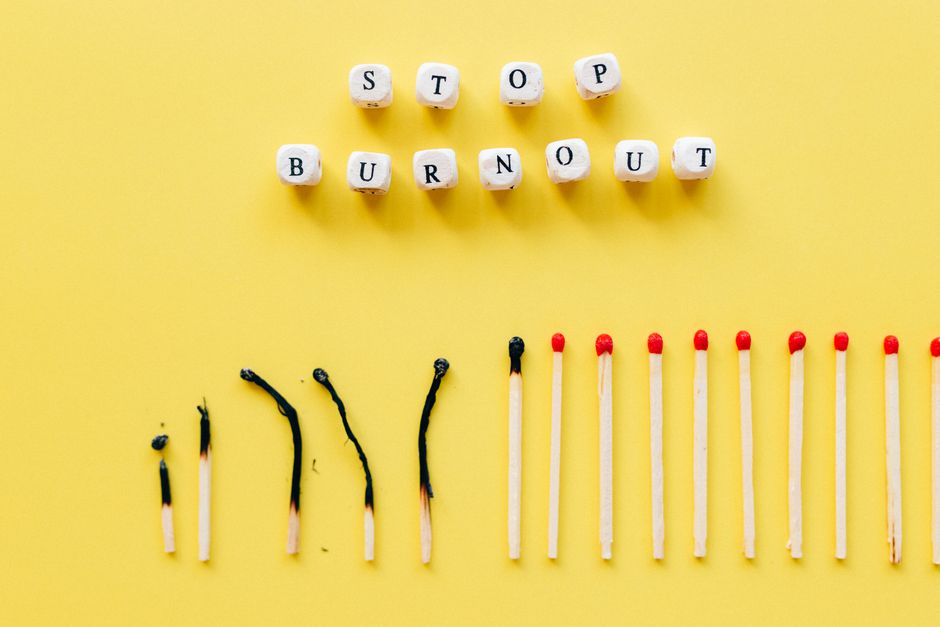
Negative stress is called distress. Positive stress is called eustress. Both are real physiological responses, and the difference between them comes down to how your body and brain interpret the demand placed on you — not the demand itself.
Hans Selye, the endocrinologist who first described the general adaptation syndrome in the 1930s, coined both terms. He noticed that laboratory animals exposed to unpleasant stimuli showed a consistent pattern of hormonal changes and physical wear. But he also observed that humans sometimes sought out challenges — competition, performance, novelty — that produced a similar stress response without the harmful effects. That observation led him to distinguish between the two.
What Is Negative Stress Called Distress Vs Eustress?
Distress is the stress response that wears you down. Eustress is the stress response that sharpens you. The physiology overlaps significantly — both involve the release of cortisol and adrenaline, both raise heart rate, both mobilize energy. What separates them is duration, your sense of control, and whether you perceive the stressor as a threat or a challenge.
The threat-versus-challenge distinction has been studied extensively in psychophysiology. When people view a stressor as a challenge, blood vessels tend to dilate and cardiac output increases efficiently. When they view it as a threat, blood vessels tend to constrict and the cardiovascular response is less efficient. That difference in perception appears to shape long-term health outcomes far more than the stressor itself.
Key Differences at a Glance
| Feature | Eustress | Distress |
|---|---|---|
| Duration | Short-term, resolves | Prolonged or chronic |
| Sense of control | Present | Often absent |
| Emotional tone | Excitement, anticipation | Anxiety, dread, helplessness |
| Effect on performance | Improves focus and output | Impairs focus and output |
| Recovery | Quick return to baseline | Slow or incomplete |
How Does Your Body Tell the Difference Between Eustress and Distress?
Your body does not have a separate “good stress” system and “bad stress” system. It has one stress response, and the brain decides how to deploy it. The key player is the hypothalamic-pituitary-adrenal axis, often shortened to HPA axis.
When you face a demand, the hypothalamus signals the pituitary gland, which signals the adrenal glands to release cortisol. In the short term, cortisol raises blood sugar, sharpens attention, and suppresses non-urgent functions like digestion. This is useful during a job interview or a difficult workout. It becomes harmful when it does not switch off.
The prefrontal cortex and the amygdala are involved in how you appraise the situation. If your brain judges that you have the resources to handle the demand, the response is more likely to feel like eustress. If it judges that you do not, the response tips toward distress. That appraisal happens fast — often before you are consciously aware of it.
One non-obvious point: the physical sensations of eustress and distress can be nearly identical. A racing heart before a speech could be excitement or terror, and the label your brain attaches matters. Some research suggests that simply reframing arousal as excitement rather than anxiety can improve performance, though the effect size varies and the evidence is not uniform across all situations.
What Are Common Examples of Eustress?
Eustress shows up in situations that stretch you without overwhelming you. The feeling is usually one of anticipation rather than dread.
- Starting a new job you wanted
- Training for a race or competition
- Riding a roller coaster
- Falling in love or beginning a new relationship
- Preparing for a performance you chose to do
- Learning a challenging skill
The common thread is voluntary engagement combined with a reasonable expectation of success. You chose the challenge, you can see a path through it, and you expect to come out the other side intact or better.
Eustress is not always comfortable. A hard workout hurts. A difficult exam is nerve-wracking. But the discomfort is bounded and purposeful. When the event ends, the stress response resolves.





What Are Common Examples of Distress?
Distress tends to involve demands you did not choose, cannot control, or cannot see an end to.
- Chronic financial insecurity
- Ongoing workplace conflict or job insecurity
- Caring for a seriously ill family member without relief
- Living with an unsafe home situation
- Persistent health anxiety
- Grief that does not resolve
The defining feature is not intensity. It is duration and lack of control. A single terrifying event can be acute distress, but it may resolve. The more damaging pattern is chronic distress — the kind that persists for weeks or months with no clear exit.
Chronic distress keeps cortisol elevated. Over time, that has measurable effects: disrupted sleep, impaired immune function, elevated blood pressure, and changes in how the brain processes emotion. The research linking chronic stress to cardiovascular disease, depression, and metabolic problems is substantial and consistent.
Can Eustress Become Distress?
Yes. The line between them is not fixed. The same activity can shift from one to the other as circumstances change.
A challenging job you love can become distress if the workload increases beyond your capacity to manage it. A hobby you enjoy can become distress if it turns into an obligation. Training for a marathon is eustress for many people — until injury, burnout, or life circumstances turn it into a source of dread.
The shift usually happens through one of three pathways: the demand increases, your resources decrease, or your sense of control erodes. Any of these can tip a challenge into a threat.
This is why the same event affects different people differently. Two people can face the same deadline. One finds it motivating. The other finds it crushing. The objective demand is identical. The appraisal is not.
Does Eustress Have Health Benefits?
Moderate, short-term stress appears to have some adaptive value. The evidence here is moderate, not definitive, but it points in a consistent direction.
Some research suggests that intermittent stress can strengthen the body’s stress-response systems, similar to how exercise stresses muscles to make them stronger. This concept is sometimes called hormesis — the idea that low doses of a stressor can produce a beneficial adaptive response. It is well documented in toxicology and exercise physiology. Its application to psychological stress is plausible but less firmly established.
Eustress is also linked to better performance and learning. Moderate arousal tends to improve focus and memory consolidation compared to low arousal. This relationship is sometimes described as an inverted U — too little stress and you are unmotivated, too much and you are impaired, but a moderate amount tends to be optimal.
What is clear is that the absence of all stress is not the goal. A life with no challenges is not necessarily a healthy one. The goal, if there is one, is a stress load you can recover from.
How Can You Tell Which One You Are Experiencing?
Ask yourself three questions.
First, did I choose this? Voluntary challenges tend toward eustress. Imposed demands tend toward distress.
Second, do I have some control over the outcome? Even partial control shifts the balance. Feeling helpless is a hallmark of distress.
Third, is there an end in sight? Eustress has a finish line. Distress often does not.
If you answer no to all three, you are likely in distress territory. That does not mean the situation is hopeless. It means the stressor is more likely to take a toll if it continues without change.
Physical signals can also help. Eustress tends to leave you tired but satisfied. Distress tends to leave you depleted, irritable, and unable to recover even after rest. Sleep disruption, appetite changes, and a persistent sense of dread are more characteristic of distress.
Frequently Asked Questions
What is negative stress called?
Negative stress is called distress. It is the type of stress that feels overwhelming, lasts too long, or comes with a sense of helplessness.
Is eustress good for you?
Short-term eustress appears to support focus, performance, and resilience in many people. The evidence for long-term health benefits is moderate, not definitive.
Can stress ever be healthy?
Brief, manageable stress that resolves on its own is part of normal physiology and may strengthen stress-response systems. Chronic stress that does not resolve is consistently linked to worse health outcomes.
What is the main difference between distress and eustress?
The main difference is how your brain appraises the demand — as a challenge you can handle or a threat you cannot. Duration and sense of control are the strongest predictors of which one you experience.
