
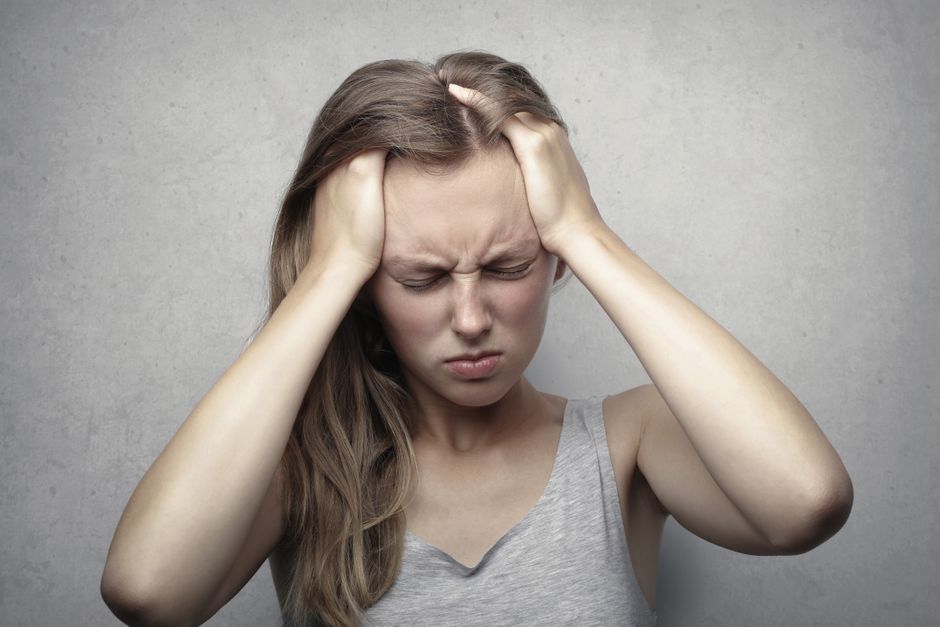
Stress is not just a feeling. It is a physical response that changes how your body works. When stress becomes long-term, it can damage your health in real ways. Science shows that ongoing stress affects your heart, your immune system, your digestion, and even your brain. The connection between stress and illness is not imagined—it is measurable.
What Happens in Your Body During Stress
Your body has a built-in alarm system. When you face a threat, your brain signals your adrenal glands to release hormones. The two main ones are adrenaline and cortisol.
Adrenaline raises your heart rate and blood pressure. Cortisol increases sugar in your bloodstream. These changes give you quick energy to deal with danger. This is called the fight-or-flight response, and it is meant to be short-lived.
The problem starts when stress never turns off. If your alarm system stays on for weeks or months, your body pays a price. Constant high cortisol is not normal. It disrupts many systems at once.
How Does Stress Make You Sick What Science Says
Chronic stress makes you sick by keeping your stress hormones elevated for too long. This wears down your immune system, inflames your blood vessels, and disrupts digestion and sleep. Over time, these changes raise your risk for heart disease, infections, anxiety, and depression.
Research consistently shows that people under long-term stress get sick more often. Studies have found that stress can slow wound healing and make vaccines less effective. When your body is busy managing stress, it has fewer resources to fight off actual threats like viruses and bacteria.
Stress and Your Heart
Your heart is one of the first organs affected by ongoing stress. Stress hormones make your heart beat faster and your blood vessels narrow. Over time, this can damage the lining of your arteries.
Chronic stress is linked to high blood pressure, heart attacks, and stroke. The connection is strong enough that major health organizations list stress as a risk factor for heart disease. Stress does not cause heart disease alone, but it can make existing risks worse.
Stress also changes behavior in ways that hurt your heart. People under stress often sleep less, eat poorly, and exercise less. These habits add to the direct physical effects of stress hormones.





Stress and Your Immune System
The relationship between stress and immunity is complex. Short-term stress can actually boost your immune system. It prepares your body to fight off infection right after an injury or threat.
Long-term stress is different. High cortisol over weeks and months suppresses immune function. It reduces the activity of white blood cells that fight infection. This is why people under chronic stress catch colds more easily and take longer to recover.
Some research suggests stress can also increase inflammation in the body. Inflammation is a normal immune response, but too much of it over time is harmful. Chronic inflammation is linked to many conditions, including autoimmune diseases and heart disease.
Stress and Your Digestive System
Your gut has its own nervous system. It is directly connected to your brain through the vagus nerve. When you are stressed, this connection changes how your digestive system works.
Stress can slow digestion or speed it up. Some people get nausea, cramps, or diarrhea. Others get constipation. Stress can also worsen conditions like irritable bowel syndrome and acid reflux.
Your gut also contains millions of bacteria that help with digestion and immunity. Animal studies suggest stress can change the balance of these bacteria. Whether this directly causes illness in humans is still being studied, but the connection between stress and gut symptoms is well established.
Stress and Your Brain
Your brain is the control center for your stress response. It is also one of the main targets of stress damage. High cortisol over long periods can affect memory and learning.
Research shows that chronic stress can shrink the hippocampus, the part of the brain involved in memory. It can also make you more sensitive to future stress. This means stress builds on itself—the more you experience, the harder it becomes to cope.
Stress is also a major trigger for anxiety and depression. The same hormones that prepare your body for danger can leave you feeling on edge, irritable, or hopeless when they stay elevated too long.
Stress and Sleep
Stress and sleep are closely linked. Stress makes it harder to fall asleep and stay asleep. Poor sleep then makes stress worse. This creates a cycle that is hard to break.
When you are stressed, your body stays in a state of alert. Your brain does not fully relax into deep sleep. You may wake up frequently or feel tired even after a full night in bed.
Sleep is when your body repairs itself. Without enough quality sleep, your immune system weakens, your blood pressure stays high, and your mood suffers. Many of the health problems linked to stress are made worse by the sleep loss that stress causes.
Stress and Weight Gain
Stress can change how your body stores fat. Cortisol increases appetite and cravings for high-calorie foods. This is a survival mechanism—your body thinks it needs quick energy to escape danger.
In a modern setting, this means stress often leads to overeating. Stress also encourages fat storage around your belly. Abdominal fat is more dangerous than fat elsewhere because it is linked to higher risk for heart disease and diabetes.
Stress can also make it harder to lose weight. High cortisol levels can slow your metabolism and make your body hold onto fat stores. This is one reason stress management is often part of weight loss programs.
How to Reduce the Physical Effects of Stress
You cannot eliminate stress from your life. But you can reduce how long your stress response stays active. The goal is not to avoid stress—it is to help your body return to a calm state faster.
Physical activity is one of the most effective ways to lower stress hormones. Exercise burns off adrenaline and triggers the release of endorphins, which improve mood. Even a short walk can help.
Breathing exercises can also activate your parasympathetic nervous system. This is the system that calms your body down. Slow, deep breathing for a few minutes can lower your heart rate and blood pressure.
Sleep is another essential tool. Protecting your sleep schedule gives your body time to recover from daily stress. Most adults need between 7 and 9 hours per night.
Talking to someone can help too. Social support is linked to lower stress hormone levels. Whether it is a friend, family member, or therapist, sharing what you are going through makes a measurable difference.
When to Seek Professional Help
Some stress is manageable with lifestyle changes. But if stress is affecting your daily life, your sleep, or your relationships, it may be time to talk to a doctor or mental health professional.
Signs that stress is becoming a health problem include constant fatigue, trouble sleeping most nights, loss of interest in things you used to enjoy, and physical symptoms like headaches or stomach problems that do not go away.
There are effective treatments for stress-related conditions. Therapy, particularly cognitive behavioral therapy, has strong evidence behind it. In some cases, medication may also be helpful. These are decisions you should make with a qualified professional.
Frequently Asked Questions
Can stress actually make you physically sick?
Yes. Long-term stress changes hormone levels, weakens the immune system, and increases inflammation, which can lead to real physical illness.
How long does it take for stress to harm your health?
There is no set timeline. Some people develop symptoms after weeks of intense stress, while others show effects after months or years of ongoing pressure.
What is the fastest way to lower stress hormones?
Physical activity and slow breathing exercises are the fastest evidence-based ways to lower stress hormone levels in your body.
Can stress cause permanent damage?
Some effects of chronic stress can be reversed, but prolonged stress can contribute to lasting conditions like high blood pressure, heart disease, and depression.
