
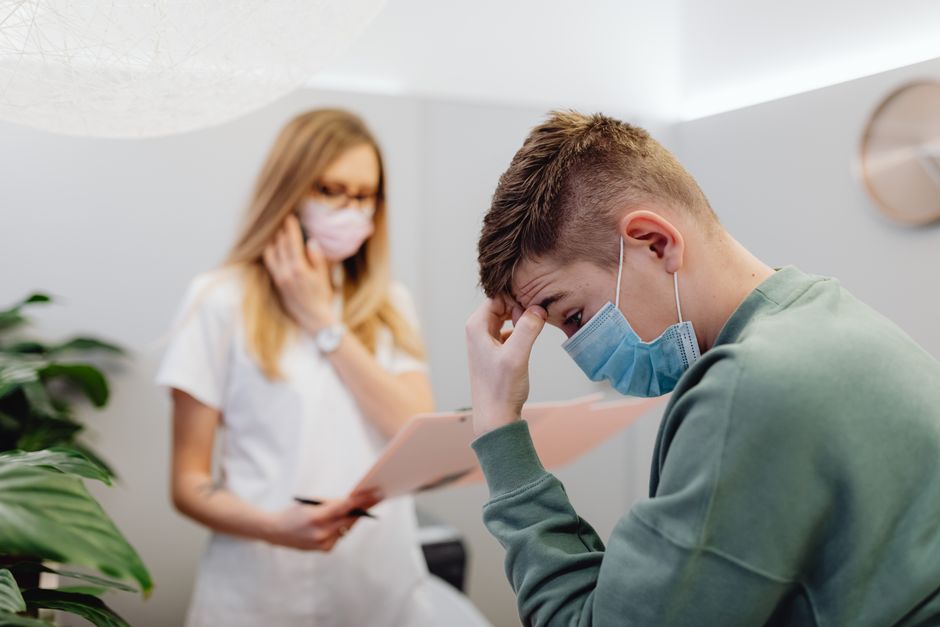
Mental health nursing is a specialty that combines general nursing with psychiatric and behavioral care. Psychiatric-mental health nurses assess, treat, and support people living with conditions such as depression, anxiety, bipolar disorder, schizophrenia, and substance use disorders. They work in many settings, from hospital units to community clinics to private practice. The field also has distinct levels of practice, each with different education, licensing, and responsibilities.
The scope of this specialty is broader than many people realize. A psychiatric nurse might help a patient manage medication side effects on an inpatient unit, run a support group at a community center, or provide therapy in a private office. What they do depends heavily on their level of training and where they work.
What Does a Mental Health Nurse Actually Do?
Psychiatric-mental health nurses provide direct care to people with mental health conditions. Their daily work blends medical monitoring with emotional support and patient education.
On any given shift, a psychiatric nurse might assess a patient’s mood and thought patterns, administer medications, monitor for side effects, and document changes in behavior. They also teach patients and families about conditions, medications, and coping strategies. In crisis situations, they help de-escalate and keep everyone safe.
One thing that sets this specialty apart: the therapeutic relationship itself is a clinical tool. How a nurse communicates, listens, and responds can shape a patient’s engagement with treatment. This is not soft skill — it is a core part of the job.
Nurses at advanced levels do even more. They can diagnose conditions, prescribe medications, and provide psychotherapy. The line between what a basic and advanced psychiatric nurse can do is defined by state law and licensure.
What Are the Different Levels of Mental Health Nursing?
Mental health nursing has two main levels: basic (or generalist) and advanced. Each level requires different education, certification, and legal authority.
Basic Level: Registered Nurse (RN)
A registered nurse with psychiatric training provides direct patient care. This includes medication administration, health assessments, crisis intervention, and patient education. RNs work under the direction of physicians or advanced practice nurses.
Some RNs earn certification in psychiatric-mental health nursing through the American Nurses Credentialing Center. This certification is voluntary but signals specialized knowledge. It requires a certain number of clinical hours and passing an exam.
Advanced Level: Advanced Practice Registered Nurse (APRN)
Advanced practice psychiatric nurses hold at least a master’s degree, often a Doctor of Nursing Practice. They are prepared to diagnose mental health conditions, prescribe medications, order tests, and provide therapy.
The most common advanced role is the Psychiatric-Mental Health Nurse Practitioner (PMHNP). PMHNPs can practice independently in many states, though scope of practice varies. Some states require physician supervision or a collaborative agreement.
Another advanced role is the Psychiatric-Mental Health Clinical Nurse Specialist (PMHCNS). These nurses focus more on systems of care, staff education, and program development, though some also provide direct clinical care.
Both roles require national certification and, in most states, a separate license or designation to practice at an advanced level.
What Settings Do Psychiatric Nurses Work In?
Psychiatric nurses work almost anywhere mental health care happens. The setting shapes the pace, the patient population, and the type of work.
- Inpatient psychiatric units: Hospital-based care for acute crises, severe symptoms, or safety concerns. Nurses here manage medications, monitor behavior, and coordinate discharge planning.
- Outpatient clinics: Regular appointments for medication management, therapy, and follow-up. The pace is often slower and more routine.
- Community mental health centers: Serve people who may not have access to private care. Nurses here often coordinate with social workers, case managers, and primary care providers.
- Emergency departments: Psychiatric nurses in ERs assess patients in crisis, determine risk, and help decide whether someone needs inpatient admission.
- Private practice: Advanced practice nurses may run their own practices, offering therapy and medication management.
- Schools and correctional facilities: Nurses provide assessment, crisis support, and medication monitoring in these settings.
- Telehealth: Remote care has expanded access, especially in rural areas. Nurses conduct assessments and follow-ups by video or phone.
The work environment matters. Inpatient units can be fast-paced and emotionally intense. Outpatient roles tend to be more predictable. Community settings often involve more coordination with other services.





How Does a Psychiatric Nurse Differ From Other Mental Health Professionals?
Psychiatric nurses overlap with psychologists, social workers, and psychiatrists, but their training and focus differ.
Psychiatrists are medical doctors who can prescribe medication and provide therapy. Psychiatric nurse practitioners can also prescribe in most states, but their training pathway is different. Psychologists typically hold a doctoral degree in psychology and focus on assessment and therapy, though they generally cannot prescribe in most states.
Social workers focus on case management, therapy, and connecting people to resources. They may hold a master’s degree and licensure.
Psychiatric nurses bring a medical lens to mental health care. They monitor physical health, track medication effects, and often serve as the bridge between psychiatric and general medical care. This matters because people with serious mental illness often have higher rates of physical health problems.
One non-obvious point: nurses are often the ones who notice early signs of medication side effects or physical health issues that other team members might miss. That continuous, hands-on observation is a distinct part of the role.
What Education and Training Is Required?
Becoming a psychiatric nurse starts with becoming a registered nurse. That means earning a nursing degree — either an associate degree or a bachelor’s degree — and passing the NCLEX-RN exam.
After that, the path depends on the level you want to reach:
- RN level: Some nurses go directly into psychiatric settings after graduation. Others gain general medical-surgical experience first, which many employers prefer.
- Certification: The American Nurses Credentialing Center offers psychiatric-mental health certification for RNs. It requires clinical hours and a passing exam.
- APRN level: A master’s or doctoral degree in psychiatric-mental health nursing is required. This includes supervised clinical hours and advanced coursework in psychopharmacology, therapy, and diagnosis.
- National certification: PMHNPs and PMHCNSs must pass a national certification exam. This is required for licensure in most states.
Continuing education is required to maintain licensure and certification. This ensures nurses stay current with evidence-based practices.
What Are the Career Outlook and Challenges?
Demand for mental health services has grown, and the supply of psychiatric providers has not kept pace. This shortage affects nurses at every level.
For psychiatric nurses, job prospects are generally strong. The need for mental health care is widespread, and many communities lack enough providers. Advanced practice nurses, in particular, are often in high demand because they can prescribe and provide therapy.
The work has real challenges. Emotional strain is common. Nurses in this field often deal with patients in crisis, and safety concerns exist in some settings. Burnout is a recognized issue in psychiatric nursing, as it is across health care.
Support systems matter. Good supervision, manageable caseloads, and workplace culture can make a difference. Some nurses move between settings over their careers to find the right fit.
There is also the matter of stigma. Despite progress, mental health care is still sometimes treated as separate from general medicine. Nurses in this field often advocate for their patients both inside and outside the health care system.
How Do State Laws Affect What Psychiatric Nurses Can Do?
Scope of practice for psychiatric nurses is set by state law. This is especially true for advanced practice nurses.
Some states allow PMHNPs to practice independently — diagnosing, prescribing, and treating without physician oversight. Other states require a collaborative agreement with a physician. A few states have more restrictive rules.
This means the same nurse with the same credentials might have different authority depending on where they work. For anyone considering this career or seeking care from a psychiatric nurse, it is worth checking the rules in your state.
For RNs, the scope is more consistent across states, though details vary. RNs generally cannot prescribe or diagnose independently. They work within a care team and follow established protocols.
The bottom line: psychiatric nursing is a diverse field with multiple entry points and career paths. The level of practice, the setting, and the state where you work all shape what the job looks like day to day.
Frequently Asked Questions
What is the difference between a psychiatric nurse and a psychiatrist?
A psychiatrist is a medical doctor who can prescribe medication and provide therapy. A psychiatric nurse may be an RN who provides direct care or an advanced practice nurse who can diagnose and prescribe, depending on state law.
Can a psychiatric nurse prescribe medication?
Only advanced practice psychiatric nurses, such as Psychiatric-Mental Health Nurse Practitioners, can prescribe medication. This requires a master’s or doctoral degree, national certification, and in most states, a separate license.
What settings do psychiatric nurses work in?
They work in inpatient psychiatric units, outpatient clinics, community mental health centers, emergency departments, private practices, schools, correctional facilities, and via telehealth. The setting determines the pace and type of work.
How long does it take to become a psychiatric nurse practitioner?
It typically takes several years. After becoming an RN, you need a master’s or doctoral degree in psychiatric-mental health nursing, plus supervised clinical hours and national certification.
