
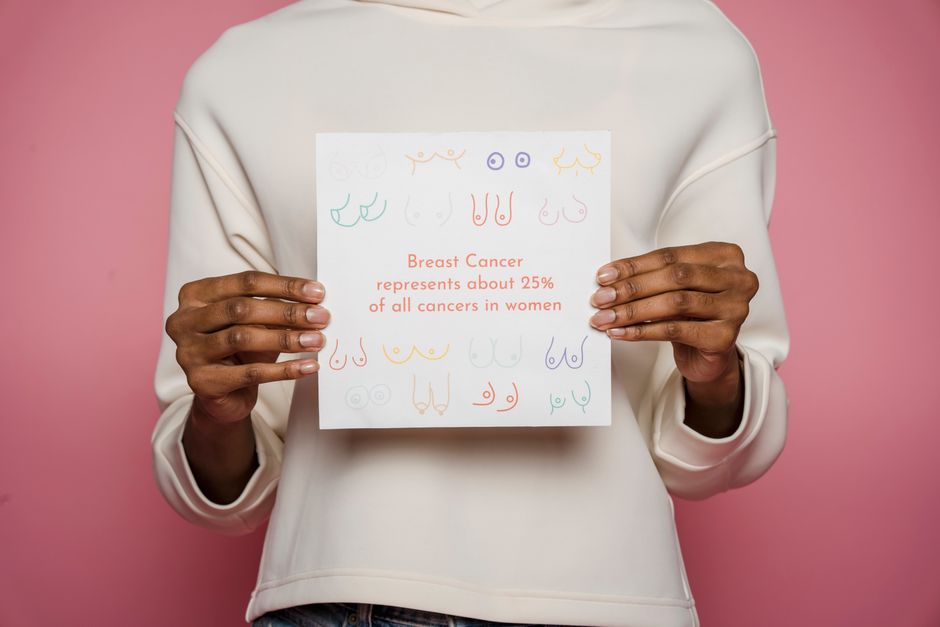
Breast tenderness is a common symptom during the years leading up to menopause, but it is not a direct symptom of menopause itself. The hormonal shifts of perimenopause — the transition phase before periods stop — can cause breast pain and sensitivity. Once a woman reaches menopause and estrogen levels stabilize at a lower point, breast tenderness typically improves or goes away.
Is Breast Tenderness a Symptom of Menopause?
The distinction matters. Menopause is defined as the point 12 months after a woman’s last menstrual period. At that point, the ovaries have largely stopped producing estrogen and progesterone. The hormonal fluctuations that cause most symptoms — including breast tenderness — happen before that milestone, during perimenopause.
During perimenopause, estrogen and progesterone levels rise and fall unevenly. Some cycles produce more estrogen than others. Breast tissue is sensitive to these shifts. Estrogen stimulates growth of the milk ducts and glandular tissue. Progesterone affects the milk glands and can cause fluid retention in breast tissue. When levels swing, breasts can feel swollen, heavy, or painful.
Research consistently shows that breast pain is one of the most commonly reported symptoms during the menopausal transition. Studies have found that a significant share of women in perimenopause report breast tenderness, often in the weeks before a period. For many, the pattern is similar to what they experienced before menstruation earlier in life — just less predictable.
After menopause, when hormone levels settle at a consistently low level, breast tenderness usually decreases. If breast pain starts or gets worse after menopause, it deserves a medical evaluation, because the hormonal explanation no longer applies.
Why Does Perimenopause Cause Breast Tenderness?
Breast tissue responds to hormones throughout a woman’s reproductive life. The breasts contain milk ducts, milk glands, and fatty tissue. Estrogen and progesterone influence all of these. When hormone levels fluctuate — as they do in perimenopause — the breast tissue reacts.
The mechanism is well understood. Estrogen causes the ducts to widen and the glandular tissue to grow. Progesterone causes the milk glands to swell and can lead to fluid buildup. Together, these changes create a feeling of fullness, heaviness, or sharp pain. The same process happens before a normal period, but in perimenopause the timing becomes irregular and the intensity can change from cycle to cycle.
Some months may bring no tenderness at all. Others may bring significant discomfort. This unpredictability is one of the hallmarks of perimenopause. It is not a sign that something is wrong. It is a sign that the hormonal feedback loop between the brain and ovaries is changing.
One non-obvious point: breast tenderness during perimenopause does not necessarily track with the timing of a period. A woman may feel breast pain when no period follows, or feel nothing during a month when a period does come. The hormonal surge that triggers breast changes does not always lead to ovulation or bleeding.
How Does Perimenopausal Breast Pain Differ From Other Breast Pain?
Breast pain — called mastalgia in medical terms — is common at all stages of adult life. The type and pattern can help distinguish perimenopausal breast tenderness from other causes, though a medical evaluation is the only way to be certain.
Perimenopausal breast pain tends to be:
- Cyclical — worse in the one to two weeks before a period, better after
- Bilateral — affecting both breasts, often the upper outer areas
- Dull, heavy, or aching rather than sharp and localized
- Accompanied by a feeling of fullness or swelling
Non-cyclical breast pain is not tied to the menstrual cycle. It may be constant or come and go. Causes include injury, infection, certain medications, poorly fitting bras, or issues with the chest wall muscles or ribs. Some cases have no identifiable cause.
Breast pain alone is rarely a sign of breast cancer. Research indicates that the vast majority of women who seek care for breast pain do not have cancer. However, breast pain that comes with a lump, skin changes, nipple discharge, or a change in breast shape should always be evaluated by a doctor.





What Other Symptoms Come With Perimenopausal Breast Tenderness?
Breast tenderness rarely happens on its own. The hormonal shifts of perimenopause affect many systems in the body, and most women experience a cluster of symptoms.
Common perimenopausal symptoms include:
- Irregular periods — cycles that are shorter, longer, heavier, or lighter than usual
- Hot flashes and night sweats
- Sleep problems, often from night sweats
- Mood changes, including irritability, anxiety, or low mood
- Vaginal dryness and discomfort during sex
- Lower libido
- Joint aches and stiffness
- Difficulty concentrating or remembering things
- Weight gain, especially around the abdomen
- Thinning hair or hair growth on the face
The severity and combination of symptoms vary widely. Some women have mild symptoms that last a few years. Others have symptoms that interfere with daily life for much longer. The duration of perimenopause itself varies — some women transition in a few years, others take longer.
Breast tenderness often appears alongside other cyclical symptoms like bloating, mood swings, and cramping. When these occur together and follow a cyclical pattern, the hormonal explanation is more likely. When breast pain is isolated or follows no pattern, other causes should be considered.
When Should Breast Tenderness Be Checked by a Doctor?
Most breast tenderness during perimenopause is not dangerous. But some breast changes need a medical evaluation. The following signs should prompt a visit to a healthcare provider:
- A new lump or thickening in the breast or armpit
- Skin changes on the breast — dimpling, puckering, redness, or scaling
- Nipple changes — inversion, discharge, or crusting
- Breast pain that is severe, constant, or gets worse over time
- Breast pain that starts after menopause
- Pain that is localized to one specific spot and does not go away
- Swelling, warmth, or redness that could suggest infection
Breast pain that is cyclical and affects both breasts is less concerning than pain that is one-sided, constant, or accompanied by a lump. Still, any new breast symptom that worries you is worth checking. There is no harm in getting an evaluation, and it can rule out problems that need treatment.
Some clinicians recommend a clinical breast exam as part of routine care during perimenopause. Mammography recommendations vary by organization and by individual risk. Women should discuss screening timing with their healthcare provider based on their personal and family history.
What Helps With Perimenopausal Breast Tenderness?
Treatment for perimenopausal breast tenderness depends on how much it affects daily life. For mild discomfort, self-care measures are often enough. For moderate to severe pain, medical options exist.
Self-care approaches that some women find helpful include:
- Wearing a well-fitted, supportive bra — including at night if tenderness is significant
- Applying a warm compress or taking a warm bath
- Using a cold pack to numb sharp pain
- Reducing caffeine intake, though evidence for this is mixed
- Taking over-the-counter pain relievers like acetaminophen or ibuprofen
- Eating a balanced diet and staying physically active
The evidence on caffeine and breast pain is not strong. Some women report improvement when they cut back, but studies have not consistently confirmed a link. It is reasonable to try if other measures are not helping.
For persistent or severe breast pain, doctors may consider prescription treatments. These include hormonal therapies, certain antidepressants used for nerve-related pain, or other medications. These options carry their own risks and side effects. They are not first-line for mild tenderness.
Hormone replacement therapy (HRT) can relieve many perimenopausal symptoms, but its effect on breast tenderness is mixed. Some women find relief. Others find that estrogen therapy makes breast tenderness worse, at least initially. Any decision about HRT should be made with a healthcare provider who can weigh the benefits and risks for the individual.
No clinical guidelines recommend a specific treatment for perimenopausal breast tenderness alone. Management is individualized. What works for one woman may not work for another.
Does Breast Tenderness Go Away After Menopause?
For most women, breast tenderness improves after menopause. Once the ovaries stop producing significant amounts of estrogen and progesterone, the cyclical hormonal fluctuations that cause breast swelling and pain end. The breast tissue no longer responds to the same monthly surges.
However, this does not mean breast pain never occurs after menopause. Some women continue to have breast pain for other reasons. These include:
- Hormone replacement therapy — estrogen can cause breast tenderness
- Certain medications, including some antidepressants and blood pressure drugs
- Breast cysts or other benign breast conditions
- Musculoskeletal pain from the chest wall
- Referred pain from other areas
New breast pain after menopause should always be evaluated. The hormonal explanation that applies during perimenopause no longer applies. A doctor can determine whether the pain is from a benign cause or something that needs further testing.
It is also worth noting that breast tissue changes with age. After menopause, the amount of glandular tissue decreases and fatty tissue increases. This can change how breasts feel and how they respond to pain. Some women notice less tenderness overall. Others notice new sensations that are unrelated to hormones.
Frequently Asked Questions
Is breast tenderness a symptom of menopause or perimenopause?
Breast tenderness is more closely linked to perimenopause, the transition phase before periods stop. It is caused by fluctuating hormone levels, not by menopause itself.
How long does perimenopausal breast tenderness last?
It varies widely. Some women have it for a few years during the transition, while others have it longer. It usually improves after menopause when hormone levels stabilize.
Can breast tenderness after menopause be normal?
It can happen, but it is not caused by the same hormonal shifts as perimenopausal tenderness. Any new breast pain after menopause should be checked by a doctor.
When should I worry about breast tenderness?
See a doctor if the pain is one-sided, constant, or comes with a lump, skin changes, or nipple discharge. Cyclical pain in both breasts is less concerning but still worth mentioning at your next visit.
