
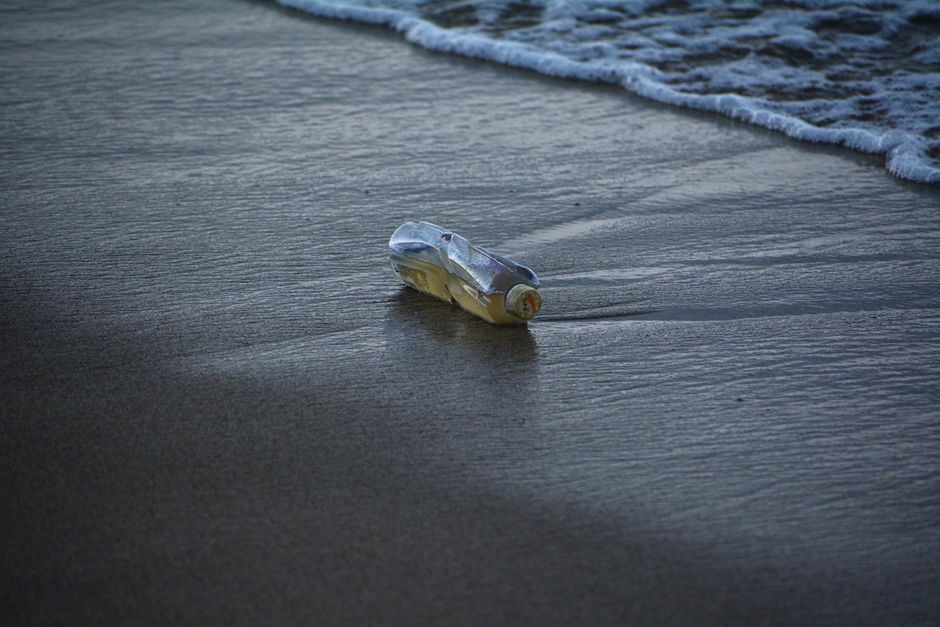
MARPOL is the International Convention for the Prevention of Pollution from Ships. It is the main global treaty that stops ships from dumping oil, chemicals, sewage, and garbage into the ocean. Run by the International Maritime Organization (IMO), it sets the rules for how ships must handle their waste to protect marine life and the environment.
Why Was MARPOL Created?
Before MARPOL, ships routinely dumped waste at sea. Oil tanks were washed out and the dirty water was pumped straight into the ocean. Garbage was thrown overboard. Sewage went over the side. It was common practice for decades.
The turning point came in the 1960s and 1970s. Large oil spills and visible pollution along coastlines pushed governments to act. The public saw dying seabirds and oil-covered beaches. Countries realized that no single nation could fix the problem alone because ships travel everywhere. Pollution from one ship could affect coastlines thousands of miles away.
In 1973, the IMO adopted MARPOL. A follow-up protocol in 1978 updated and strengthened it. The combined treaty, often called MARPOL 73/78, entered into force in 1983. Today, over 150 countries have signed it. These countries control most of the world’s merchant shipping tonnage.
What Does MARPOL Actually Regulate?
MARPOL is organized into six annexes. Each annex covers a different type of ship pollution. Together they create a complete system for managing waste at sea.
- Annex I: Oil pollution. Sets limits on oil in discharged water and requires oil filtering equipment on ships.
- Annex II: Noxious liquid substances carried in bulk. Covers chemicals transported in tankers.
- Annex III: Harmful substances in packaged form. Covers containers, drums, and other cargo packaging.
- Annex IV: Sewage from ships. Requires treatment systems or holding tanks.
- Annex V: Garbage. Bans most dumping of plastics and sets distance rules for other trash.
- Annex VI: Air pollution. Limits sulfur in fuel and controls emissions that damage the ozone layer.
Annex VI was added later, in 1997. It deals with exhaust emissions from ship engines. This includes sulfur oxides, nitrogen oxides, and particulate matter.
How Are the Rules Enforced?
MARPOL is not enforced by a global police force. Instead, each country that signs the treaty agrees to enforce it on ships flying its flag. This is called flag state jurisdiction. If a ship is registered in Panama, Panama is responsible for making sure that ship follows MARPOL.
Port states also have power. A port state can inspect any foreign ship docked in its harbor. Inspectors check waste records, equipment, and crew knowledge. If they find violations, they can detain the ship, issue fines, or ban it from the port.
This dual system has weaknesses. Some flags are known for weak enforcement. Ships can register in countries with fewer resources or less interest in policing. This is called flying a flag of convenience. However, port state inspections catch many violations, and major shipping routes pass through ports with strict inspection programs.
MARPOL also requires ships to keep an Oil Record Book. This log must document every transfer of oil, every discharge, and every ballast water operation. Inspectors compare the log against the ship’s actual equipment and route to spot discrepancies.




What Changed for Ship Crews and Owners?
MARPOL changed daily life on ships. Crews now follow strict procedures for handling waste. Oil-contaminated water goes into separate tanks. Garbage is sorted and sometimes compacted or incinerated onboard. Sewage passes through treatment systems before any discharge.
Ships above a certain size must carry an International Oil Pollution Prevention Certificate. This certificate shows the ship has the required equipment and procedures in place. Regular surveys verify that the equipment still works.
For ship owners, MARPOL meant significant investment. New ships need segregated ballast tanks, oil-water separators, sewage treatment plants, and incinerators. Older ships were retrofitted or retired. Operating costs went up, but the environmental payoff has been substantial.
The rules also created new jobs. Many ships now carry designated environmental officers. These crew members train others in waste handling and keep the required records.
Does MARPOL Actually Work?
Yes, MARPOL has measurably reduced ship pollution. Oil discharges from ships have dropped dramatically since the 1970s. Studies of seabird populations show fewer oiled birds in many regions. Beaches that were once regularly fouled by oil now stay clean for years at a time.
Operational oil pollution — the routine dumping that used to happen — is now rare in most of the world. The deliberate discharge of oily water from engine rooms is largely gone. That was a major source of chronic pollution.
Garbage pollution has also declined. Plastics are banned from discharge entirely. Ports in many countries now provide reception facilities where ships can unload waste legally. The number of ships caught illegally dumping garbage has fallen.
MARPOL is not perfect. Accidental spills still happen. Illegal discharges still occur, especially in remote areas. Some ships bypass their treatment systems to save money on port reception fees. The system relies heavily on honest record-keeping and effective port inspections.
Is MARPOL Being Updated?
MARPOL continues to evolve. The IMO regularly amends the annexes to address new problems and tighten existing rules.
The most significant recent changes involve air pollution. In 2020, stricter sulfur limits took effect for ship fuel. Ships must now use fuel with a much lower sulfur content or install exhaust cleaning systems. This change has reduced sulfur dioxide emissions from shipping significantly.
Newer amendments address greenhouse gases. The IMO has adopted initial strategies to reduce carbon emissions from ships. These targets aim for substantial reductions in the coming decades.
Other recent updates cover ballast water management, though that is governed by a separate treaty. The IMO also continues to refine garbage rules, including how to handle electronic waste and other modern debris.
What Are MARPOL’s Limitations?
MARPOL only covers ships. It does not regulate land-based pollution, offshore platforms, or fishing vessels below a certain size. Rivers, runoff from agriculture, and industrial discharges into coastal waters are outside its scope. These sources contribute significant pollution to the oceans.
Enforcement remains uneven. Some ports inspect thoroughly. Others do not. Ships that never visit major ports may operate for years without a meaningful inspection. The system depends on the willingness of individual nations to follow through.
MARPOL also cannot solve the problem of plastics already in the ocean. It prevents new plastic discharge from ships, but it does nothing about the millions of tons already floating in gyres or sitting on the seafloor. Cleanup is a separate challenge.
There are also gaps in coverage. Small fishing boats, recreational vessels, and some domestic ships may be exempt. The treaty applies to international shipping most strongly. Domestic regulations vary by country.
Why Should the Average Person Care?
Most people will never board an ocean-going ship. Yet MARPOL affects everyone who buys imported goods, eats seafood, or visits a beach. Nearly everything you own traveled on a ship at some point. The food you eat, the fuel that heats your home, and the clothes you wear all depend on shipping.
Without MARPOL, the ocean would be a dumping ground. Fish stocks would decline. Coastal economies that depend on tourism would suffer. The cost of cleaning up pollution would fall on taxpayers.
MARPOL also sets a precedent. It proves that countries can cooperate to solve environmental problems that cross borders. The same international framework used for ship pollution is now being applied to other marine issues, including ballast water and carbon emissions.
Frequently Asked Questions
What does MARPOL stand for?
MARPOL stands for Marine Pollution, short for the International Convention for the Prevention of Pollution from Ships. It is the full legal name of the treaty.
Who enforces MARPOL?
Each signatory country enforces MARPOL on ships flying its flag, and port states can inspect foreign ships in their harbors. Inspections, fines, and detention are the main enforcement tools.
How many annexes does MARPOL have?
MARPOL has six annexes covering oil, chemicals, packaged goods, sewage, garbage, and air pollution. Each annex sets specific rules for that category of waste.
Does MARPOL ban all garbage dumping from ships?
No. Plastics are completely banned, but some food waste and other garbage can be discharged under specific distance-from-shore rules. The rules depend on the type of waste and the ship’s location.
