
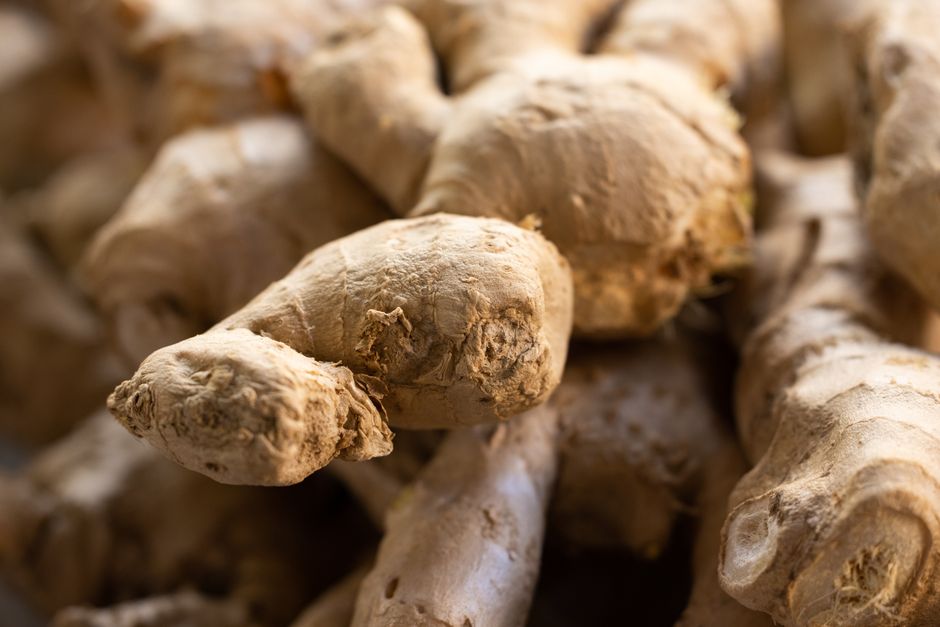
Raw ginger is not bad for most people. It is a common food and spice with a long history of culinary and traditional medicinal use. But “not bad” is not the same as “no effects.” Chewing a slice of raw ginger or drinking strong ginger tea can cause mouth burning, heartburn, stomach discomfort, and in larger amounts, other symptoms worth knowing about.
The short answer: raw ginger is generally well tolerated in normal food amounts. Problems tend to show up with concentrated doses, with certain health conditions, or when ginger interacts with medications. This article explains what the evidence actually shows.
Is It Bad To Eat Raw Ginger Side Effects Explained
Ginger contains biologically active compounds, most notably gingerols and shogaols. These are the same compounds responsible for ginger’s characteristic bite and its effects on the body. They are also why ginger is not completely inert.
The most common side effects of eating raw ginger are gastrointestinal. These include:
- Burning or stinging sensation in the mouth and throat
- Heartburn or acid reflux
- Stomach upset or nausea (though ginger is also used to settle nausea)
- Belching
- Diarrhea, especially with larger amounts
These effects are typically mild and short-lived. They are more likely when you eat ginger on an empty stomach or in amounts beyond what you would normally use in cooking.
Ginger also has a mild blood-thinning effect. This is not a side effect most people notice, but it matters for certain individuals and is discussed in more detail below.
How Much Raw Ginger Is Too Much?
There is no official upper limit for ginger set by US regulatory agencies for general food use. That is an honest limitation of the evidence, not a reassurance that any amount is fine.
What is known: culinary amounts, roughly 1 to 2 grams of fresh ginger per day, are widely considered safe for most adults. Some clinical studies have used higher doses, often in the range of 1 to 3 grams per day, for specific purposes like nausea, and reported good tolerance in most participants. Doses above 4 grams per day are more likely to cause stomach upset and other side effects.
These figures come from research settings and general safety assessments, not from a formal government guideline for raw ginger consumption. If you are eating ginger as part of normal meals, you are very unlikely to approach problematic amounts.
The bigger risk is concentrated supplements. Ginger capsules and extracts can deliver much higher doses than food, and the side effect profile is different. This article focuses on raw ginger, but the distinction matters.
Who Should Be Careful With Raw Ginger?
Certain groups face higher risk from ginger’s effects, particularly its mild blood-thinning properties and its ability to stimulate digestion.
People on blood-thinning medications. Ginger may increase the effect of warfarin and similar anticoagulants, as well as antiplatelet drugs like aspirin and clopidogrel. Some research suggests ginger can affect platelet function. The clinical significance of this interaction is not fully established, but it is a recognized concern. If you take these medications, talk to your doctor before eating large amounts of raw ginger.
People with gallstones. Ginger stimulates bile production. If you have gallstones, this could potentially trigger discomfort or complications. The evidence here is limited, but the mechanism is plausible and some clinicians advise caution.
People with bleeding disorders. Because ginger may affect clotting, anyone with a bleeding disorder should be cautious with high intakes.
People with acid reflux or GERD. Raw ginger can worsen heartburn in some people. Others find it soothing. The response varies.
Pregnant women. Ginger is often used for morning sickness, and some evidence supports its effectiveness for nausea in pregnancy at doses around 1 gram per day. However, the safety data for higher doses is limited. Some sources suggest avoiding amounts above 1 gram per day during pregnancy. No clinical guidelines establish a safe upper limit for raw ginger in pregnancy. If you are pregnant, discuss ginger with your healthcare provider before using it in medicinal amounts.





Does Raw Ginger Interact With Medications?
Yes, ginger can interact with certain medications. The interactions are not as well studied as those of many prescription drugs, but they are real enough to note.
The main concern is blood-thinning drugs, as mentioned above. Ginger may also interact with:
- Diabetes medications — ginger may lower blood sugar, which could add to the effect of these drugs
- Calcium channel blockers — some evidence suggests ginger can affect how these blood pressure medications work
- Cyclosporine — a medication used after organ transplants, which ginger may affect
For most people eating ginger in food amounts, these interactions are unlikely to be significant. The risk rises with concentrated doses and with medications that have a narrow safety margin.
This is not a complete list. If you take prescription medication and want to use ginger in larger amounts, check with a pharmacist or doctor. They can tell you whether your specific medications are a concern.
Can Raw Ginger Cause Allergic Reactions?
Ginger allergy is uncommon but possible. Symptoms can include rash, itching, swelling, and in rare cases, difficulty breathing. If you have a known allergy to ginger or related plants, avoid it.
Some people experience contact dermatitis from handling raw ginger. This is a skin reaction, not a food allergy, and it usually resolves on its own.
If you have never eaten raw ginger and have other food allergies, start with a small amount to see how you react. This is general advice for any new food, not specific to ginger.
What About Ginger and Blood Sugar?
Some studies suggest ginger may help lower blood sugar levels. This is an area of active research, and the results are not consistent across all studies. What matters for side effects is the direction of the effect: if ginger does lower blood sugar, it could theoretically increase the risk of hypoglycemia in people taking insulin or other glucose-lowering drugs.
For people without diabetes, this is not a concern at normal food amounts. For people with diabetes, it is worth monitoring blood sugar if you significantly increase your ginger intake.
Is Raw Ginger Different From Cooked or Dried Ginger?
Yes, the form matters. Raw ginger has a higher water content and a different mix of active compounds compared to dried ginger. Dried ginger is more concentrated by weight, so a small amount of dried ginger powder can deliver more gingerols than the same weight of fresh ginger.
Cooking changes the chemistry further. Heat can convert some gingerols into shogaols, which may have different potency. This does not make one form “better” or “worse” in a general sense, but it explains why side effects can differ depending on how you consume ginger.
If you are sensitive to ginger’s effects, raw ginger may be more irritating to the mouth and stomach than cooked ginger. Dried ginger, being more concentrated, may cause stronger systemic effects at lower amounts.
Does Raw Ginger Have Any Benefits?
Ginger has been studied for nausea, particularly motion sickness and nausea during pregnancy. Some evidence supports its use for these purposes. It has also been studied for pain, inflammation, and other conditions, but the evidence is mixed and not strong enough to call it a treatment.
The point here is not to promote ginger as a remedy. It is to say that the same compounds that may provide benefits are also responsible for the side effects. You cannot separate them entirely.
If you enjoy raw ginger and tolerate it well, there is no strong reason to avoid it. If you are using it for a specific health purpose, especially in large amounts, the risk-benefit calculation changes.
When Should You See a Doctor?
Most side effects from raw ginger are mild and go away on their own. Seek medical attention if you experience:
- Severe stomach pain
- Signs of an allergic reaction, such as swelling of the face or throat, or difficulty breathing
- Unusual bleeding or bruising
- Persistent diarrhea or vomiting
These symptoms are not typical of normal ginger consumption and could indicate something else. Do not assume ginger is the cause without checking with a healthcare provider.
Frequently Asked Questions
Is it bad to eat raw ginger every day?
No, eating raw ginger daily in food amounts is generally well tolerated by most people. Large amounts or concentrated doses may cause stomach upset or interact with medications.
What are the side effects of eating too much raw ginger?
Common side effects include heartburn, stomach discomfort, diarrhea, and a burning sensation in the mouth. In rare cases, it may increase bleeding risk or cause allergic reactions.
Can raw ginger interact with medications?
Yes, ginger may interact with blood thinners, diabetes medications, and some blood pressure drugs. If you take prescription medication, check with your doctor before using large amounts of ginger.
Is raw ginger safe during pregnancy?
Ginger is often used for morning sickness, and some evidence supports its use at around 1 gram per day. However, no clinical guidelines establish a safe upper limit for raw ginger in pregnancy, so talk to your healthcare provider first.
