
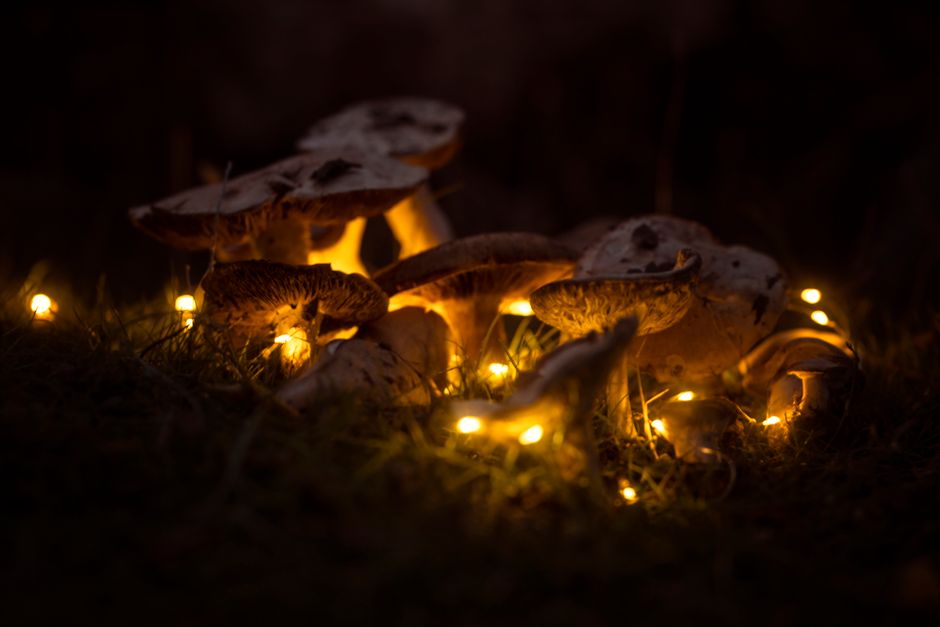
Magical mushroom is the common name for mushrooms that contain psilocybin, a naturally occurring psychedelic compound. These are not ordinary culinary mushrooms like portobello or shiitake. They are psychoactive fungi that, when consumed, produce changes in perception, mood, and thought. People have used them for centuries in cultural and spiritual ceremonies, and today they are the subject of serious medical research.
What Is Magical Mushroom? The Basics
Psilocybin is the active ingredient. When you eat the mushroom, your body converts psilocybin into psilocin. Psilocin is the chemical that actually affects the brain. It interacts with serotonin receptors, particularly the 5-HT2A receptor. This interaction is what leads to the altered state of consciousness people report.
There are over 200 species of mushrooms that contain psilocybin. The most well-known belong to the genus Psilocybe. These mushrooms are small, often brown or tan, and bruise blue when handled. That blue bruising is a telltale sign of psilocybin content, though it is not a guarantee of safety or potency.
What Does a Psilocybin Experience Feel Like?
The effects vary widely based on dose, the person, and the setting. A small dose might produce mild changes in thinking or a slight shift in mood. A larger dose can produce vivid visual patterns, altered sense of time, and deep introspective thoughts.
Physical effects can include dilated pupils, increased heart rate, and mild nausea. Some people feel energized. Others feel calm and heavy. The experience typically begins within 30 to 60 minutes of ingestion and lasts four to six hours.
Not every experience is positive. Confusion, fear, and paranoia can occur. This is sometimes called a “bad trip.” The risk of a difficult experience is real, and it is higher in unfamiliar settings or with people you do not trust.
What Is the Legal Status of Magic Mushrooms?
Psilocybin is a Schedule I substance under federal law in the United States. This means the federal government considers it to have a high potential for abuse and no accepted medical use. Possession, sale, and use are illegal under federal law.
However, state laws differ. Several states and cities have decriminalized or legalized psilocybin in some form. Oregon and Colorado have established regulated programs for supervised use in therapeutic settings. Other jurisdictions have reduced penalties for possession. These laws are changing quickly, so it is important to check the current rules in your specific location.
Legal status does not equal medical approval. Even in states with regulated programs, psilocybin is not approved as a general prescription medication. It is administered in controlled, supervised environments under specific protocols.



What Does Research Say About Medical Use?
Research into psilocybin therapy is active but still early. Studies have examined its potential for treatment-resistant depression, anxiety, and addiction. The results have been promising in controlled clinical settings, but the research is not complete.
Some studies suggest that a single psilocybin session, combined with psychological support, may reduce symptoms of depression for weeks or months. Research published in the New England Journal of Medicine and JAMA Psychiatry has reported positive outcomes in small trials. These trials involve carefully screened participants, trained therapists, and controlled doses. That is very different from taking mushrooms at home.
The evidence is not strong enough for psilocybin to be called a proven treatment. Larger trials are underway. The FDA has granted psilocybin “breakthrough therapy” designation for depression, which speeds up the research process. But this designation does not mean the drug is approved or proven. It simply signals that early evidence is promising enough to warrant faster study.
Are Magic Mushrooms Safe?
Physiologically, psilocybin is not considered highly toxic. Fatal overdoses are extremely rare. The body does not typically accumulate enough psilocybin to cause organ failure or death. This is different from many other recreational substances.
The risks are more psychological than physical. People with a personal or family history of schizophrenia or bipolar disorder may be at higher risk of triggering a psychotic episode. Psilocybin can also cause intense fear or panic during the experience. Some people report persistent changes in perception after use, a condition sometimes called Hallucinogen Persisting Perception Disorder, or HPPD.
There is no clinical guidance for safe use outside of research settings. If you are considering psilocybin for mental health reasons, the evidence-based path is to look for a clinical trial or a regulated state program. Self-medicating with mushrooms carries risks that the research studies are specifically designed to control for.
What Are the Risks of Taking Unknown Mushrooms?
This is where the real danger lies. Many toxic mushrooms look similar to psilocybin mushrooms. The Galerina genus, for example, contains deadly toxins and can be mistaken for Psilocybe species. Consuming a toxic lookalike can cause severe liver damage or death.
Even experienced foragers can make mistakes. The only way to be certain a mushroom is safe is to have it identified by an expert mycologist. Visual identification alone is not reliable. Spore prints and microscopic analysis are often required.
If you are buying mushrooms from an unregulated source, you have no way to verify what you are actually getting. The mushroom could be misidentified, contaminated, or mixed with other substances. There is no quality control in the illicit market.
How Is Psilocybin Used in Clinical Trials?
Clinical trials follow strict protocols. Participants are screened for physical and mental health conditions. They are not allowed to participate if they have certain risk factors, such as a history of psychosis. The psilocybin is administered in a comfortable, controlled room with trained facilitators present.
The session itself lasts several hours. Participants are encouraged to lie down, wear an eye mask, and listen to music. The facilitators do not direct the experience. They are there to provide support if the participant becomes distressed.
Psychological support before and after the session is a core part of the protocol. Participants typically have preparation sessions to build trust and set intentions. After the drug session, they have integration sessions to process the experience. This structure is considered essential. The drug alone is not the treatment. The therapy around it is part of the intervention.
What Is the Difference Between Psilocybin and Other Psychedelics?
Psilocybin is often compared to LSD. Both affect serotonin receptors and produce similar subjective effects. The main differences are duration and intensity. An LSD experience lasts longer, often 8 to 12 hours. Psilocybin effects typically fade within six hours.
DMT and ayahuasca are different. They are shorter-acting and produce more intense visual experiences. MDMA, sometimes called ecstasy, is not a classic psychedelic. It works through different brain pathways and is being studied separately for PTSD treatment.
Each substance has its own pharmacology, risks, and research history. They cannot be used interchangeably. The scientific community treats them as distinct compounds with distinct profiles.
What Should You Consider Before Using Psilocybin?
If you are thinking about psilocybin, consider the legal risk first. Federal law prohibits it. Even in decriminalized areas, there are limits on where and how it can be used.
Consider your mental health history. If you or a close family member has a history of psychotic disorders, the risk of harm increases significantly. There is no clinical evidence that psilocybin is safe for people in that category.
Consider your current life situation. Using psychedelics while going through a major life crisis or while taking certain medications, especially antidepressants like SSRIs, is not well studied. Drug interactions are not fully understood. The safest approach is to avoid combining psilocybin with other substances, including alcohol and prescription medications.
There is no reliable way to predict how you will react. Set and setting matter, but they do not guarantee a positive experience. Anyone considering psilocybin should be honest about the uncertainty involved.
Frequently Asked Questions
Can you overdose on magic mushrooms?
Fatal overdoses are extremely rare, but the compound can cause severe psychological distress, panic, and dangerous behavior. The bigger risk is consuming a toxic lookalike mushroom that can cause liver failure or death.
Are magic mushrooms addictive?
Psilocybin is not considered highly addictive, and physical dependence is uncommon. However, psychological dependence and repeated use for coping can occur.
How long do magic mushroom effects last?
The acute effects typically last four to six hours, with the peak occurring around two to three hours after ingestion. Residual effects on mood and thinking can last longer.
Can magic mushrooms help with depression?
Some clinical trials show promising results for treatment-resistant depression when psilocybin is combined with professional psychological support. It is not an approved treatment, and self-medicating is not supported by current evidence.
