
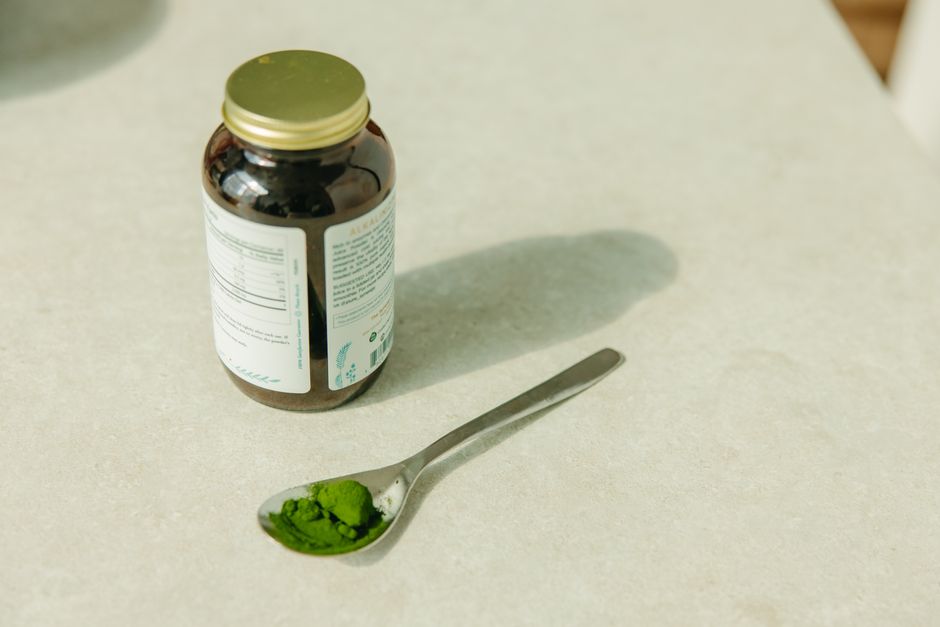
Matcha tea is powdered green tea made from specially grown and processed tea leaves. Unlike regular green tea where you steep the leaves and remove them, matcha involves whisking the whole powdered leaf into water. This means you consume the entire leaf, getting more nutrients and caffeine than you would from a standard cup of steeped green tea.
It is not a special plant or a different species of tea. It comes from the same Camellia sinensis plant as all true teas. The difference is in how it is grown and prepared. Farmers shade the plants for several weeks before harvest, which boosts chlorophyll levels and amino acid content. After harvest, the leaves are steamed, dried, and ground into a fine powder.
Matcha has been part of Japanese tea ceremonies for centuries. In recent years it has become popular worldwide in lattes, smoothies, and baked goods. But the traditional preparation is simple: whisk the powder with hot water and drink it directly.
Does Matcha Tea Actually Have More Antioxidants Than Regular Green Tea?
Yes, significantly more. Because you consume the whole leaf, matcha delivers a much higher concentration of catechins — the antioxidant compounds found in green tea. Research published in the Journal of Chromatography found that matcha contains roughly 137 times more epigallocatechin gallate (EGCG) than standard brewed green tea.
EGCG is the catechin most studied for its potential health benefits. It has been linked to reduced inflammation, improved heart health markers, and possible cancer cell inhibition in lab studies. However, these are mostly cell and animal studies. Human research is more limited, and the doses used in studies are often much higher than what you could get from a single cup of matcha.
The antioxidant content is real. But the hype around “superfood” status often overstates what these antioxidants actually do inside your body. Drinking matcha regularly may support your body’s defense system. It is not a cure for any disease.
What Is the Caffeine Content of Matcha Compared to Coffee?
A standard cup of matcha (one teaspoon of powder whisked into water) contains about 60 to 80 milligrams of caffeine. A typical cup of brewed coffee contains roughly 95 to 200 milligrams depending on the beans and brewing method. So matcha has less caffeine than coffee but more than regular steeped green tea, which has about 20 to 30 milligrams per cup.
The bigger difference is how the caffeine feels. Matcha contains an amino acid called L-theanine, which promotes a state of calm alertness. L-theanine is known to increase alpha brain waves, which are associated with relaxation without drowsiness. This combination of caffeine and L-theanine creates what many people describe as a “calm energy” — focused but not jittery.
Coffee gives a sharper spike in energy followed by a more noticeable crash. Matcha provides a slower, steadier release. If you are sensitive to coffee’s side effects like anxiety or digestive upset, matcha may be a better option. But it still contains caffeine and can cause sleep problems if consumed late in the day.
How Do You Prepare Matcha Tea Correctly?
Traditional preparation uses a bamboo whisk called a chasen, a ceramic bowl, and a small scoop. But you do not need special tools to make a decent cup. Here is the basic method:
- Sift one teaspoon of matcha powder into a bowl or mug. Sifting prevents clumps.
- Add about two ounces of hot water — not boiling. Water around 175°F (80°C) works best. Boiling water makes matcha taste bitter.
- Whisk vigorously in a zigzag motion, not a circular stir. This creates a smooth, frothy consistency.
- Add more hot water to fill the cup if you prefer a milder taste. Or use it as a base for a latte with warm milk.
Do not drink matcha that looks clumpy or gritty. That usually means the powder was not sifted or the water was too cool. A properly whisked matcha should be smooth with a thin layer of foam on top.
There are two main grades of matcha. Ceremonial grade is the highest quality, made from the youngest leaves. It has a vibrant green color and a smooth, sweet taste. It is meant to be drunk plain with just water. Culinary grade is slightly more bitter and less vibrant. It works well in lattes, smoothies, and baking. Using ceremonial grade in a latte is a waste of money.
What Are the Proven Health Benefits of Matcha?
The evidence for matcha’s health benefits is promising but not as dramatic as many articles claim. Here is what the research actually shows:
Heart health. A 2021 review in the European Journal of Nutrition found that green tea consumption is linked to lower risk of heart disease and stroke. The catechins in matcha may help reduce LDL cholesterol and improve blood vessel function. The effect is modest but consistent across multiple studies.
Brain function. The combination of caffeine and L-theanine has been shown to improve attention, reaction time, and memory in controlled studies. A study from Appetite journal found that participants who consumed matcha performed better on cognitive tasks compared to a placebo group. The effect lasted for several hours.
Weight management. Some studies suggest that green tea extract can slightly increase calorie burning and fat oxidation. The effect is small — about 4 to 5 percent increase in energy expenditure — and mostly comes from high-dose supplements, not from drinking matcha. Relying on matcha alone for weight loss will not produce meaningful results.
Liver health. A 2020 meta-analysis in the International Journal of Molecular Sciences found that regular green tea consumption is associated with lower liver enzyme levels, indicating better liver function. The effect is strongest in people who already have elevated enzymes. Again, this is based on green tea generally, not matcha specifically.
The bottom line: matcha is a healthy drink. It is not a medical treatment. It supports good health when part of an otherwise balanced diet and lifestyle.
What Are the Side Effects and Risks of Matcha?
Matcha is safe for most people in moderate amounts. But there are a few things to be aware of.
Caffeine sensitivity. Matcha contains enough caffeine to cause anxiety, insomnia, rapid heartbeat, or digestive upset in people who are sensitive. One cup is usually fine. Three or four cups in a day can cause problems for some individuals.
Heavy metal contamination. Because matcha is the whole ground leaf, it can contain higher levels of lead and other heavy metals than steeped green tea. A 2019 investigation by ConsumerLab found that some matcha products contained lead levels above the safe limit for daily consumption. The risk is real, especially with lower-quality matcha from regions with soil contamination. Buying from reputable brands that test their products can reduce this risk.
Liver toxicity. There are rare case reports of liver injury linked to high-dose green tea extract supplements. This is not the same as drinking matcha. No cases have been reported from drinking matcha itself. But if you have a pre-existing liver condition, it is worth discussing with your doctor before adding large amounts of matcha to your diet.
Drug interactions. The vitamin K content in matcha can interfere with blood-thinning medications like warfarin. The caffeine can also interact with certain medications for heart conditions or anxiety. If you take prescription medication, check with your doctor before drinking matcha regularly.
Common Misconceptions About Matcha
One widespread myth is that matcha is a “superfood” that can detox your body or cure cancer. No single food has that power. The term “superfood” is a marketing label, not a scientific category. Matcha is healthy, but it is not magic.
Another misconception is that all matcha is the same. Quality varies dramatically. Bright green color and fine texture are signs of good matcha. Dull brownish-green powder with a coarse feel is low quality and will taste bitter. Pay attention to where the matcha is sourced from. Japan, particularly the Uji region, is known for high-quality matcha. China also produces matcha, but quality control is less consistent.
A third myth is that matcha is calorie-free. It is not. A teaspoon of matcha powder contains about 3 to 4 calories. That is negligible. But matcha lattes made with whole milk and sweeteners can easily add 200 to 300 calories per serving. The drink itself is healthy. What you add to it matters.
What Is the Best Way to Buy and Store Matcha?
Look for matcha that is bright green in color. Dull or yellowish powder is old or low quality. The texture should be fine and silky, not gritty. Check the ingredients list — it should contain only one ingredient: green tea powder. Avoid blends with added sugar, milk powder, or artificial flavors.
Storage matters. Matcha degrades quickly when exposed to light, heat, and air. Keep it in an airtight container in a cool, dark place. The refrigerator works well, but let the container come to room temperature before opening to prevent moisture from condensing inside. Use matcha within three to six months of opening for best flavor and potency.
Price is a reasonable indicator of quality. Good ceremonial grade matcha costs between $20 and $40 for a 30-gram tin. Culinary grade is cheaper, usually $10 to $20 for the same amount. If the price seems too good to be true, the quality is likely poor.
Frequently Asked Questions
Is matcha tea safe to drink every day?
Yes, one to two cups per day is safe for most healthy adults. If you are sensitive to caffeine or have a medical condition, consult your doctor first.
Does matcha tea help with weight loss?
Some studies show a small increase in calorie burning, but the effect is modest. Matcha is not a weight loss supplement on its own.
Can you drink matcha on an empty stomach?
Yes, but some people experience nausea due to the caffeine and tannins. If that happens, try drinking it with food.
How much caffeine is in one cup of matcha?
About 60 to 80 milligrams per teaspoon of powder. That is roughly half the caffeine of a typical cup of coffee.
