
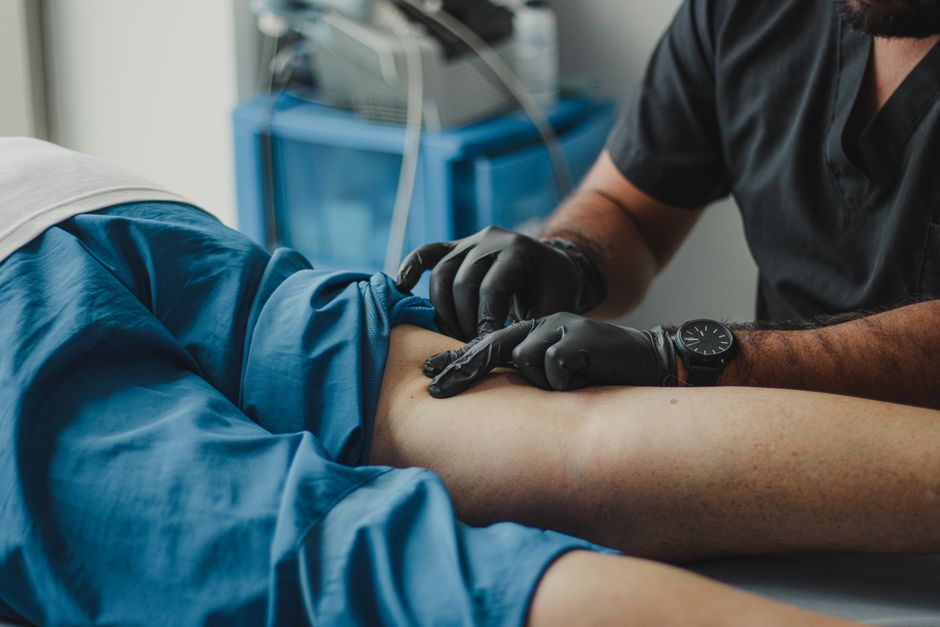
Lipo to the flanks is a cosmetic surgery procedure that removes stubborn fat from the sides of your waist, often called love handles. The procedure uses a thin tube called a cannula to suction out fat cells through small incisions. Results typically appear within a few weeks as swelling goes down, with the final contour visible after three to six months.
What Exactly Is Lipo To The Flanks?
Lipo to the flanks targets the area between your ribs and hips on both sides of your torso. Surgeons call this area the flank region. Most people know it as love handles or muffin top.
The procedure is a form of liposuction. It is not a weight loss method. It removes pockets of fat that do not respond to diet and exercise. The American Society of Plastic Surgeons reports that liposuction of the flanks is one of the most common body contouring procedures in the United States.
During surgery the surgeon makes two to four small incisions along the waistline. A tumescent solution containing saline, lidocaine, and epinephrine is injected first. This numbs the area and reduces bleeding. Then the cannula breaks up and suctions out fat cells.
Who Is a Good Candidate For Flank Liposuction?
Good candidates are people within 30 percent of their ideal body weight. They have stable weight for at least six months. The fat on their flanks is pinchable and does not go away with exercise.
Skin elasticity matters. If your skin snaps back quickly after you pinch it, you will likely see smooth results. Loose skin may not tighten enough after fat removal, which can leave a sagging appearance.
Smokers are generally not good candidates because smoking impairs healing and increases complication risks. The CDC states that smoking slows wound healing and raises infection rates after surgery. Most surgeons require you to quit at least four weeks before and after the procedure.
People with certain health conditions should avoid flank liposuction. These include uncontrolled diabetes, heart disease, blood clotting disorders, and autoimmune diseases that affect healing. Always discuss your full medical history with a board-certified plastic surgeon.
How Is The Procedure Performed Step By Step?
The procedure usually takes one to two hours. It is done under local anesthesia with sedation or general anesthesia depending on how much fat is removed and your surgeon’s preference.
Here is a typical sequence:
- Markings are drawn on your skin while you stand. This maps where fat will be removed.
- Tumescent fluid is injected into the flanks. This fluid contains lidocaine to numb the area and epinephrine to constrict blood vessels.
- The surgeon waits 15 to 30 minutes for the fluid to take effect. This also helps loosen fat cells.
- Small incisions about a quarter inch long are made in natural skin creases.
- A cannula connected to a vacuum device is inserted through the incisions. The surgeon moves it back and forth to break up fat.
- Fat is suctioned out through the cannula into a collection canister.
- Incisions are closed with stitches or left open to drain fluid. Compression garments are applied.
Some surgeons use ultrasound-assisted liposuction or laser-assisted liposuction. Research published in the Aesthetic Surgery Journal found that these technologies do not produce better results than traditional tumescent liposuction for flank fat. They add cost without proven benefit for this specific area.





What Results Can You Expect and How Long Do They Last?
Swelling is significant in the first week. You will look worse before you look better. Most patients see a noticeable difference at four to six weeks. The final result is visible at three to six months when all swelling has resolved.
Results are permanent in the sense that fat cells do not grow back. Once suctioned out they are gone for good. However remaining fat cells in the area can still expand if you gain weight. The American Board of Cosmetic Surgery warns that weight gain after liposuction often redistributes to other areas like the abdomen or back.
A study in Plastic and Reconstructive Surgery followed patients for five years after flank liposuction. Those who maintained stable weight kept their results. Patients who gained more than 10 pounds after surgery lost the contour improvement.
Scars from the incisions are small and fade over time. They are usually hidden in the waistband area or natural skin folds. Most people cannot see them once healed.
What Are the Side Effects and Risks?
Common side effects include bruising, swelling, and soreness for one to two weeks. Numbness in the treated area is normal and can last several months. Seromas, which are fluid pockets under the skin, occur in about 5 percent of cases and may need drainage.
More serious risks are rare but real. They include infection, blood clots, damage to deeper tissues, and fat embolism where fat enters the bloodstream and travels to the lungs. A fat embolism is a medical emergency. The American Society for Aesthetic Plastic Surgery estimates the rate of serious complications from liposuction at less than 1 percent when performed by a board-certified surgeon in an accredited facility.
Irregular contours or asymmetry can happen. This is more common when too much fat is removed or when the surgeon does not have enough experience with flank anatomy. Choosing a surgeon who performs flank liposuction regularly reduces this risk.
Skin laxity after fat removal is possible. People over 40 or those with poor skin elasticity are more likely to experience loose skin. Some patients need a second procedure like a flank lift to tighten the skin.
How Does Flank Liposuction Compare to Other Body Contouring Options?
| Procedure | Best For | Recovery Time | Fat Reduction |
|---|---|---|---|
| Flank Liposuction | Pinchable fat with good skin elasticity | 1-2 weeks downtime | Significant |
| CoolSculpting | Smaller fat pockets, no surgery desired | No downtime | Moderate, 20-25% reduction per session |
| Emsculpt Neo | Muscle building plus some fat reduction | No downtime | Mild, 10-15% reduction per session |
| Flank Lift | Loose skin with or without excess fat | 2-4 weeks downtime | Minimal, mainly skin removal |
The table shows that liposuction removes the most fat in a single session. Non-surgical options require multiple sessions and produce less dramatic results. A flank lift addresses loose skin but does not remove significant fat.
Some people wonder if exercise can spot-reduce flank fat. Research is clear that spot reduction does not work. When you lose weight your body decides where fat comes off. For most people the flanks are among the last areas to shrink. This is why liposuction is the only reliable way to remove flank fat permanently.
What Is The Recovery Process Like?
You will wear a compression garment around your waist for four to six weeks. This reduces swelling and helps the skin adhere to the underlying tissue. Most surgeons recommend wearing it 24 hours a day for the first two weeks then 12 hours a day after that.
Pain is manageable with prescription medication for the first few days. Most patients switch to over-the-counter pain relievers after day three. You can walk carefully the day after surgery but should avoid bending or twisting.
Return to work depends on your job. Desk workers can go back in three to five days. Jobs requiring physical labor need two to four weeks off. Exercise like running or weightlifting should wait four to six weeks. Your surgeon will clear you based on how you heal.
Drainage tubes are sometimes placed under the skin to remove excess fluid. They are removed within one week. Not all surgeons use drains for flank liposuction. If you have them you will need to empty and measure the fluid at home.
What Does Research on Flank Liposuction Show?
A 2022 study in the Aesthetic Surgery Journal reviewed outcomes from 1,200 flank liposuction patients. Patient satisfaction rates were above 85 percent at one year. The most common reason for dissatisfaction was insufficient fat removal, which happened in about 8 percent of cases.
The same study found that combining flank liposuction with abdominal liposuction did not increase complication rates. Many patients choose to have both areas treated in one session for a smoother overall contour.
Research from the Journal of Plastic and Reconstructive Surgery has shown that fat cells in the flank region are more fibrous than fat in other areas like the thighs or abdomen. This means the surgeon needs more force to break up the fat. Surgeons experienced with flank anatomy get better results and have fewer contour irregularities.
There is no high-quality evidence that any specific type of liposuction technology produces superior results for the flanks. Traditional tumescent liposuction remains the gold standard because it is effective, safe, and less expensive than laser or ultrasound methods.
Frequently Asked Questions
How much does flank liposuction cost?
The average cost ranges from $3,500 to $8,000 depending on your surgeon, location, and facility fees. This does not include anesthesia or compression garments.
Will flank liposuction get rid of back fat too?
Standard flank liposuction only treats the sides of the waist. If you have fat on your lower back that is a separate area that may need a different treatment plan.
Can flank fat come back after liposuction?
Fat cells removed are gone permanently. But remaining fat cells can grow larger if you gain weight, which can make the flanks look full again.
How long before I can exercise after flank liposuction?
Most surgeons recommend waiting four to six weeks before returning to full exercise. Light walking is encouraged right away to prevent blood clots.
