
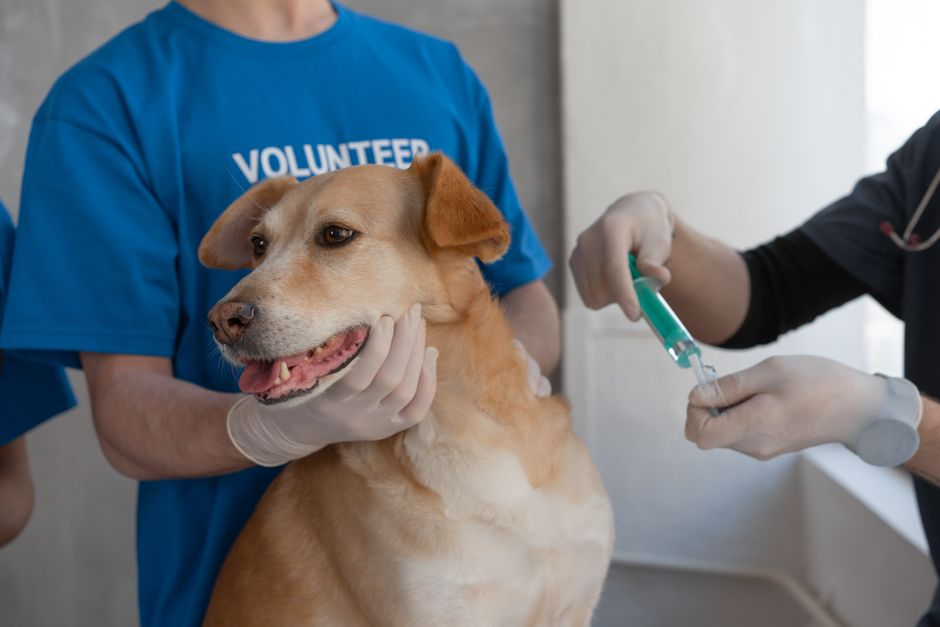
Kennel cough is a common contagious respiratory infection in dogs, and in most healthy adult dogs it clears up on its own within one to three weeks. Treatment is usually supportive: rest, good hydration, and keeping the dog away from other dogs until the cough resolves. Antibiotics are not routine for uncomplicated cases. The time to worry is when a cough lasts longer than about three weeks, or when it comes with warning signs like fever, lethargy, loss of appetite, or difficulty breathing.
What Is Kennel Cough Treatment And When To Worry?
For most healthy dogs, treatment means letting the body clear the infection while you make the dog comfortable. That usually means rest, access to water, and avoiding situations that make coughing worse, such as pulling on a collar or heavy exercise.
Kennel cough is not one disease. It is a syndrome — a pattern of signs — that can be triggered by several different viruses and bacteria, alone or together. The most familiar cause is Bordetella bronchiseptica, a bacterium. Others include canine parainfluenza virus and canine adenovirus type 2. Because the cause varies, treatment varies too, and that is part of why antibiotics are not a blanket answer.
The cough itself is the main problem in a typical case. It is often dry and honking, and it can sound worse than the dog feels. Many dogs stay alert and keep eating and drinking normally throughout.
What Causes Kennel Cough?
Kennel cough spreads through the air and through direct contact. When an infected dog coughs, droplets carrying the organism travel a short distance. Shared water bowls, toys, and close quarters in boarding kennels, shelters, dog parks, and grooming salons all make transmission easier. That is where the name comes from, though a dog can pick it up anywhere dogs gather.
The incubation period is generally a few days to about a week after exposure. An infected dog can shed the organism and be contagious before signs appear and for a period after they fade, which is one reason outbreaks are hard to contain.
Not every exposed dog gets sick. Age, stress, crowded conditions, and vaccination status all influence whether an infection takes hold. Vaccines against Bordetella and parainfluenza exist and reduce risk, but they do not eliminate it entirely. No vaccine is perfect, and immunity from the injectable and intranasal forms differs. Your veterinarian is the right person to discuss which form fits your dog.
What Are the Signs of Kennel Cough?
The hallmark is a persistent cough that often sounds like something is stuck in the throat. Some owners describe a honking or retching quality. The cough may be triggered by excitement, exercise, or pressure on the windpipe from a leash.
Other common signs include:
- A runny nose or sneezing
- Mild eye discharge
- A low-grade fever in some dogs
- Occasional gagging or retching after a coughing fit
Many dogs otherwise act normal. They eat, drink, and stay active. That picture — a loud cough in a dog that seems fine — is the classic uncomplicated case. When a dog looks genuinely unwell, that is a different situation and deserves a call to the vet.





How Is Kennel Cough Treated?
Supportive care is the foundation. Most dogs recover without medication. Rest and avoiding strenuous activity help reduce coughing fits. Keeping the dog warm and away from smoke, dust, and other airway irritants is sensible. A harness instead of a collar avoids pressure on the throat.
Antibiotics are used when a veterinarian suspects a bacterial cause or a secondary bacterial infection, or when the dog is at higher risk — very young puppies, older dogs, or dogs with other health problems. This is a clinical judgment, not a routine step. Some clinicians prescribe cough suppressants for dogs that cannot rest because of constant coughing, but this is not appropriate for every case and should only be done under veterinary guidance.
Here is where owners often go wrong: they assume a cough needs an antibiotic the way a sore throat sometimes does in people. For a mild, uncomplicated case in a healthy dog, that is usually not how it works. Overusing antibiotics carries its own costs, including resistant bacteria and side effects. The decision belongs with a veterinarian who has examined the dog.
Do not give human cough medicines or any over-the-counter product to a dog without veterinary direction. Some ingredients that are safe for people are not safe for dogs.
When Should You Worry About Kennel Cough?
Most cases resolve on their own. The concern is the minority that do not, or that come with signs pointing to something more serious. Call your veterinarian promptly if you see any of the following:
- A cough that lasts longer than about three weeks or keeps getting worse
- Fever, lethargy, or a dog that stops eating or drinking
- Difficulty breathing, fast or labored breathing, or gums that look pale or bluish
- A wet, productive cough or coughing up material
- Weight loss
- A very young puppy, an older dog, or a dog with a weakened immune system showing signs
These signs can point to pneumonia or another condition that needs treatment. Kennel cough and pneumonia can look similar at the start, and only a veterinarian can tell them apart with an exam and, if needed, imaging. When in doubt, a phone call costs little and can catch a problem early.
One clarification worth making: a honking cough is not automatically kennel cough. Other problems — a collapsing windpipe, heart disease, or something lodged in the airway — can produce a similar sound. That is another reason a cough that does not follow the usual pattern deserves a look.
How Long Does Kennel Cough Last?
In uncomplicated cases, the cough typically improves within one to three weeks. Some dogs cough for longer, and a lingering dry cough after the infection clears is not unusual. Recovery time varies with the dog’s age, overall health, and the organism involved.
Because a dog can remain contagious after signs fade, keep it away from other dogs until your veterinarian says it is safe. That usually means waiting until the cough has fully resolved. This matters most in households with multiple dogs and in any setting where dogs mix.
How Can You Reduce the Risk?
Vaccination is the main preventive tool, and it is especially worth discussing if your dog boards, goes to daycare, competes, or frequents dog parks. Talk with your veterinarian about which vaccines fit your dog’s lifestyle and risk.
Beyond vaccination, limiting close contact with coughing dogs, not sharing bowls or toys with unknown dogs, and keeping a sick dog home all reduce spread. If your dog has been in a setting where kennel cough was going around, watch for signs in the days that follow.
Frequently Asked Questions
Does kennel cough go away on its own?
In most healthy adult dogs, yes — the infection clears without medication, usually within one to three weeks. Dogs that are very young, older, or otherwise unwell may need veterinary care.
Do dogs with kennel cough need antibiotics?
Not routinely. Antibiotics are used when a veterinarian suspects a bacterial cause or a secondary infection, or when the dog is at higher risk.
How long should I keep my dog away from other dogs with kennel cough?
Keep it isolated until the cough has fully resolved and your veterinarian confirms it is safe, since a dog can stay contagious after signs fade.
When should I take my dog to the vet for kennel cough?
Call your veterinarian if the cough lasts longer than about three weeks or comes with fever, lethargy, loss of appetite, or trouble breathing.
