
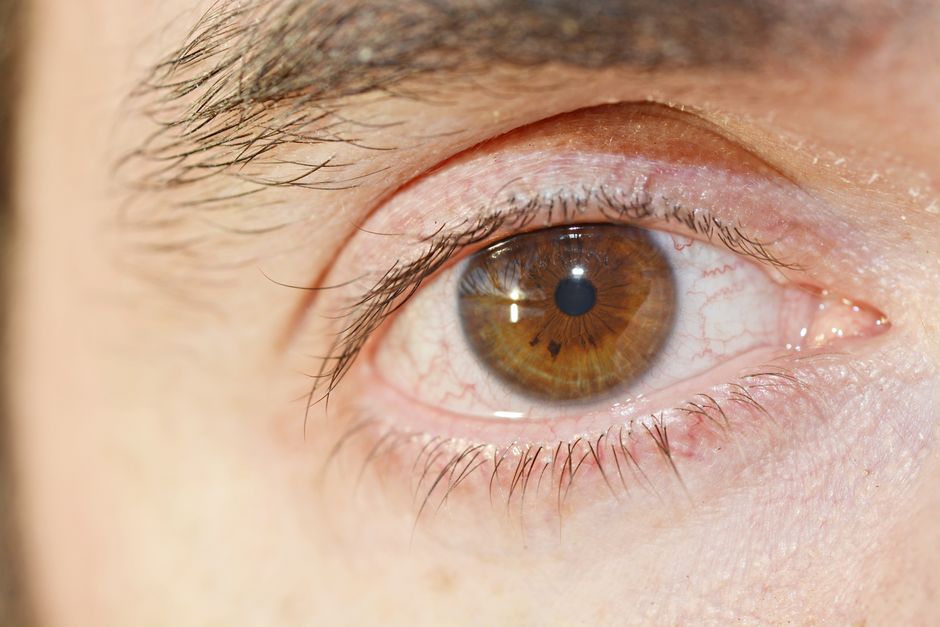
Your eyes itch, water, and turn pink — often on both sides at once, and often on the same day every spring or every time you visit a house with a cat. That pattern is the signature of allergic conjunctivitis, an inflammation of the clear membrane that lines the inside of your eyelids and covers the white of your eye. It happens when your immune system mistakes a harmless substance, like pollen or pet dander, for a threat and releases histamine and other chemicals in response. The result is itching, redness, tearing, and swelling. It is not contagious, it does not damage your vision, and it can usually be managed with avoidance measures and over-the-counter treatments.
What Is Allergic Conjunctivitis Symptoms Treatment?
Allergic conjunctivitis is inflammation of the conjunctiva caused by an allergic reaction rather than an infection. The conjunctiva is the thin, transparent tissue that covers the white part of your eye and the inner surface of your eyelids. When an allergen lands on it, immune cells called mast cells release histamine. That chemical triggers the itching, redness, and tearing that define the condition.
There are two main forms. Seasonal allergic conjunctivitis shows up during specific pollen seasons and is often part of hay fever. Perennial allergic conjunctivitis happens year-round and is usually triggered by indoor allergens like dust mites, mold, or pet dander. A third form, contact allergic conjunctivitis, comes from direct contact with a substance such as certain eye drops, cosmetics, or preservatives.
The hallmark symptom is itching. If your eyes are red and watery but do not itch, allergy is a less likely explanation. That distinction matters because it separates allergic conjunctivitis from viral or bacterial pink eye, which have different causes and different care.
What Are the Most Common Symptoms?
Itching is the symptom that points most strongly toward allergy. It is usually present in both eyes, though one may be more affected than the other. Alongside it, you may notice:
- Redness in the white of the eye or inner eyelid
- Watery discharge that is clear and thin
- Swelling of the eyelids
- A gritty or burning feeling
- Light sensitivity
- Puffy, dark-tinged skin under the eyes, sometimes called allergic shiners
Many people with allergic conjunctivitis also have other allergy symptoms at the same time, such as sneezing, a runny nose, or an itchy throat. The eyes and nose are lined by similar tissue, so they often react together.
One non-obvious point: the discharge in allergic conjunctivitis is typically clear and stringy, not thick and yellow-green. Thick colored discharge suggests infection, not allergy, and changes what you should do next.
How Is It Different From Pink Eye?
Allergic conjunctivitis is one of several conditions that make eyes red, and telling them apart matters because the care is different. Viral conjunctivitis, often called pink eye, is caused by a virus and spreads easily from person to person. Bacterial conjunctivitis is caused by bacteria and usually produces thick discharge. Neither is triggered by allergens.
The table below compares the general patterns. These are typical features, not rules — a doctor’s exam is the reliable way to tell them apart when it is unclear.
| Feature | Allergic | Viral | Bacterial |
|---|---|---|---|
| Itching | Common and often intense | Rare or mild | Rare or mild |
| Discharge | Clear and watery or stringy | Watery | Thick, yellow or green |
| Both eyes | Usually | Often starts in one, may spread | Often one, can be both |
| Contagious | No | Yes | Yes |
| Other allergy signs | Sneezing, runny nose common | Cold symptoms possible | Usually none |
If you have thick colored discharge, significant pain, or vision changes, see a doctor. Those features are not typical of simple allergic conjunctivitis.





What Triggers Allergic Conjunctivitis?
The trigger is whatever your immune system has flagged as an allergen. Outdoor triggers include tree, grass, and weed pollen, which vary by season and region. Indoor triggers include dust mites, mold spores, pet dander, and cockroach particles. Some people react to contact lens solutions, preservatives in eye drops, or ingredients in cosmetics.
Because the reaction depends on prior sensitization, you can develop an allergy to something you have been around for years without trouble. That is a common reason people are surprised by new eye symptoms around a pet or during a pollen season they never noticed before.
Knowing your trigger helps you avoid it. Many people can connect their symptoms to a season, a location, or a specific exposure once they start paying attention to the pattern.
How Is Allergic Conjunctivitis Treated?
Treatment works on two fronts: reducing your exposure to the allergen and calming the immune reaction in the eye. For mild cases, avoidance and cool compresses are often enough. For more bothersome symptoms, several over-the-counter options exist.
Artificial tears can rinse allergens from the eye surface and soothe irritation. Used as needed, they are a reasonable first step, especially after outdoor exposure.
Antihistamine eye drops block histamine and relieve itching. Some are available over the counter. Mast cell stabilizers prevent the release of histamine and work best when started before exposure and used regularly through allergy season, since they take time to build effect. Some drops combine both actions.
Oral antihistamines can help when eye symptoms come with nasal or whole-body allergy symptoms, though they may dry the eyes for some people.
For symptoms that do not respond to these measures, a doctor may recommend prescription options, including topical corticosteroids for short-term use. Steroid eye drops carry real risks, including raised pressure inside the eye and, with prolonged use, other serious effects. They should be used only under a doctor’s supervision and not borrowed from someone else.
Cold compresses and avoiding eye rubbing help in the moment. Rubbing releases more histamine and tends to make itching worse.
How Can You Prevent Allergy Eye Symptoms?
Prevention centers on lowering your exposure to the allergen. These steps help many people:
- Keep windows closed during high-pollen periods and use air conditioning with a clean filter
- Shower and change clothes after spending time outdoors during pollen season
- Wear wrap-around sunglasses outdoors to reduce pollen contact with the eyes
- Wash bedding regularly in hot water to reduce dust mites
- Keep pets out of the bedroom if dander is a trigger
- Avoid rubbing your eyes
Starting a mast cell stabilizer before your known allergy season can reduce how severe symptoms become. That timing matters more than most people realize — these drops prevent the reaction rather than reversing it once it is underway.
When Should You See a Doctor?
See a doctor if you have eye pain, sensitivity to light that is severe, vision changes, thick colored discharge, or symptoms that do not improve with over-the-counter treatment. These can point to conditions other than allergy, including infection or other eye problems that need different care.
Also see a doctor if symptoms are frequent or severe enough to disrupt your daily life. Some people benefit from allergy testing to identify specific triggers, and some may be referred to an allergist for further management.
Contact lens wearers should stop wearing lenses and seek advice if they develop red, painful eyes, since contact lens-related problems can be serious and are not the same as allergy.
Frequently Asked Questions
Is allergic conjunctivitis contagious?
No, allergic conjunctivitis is not contagious because it is caused by an immune reaction to an allergen, not by an infectious organism. You cannot pass it to others or catch it from someone.
How long does allergic conjunctivitis last?
It lasts as long as you are exposed to the allergen, so seasonal cases can persist through the pollen season and indoor cases can continue with ongoing exposure. Symptoms often improve quickly once the trigger is removed or treatment begins.
Can allergic conjunctivitis affect your vision?
Simple allergic conjunctivitis does not damage your vision, though temporary blurriness can occur from tearing or swelling. Any lasting change in vision should be checked by a doctor.
What is the fastest way to relieve itchy allergy eyes?
Cool compresses, artificial tears to rinse away allergens, and antihistamine eye drops are common first steps for quick relief. Avoid rubbing your eyes, which releases more histamine and worsens itching.
