
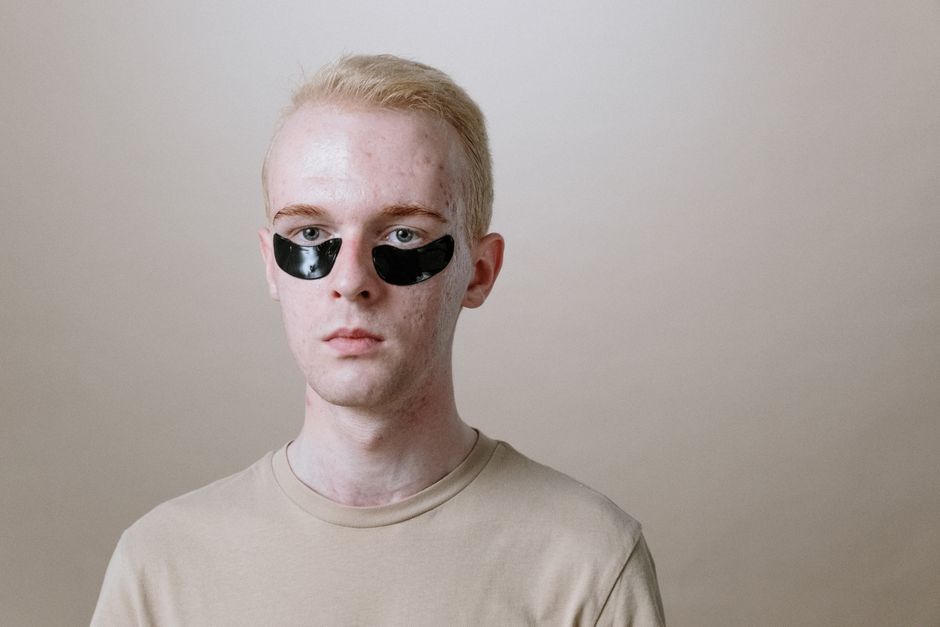
Dry eye disease is far more common than most people realize, and for millions of Americans, it goes beyond a minor annoyance. If you have tried artificial tears and warm compresses without lasting relief, you may have heard about intense pulsed light (IPL) therapy. IPL treatment for dry eyes uses pulses of light to target inflammation on the eyelids. It is not a new laser, but rather a broad-spectrum light therapy. Clinical evidence shows it can reduce symptoms for a specific type of dry eye, though it does not work for everyone.
What Is IPL Treatment For Dry Eyes And Does It Work?
IPL stands for intense pulsed light. In eye care, it is a clinic-based treatment for a condition called meibomian gland dysfunction (MGD). MGD is the leading cause of evaporative dry eye. Your eyelids contain tiny glands that produce the oily layer of your tears. When these glands become blocked or inflamed, the oil cannot reach the tear film. Tears evaporate too quickly, leaving the eye dry, gritty, and irritated.
IPL delivers controlled pulses of light to the skin around the lower eyelids. The light energy is absorbed by the tissue and blood vessels, which helps reduce inflammation and kill certain bacteria that contribute to gland blockage. After the light pulses, a doctor typically expresses the glands to push out the thickened oil. The treatment aims to restore normal oil flow, stabilize the tear film, and reduce dry eye symptoms.
Does it work? Yes, for many people with MGD. Research consistently shows that IPL reduces dry eye symptoms and improves gland function in patients who have not responded to standard treatments. However, it is not a cure for all dry eye. It works best when the root cause is meibomian gland blockage, not dry eye caused by other factors like autoimmune disease or severe environmental exposure.
How Is IPL Different From Laser Treatment?
IPL is not a laser. Lasers use a single wavelength of light, while IPL uses a broad spectrum of light. The difference matters for safety and purpose. Lasers are precise and can target very specific tissues. IPL is less precise and affects a wider area of tissue.
In dermatology, IPL is used for skin conditions like rosacea and sun damage. The same technology was adapted for eye care after doctors noticed that patients receiving IPL for facial rosacea also reported improvement in their dry eye symptoms. This observation led to targeted studies and eventually to IPL devices designed specifically for eyelid treatment.
Because IPL is a light therapy rather than a laser, it does not remove tissue or vaporize anything. It works by heating the tissue gently and stimulating a biological response. This makes it a relatively gentle procedure when performed correctly, but it still carries risks if done improperly.
Who Is A Good Candidate For IPL?
IPL is not a first-line treatment. Most eye doctors recommend it only after standard therapies have failed. Standard therapies include artificial tears, warm compresses, lid hygiene, and prescription eye drops like cyclosporine or lifitegrast.
Candidates typically have confirmed meibomian gland dysfunction. Your doctor can confirm this with a simple examination. They may use a device to image your meibomian glands or measure how quickly your tears evaporate. If your glands are blocked or atrophied, IPL may be an option.
IPL is not suitable for everyone. People with very dark skin tones are at higher risk of pigment changes from the light. The technology has improved, but skin color remains an important consideration. Your doctor should assess your skin type before recommending IPL.
IPL is also not recommended during pregnancy. The safety of IPL in pregnant women has not been established, and most practitioners avoid treating pregnant patients as a precaution. If you are pregnant or planning to become pregnant, tell your doctor before considering IPL.





What Happens During An IPL Session?
An IPL session for dry eyes takes about 15 to 20 minutes. You will lie down with your eyes closed and protected. A gel is applied to the skin below your eyes. The doctor places a shield over your eyes to protect them from the light.
The IPL device is pressed against your skin and delivers a series of light pulses. Most people describe the sensation as a warm snap or a rubber band lightly flicking the skin. It is uncomfortable but generally not painful.
After the light pulses, the doctor will manually express your meibomian glands. This involves gentle pressure on the eyelids to push out the liquified oil. This step is important because it clears the gland openings and allows fresh oil to flow.
Most treatment plans involve a series of sessions. A typical course is three to four sessions, spaced about three to four weeks apart. Some patients need maintenance sessions every six to twelve months. The exact schedule depends on how severe your MGD is and how well you respond.
What Are The Risks And Side Effects?
IPL is generally safe when performed by an experienced eye care professional. The most common side effects are temporary. You may have mild redness, swelling, or a warm sensation on the treated skin. These effects usually resolve within a few hours to a day.
Serious complications are rare but possible. If the light is not properly shielded, it can damage the eye. This is why it is critical to have IPL performed by an eye doctor, not a med spa or dermatology office that does not specialize in eye care.
Some people experience temporary light sensitivity after treatment. Others notice a slight increase in dry eye symptoms for a day or two before improvement begins. This is not common, but it can happen as the glands begin to drain.
Skin pigment changes are a real risk, particularly for people with darker skin. The light can cause hyperpigmentation or hypopigmentation in the treated area. Modern IPL devices have filters that reduce this risk, but it cannot be completely eliminated.
How Much Does IPL Cost And Does Insurance Cover It?
IPL for dry eyes is typically considered a cosmetic procedure by insurance companies. This means most insurance plans do not cover it. You should expect to pay out of pocket.
The cost varies widely by geographic location and provider. A single session generally ranges from $300 to $600. A full series of three to four sessions can cost between $900 and $2,400. Some clinics offer package pricing that reduces the per-session cost.
Before committing to treatment, ask your provider for a written cost estimate. Ask whether the price includes the gland expression step, which is a separate procedure at some clinics. Also ask about follow-up visits, as some providers include them in the package price and others charge separately.
How Long Do Results Last?
IPL is not a permanent cure for dry eye. The underlying tendency toward gland dysfunction remains. However, many patients experience significant improvement that lasts for months.
Research suggests that the benefits of IPL can last anywhere from six months to over a year. This varies greatly from person to person. Some people need maintenance treatments once or twice a year to keep symptoms under control.
Your daily habits also affect how long results last. Continuing warm compresses, lid hygiene, and using prescribed eye drops can extend the benefits of IPL. Stopping all maintenance care may cause symptoms to return more quickly.
What Are The Alternatives To IPL?
IPL is not the only in-office treatment for meibomian gland dysfunction. Several other options exist, and your doctor may recommend one over IPL based on your specific situation.
Thermal pulsation systems like LipiFlow use heat and massage to clear blocked glands. These treatments apply controlled heat to the inner eyelids while simultaneously applying gentle pressure to express the glands. They are effective for many patients but do not address the inflammatory component that IPL targets.
Prescription eye drops remain a mainstay of dry eye treatment. Anti-inflammatory drops like cyclosporine and lifitegrast work by reducing immune-driven inflammation on the eye surface. These are often used alongside in-office procedures.
Punctal plugs are tiny devices inserted into the tear drainage ducts. They help keep tears on the eye surface longer by blocking drainage. These are useful for aqueous-deficient dry eye but do not address meibomian gland dysfunction directly.
Some doctors recommend a combination approach. For example, IPL followed by thermal pulsation, or IPL combined with prescription drops. There is no single best treatment for every patient. The right choice depends on the underlying cause of your dry eye, your medical history, and your budget.
What Should You Ask Your Doctor Before IPL?
Before scheduling IPL, ask your doctor a few direct questions. First, confirm that you actually have meibomian gland dysfunction. Ask how they know, and ask to see your gland imaging if they have it.
Ask about the provider’s experience with IPL. How many procedures have they performed? What complication rate have they seen? An experienced provider is more likely to achieve good results with fewer side effects.
Ask about realistic expectations. How much improvement can you expect? How long will it last? What happens if it does not work for you? A good doctor will give you honest answers, not guarantees.
Ask about follow-up care. Will your doctor re-evaluate your glands after the treatment series? What is the plan if your symptoms do not improve? Knowing the full plan before you start helps you make an informed decision.
Frequently Asked Questions
Is IPL painful for dry eyes?
Most people feel a warm snapping sensation on the skin, but it is not considered painful. The gland expression afterward causes mild pressure that is brief.
How many IPL sessions are needed for dry eyes?
A typical treatment course is three to four sessions spaced about a month apart. Some patients need maintenance sessions once or twice a year.
Can IPL make dry eyes worse before it gets better?
A small number of patients notice a temporary increase in dryness for a day or two after treatment. This usually resolves as the glands begin draining properly.
Is IPL safe for all skin types?
IPL carries a higher risk of pigment changes in darker skin tones. Modern devices have improved safety, but your doctor should assess your skin type before treatment.
