
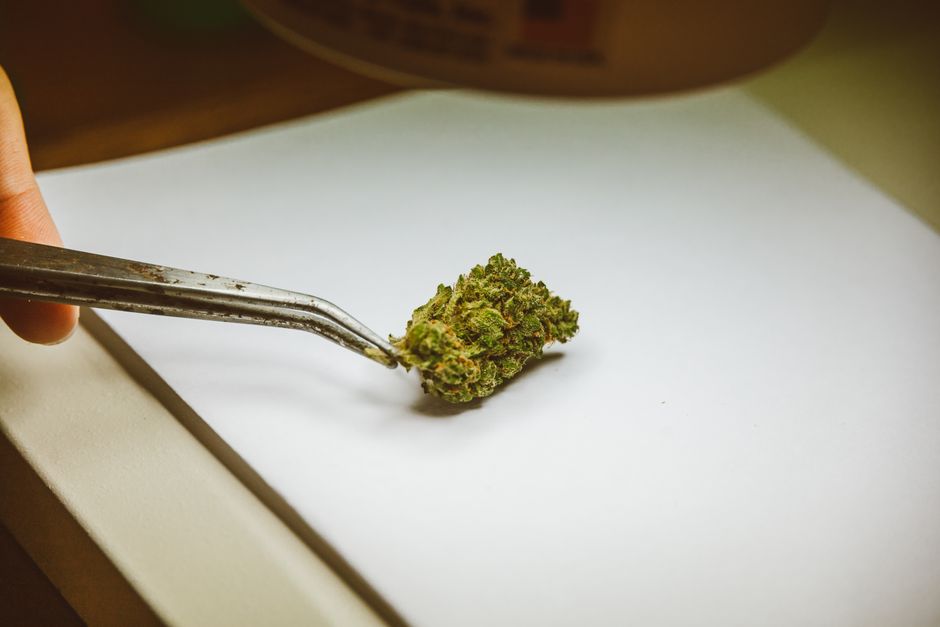
If you have looked into cannabis, you have likely seen the terms indica and sativa. They are used to describe two main types of cannabis plants. For decades, the simple rule has been that indicas relax you and sativas energize you. The reality is more complex. While these categories are useful for describing plant structure and growth, the effects you feel come from a mix of chemical compounds, not just the plant’s label.
What Is Indica And Sativa? The Basics
Indica and sativa are two botanical classifications for the cannabis plant. Indica plants are typically short and bushy with wide leaves. Sativa plants are usually tall and thin with narrow leaves. There is also a third category, ruderalis, which is less common and mostly used for breeding. These terms originally described where the plants grew and how they looked, not necessarily how they make you feel.
The traditional thinking was simple. Indica was for nighttime and relaxation. Sativa was for daytime and energy. Many people still use these terms this way. However, modern research shows that the effects of a specific strain depend more on its chemical profile than on whether it is labeled indica or sativa.
Where Did The Indica And Sativa Labels Come From?
The names come from botany, not pharmacology. Cannabis indica was first described in the 18th century by a French naturalist who studied plants from India. Cannabis sativa was the name given to the common hemp plant in Europe. These were geographic and structural descriptions.
Indica plants originally grew in rugged climates like the Hindu Kush mountains. Their short, dense structure helped them survive harsh weather and shorter growing seasons. Sativa plants originally came from warmer, equatorial regions. Their tall, open structure allowed them to take advantage of long growing periods. These differences in appearance and growth are real and well documented. The problem is that applying these labels to predict effects is not scientifically solid.
Why The Effects Are Not That Simple
The primary psychoactive compound in cannabis is delta-9-tetrahydrocannabinol, or THC. THC is what causes the “high.” Another important compound is cannabidiol, or CBD, which does not cause a high and may have calming effects. These two compounds, along with dozens of others called terpenes, work together to shape the experience.
Terpenes are aromatic oils found in many plants, not just cannabis. They give cannabis its smell and taste. Some terpenes, like myrcene, are associated with sedative effects. Others, like limonene, are associated with mood elevation. The combination of THC, CBD, and terpenes in a specific plant is called its chemical profile or chemotype.
Here is the key point: a plant labeled sativa can have a chemical profile that produces relaxing effects. A plant labeled indica can have a profile that produces energizing effects. One study that analyzed hundreds of cannabis samples found that the chemical profiles of plants labeled indica and sativa overlapped so much that the labels were not reliable predictors of chemical composition. The genetic differences between indica and sativa were real, but the chemical content did not consistently match the expected effects.




What Actually Determines How Cannabis Makes You Feel
Several factors matter more than the indica or sativa label. The most important is the ratio of THC to CBD. High THC with very low CBD is associated with stronger psychoactive effects. Balanced ratios of THC and CBD may produce a different, often less intense, experience.
Terpenes also play a role. The “entourage effect” is the theory that cannabinoids and terpenes work together to produce effects that are different from any single compound alone. This theory has some scientific support, but it is not fully proven. Research is ongoing. What is clear is that the chemical profile of a specific plant matters far more than its botanical category.
Your own biology matters too. Your metabolism, body weight, and tolerance all influence how cannabis affects you. Your mood and environment at the time of use also play a role. The same strain can feel different to different people, and even different to the same person on different days.
How To Choose A Strain Based On Evidence
If the indica and sativa labels are unreliable, what should you look for? The most practical approach is to look at the chemical profile. When you visit a dispensary, ask for the lab test results. These results list the percentages of THC, CBD, and major terpenes. This information is far more useful than the strain name or category.
Here is a simple way to think about it. If you want to avoid strong psychoactive effects, look for a product with higher CBD and lower THC. If you are looking for a specific effect like relaxation or focus, look at the terpene profile. Myrcene is often found in relaxing strains. Limonene is often found in uplifting strains. These are general associations, not guarantees, but they are based on the actual chemistry of the plant.
It is also worth noting that the legal cannabis market has changed how these labels are used. Many commercial strains are hybrids, meaning they are crosses of indica and sativa plants. A strain labeled 60% indica and 40% sativa is a hybrid. Some dispensaries use these ratios to guide customers, but the ratio refers to the plant genetics, not the chemical effects. A hybrid with mostly indica genetics can still have an energizing chemical profile.
Are There Other Ways To Categorize Cannabis?
Some researchers and industry professionals are moving away from indica and sativa entirely. They argue that the terms should be replaced with a focus on chemical composition. This approach is sometimes called “chemovars” instead of strains. A chemovar is a plant variety defined by its chemical profile, not its appearance or origin.
This shift is happening because the indica and sativa system is not accurate enough for medical use. A patient seeking relief from anxiety needs to know the chemical content of a product, not whether the plant is tall or short. Some states and countries are beginning to require more detailed labeling. However, the indica and sativa terms are still widely used in retail settings, so you will likely continue to see them.
The bottom line is that these labels are a starting point, not a guarantee. Use them as a rough guide if you find them helpful, but rely on lab data and your own experience to make informed choices.
What The Research Actually Shows
Research on cannabis is growing, but it still faces significant limitations. Much of the research has been done on animals or in laboratory settings. Large human trials are less common because of legal and regulatory barriers. This means that some claims about specific strains and effects are based on anecdotal reports rather than rigorous studies.
Some studies have found that certain terpenes have effects on the body. For example, myrcene has been studied for its sedative properties, and limonene has been studied for its potential mood-elevating effects. However, these studies often use isolated compounds at high doses, which may not reflect what happens when you consume a whole plant. The evidence for the entourage effect is promising but not conclusive.
What the research does show clearly is that THC and CBD have measurable effects on the brain and body. THC binds to cannabinoid receptors in the brain, which affects mood, memory, and appetite. CBD does not bind to these receptors the same way and may actually block some of THC’s effects. These mechanisms are well established. The exact way that terpenes and minor cannabinoids modify these effects is still being studied.
Practical Advice For First-Time Users
If you are new to cannabis, the indica and sativa labels can be confusing. The best advice is to start with a product that has a balanced or low THC content. This reduces the risk of feeling anxious or overwhelmed. You can always increase the dose later, but you cannot easily decrease it once you have consumed it.
Pay attention to how a specific product makes you feel. Keep a simple note of the strain name, the THC and CBD percentages, and your reaction. Over time, you will build your own knowledge base that is more reliable than any label. This is the most evidence-based approach available to the average consumer.
Be cautious with edibles. They take longer to take effect, sometimes up to an hour or more, and the effects can be much stronger than smoking or vaping. Because of the delayed onset, some people consume too much and have a negative experience. Start low and go slow is a standard piece of harm-reduction advice for a reason.
Frequently Asked Questions
Is indica or sativa better for sleep?
Indica is traditionally associated with sleep and relaxation. However, the actual effect depends on the chemical profile, particularly the THC and terpene content, rather than the label alone.
Can sativa cause anxiety?
Yes, sativa strains are often associated with increased anxiety, especially in people sensitive to THC. Higher THC levels are more likely to produce anxious feelings than products with more balanced THC and CBD ratios.
Are all strains either indica or sativa?
No, many strains are hybrids, which are crosses between indica and sativa plants. The hybrid designation refers to genetics, not the chemical effects of the final product.
Does the indica or sativa label matter for medical use?
For medical use, the chemical profile matters more than the label. Patients should look at THC and CBD percentages, and terpene content, to choose a product that matches their specific symptoms.
