
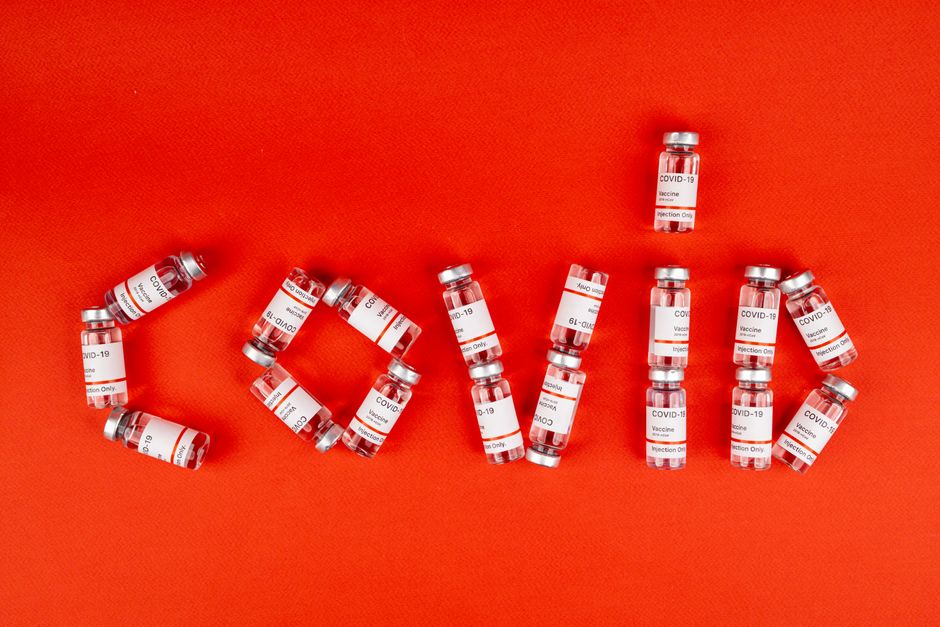
The COVID-19 vaccines used in the United States contain a short list of ingredients. Most are familiar substances like salts, sugars, and fats. The active ingredient in the mRNA vaccines is a piece of genetic code called messenger RNA, or mRNA. This mRNA instructs your cells to build a harmless piece of the spike protein, which triggers your immune system to respond. The Johnson & Johnson vaccine uses a different technology, relying on a modified adenovirus to deliver the same instructions.
None of the vaccines contain live virus, preservatives, or eggs. The ingredients vary slightly by manufacturer, but the core purpose is the same: teach your immune system to recognize the virus without making you sick.
What Are the Exact Ingredients in the Pfizer and Moderna Vaccines?
The Pfizer-BioNTech and Moderna vaccines are both mRNA vaccines. Their ingredient lists are similar but not identical.
Both contain the mRNA molecule itself. This is the active ingredient that carries the instructions for building the spike protein. Both also contain lipid nanoparticles, which are tiny fat bubbles that protect the mRNA and help it enter your cells. These lipids are essential. Without them, the mRNA would be destroyed by enzymes in your body before it could do its job.
Both vaccines contain salts to maintain the proper pH balance. Pfizer uses potassium chloride, monobasic potassium phosphate, sodium chloride, and dibasic sodium phosphate dihydrate. Moderna uses tromethamine and tromethamine hydrochloride instead of some of those salts. Both contain sugar, specifically sucrose, which acts as a cryoprotectant. The sugar prevents the vaccine from degrading during freezing and thawing.
The Pfizer vaccine also includes polyethylene glycol, or PEG. Moderna includes PEG as well, along with a few additional lipids. PEG is a common ingredient in many medications, including laxatives and injectable drugs. It is included because it helps stabilize the lipid nanoparticles.
Neither vaccine contains preservatives. They are single-dose or multi-dose vials that do not require thimerosal or any other preservative to prevent bacterial growth.
What Is in the Johnson & Johnson Vaccine?
The Johnson & Johnson vaccine, also called the Janssen vaccine, is a viral vector vaccine. It uses a different delivery system than the mRNA vaccines.
The active ingredient is a modified adenovirus. Adenoviruses are common viruses that cause colds. The version used in this vaccine is weakened and engineered so it cannot replicate or cause illness. It carries the DNA code for the spike protein into your cells.
The other ingredients include salts, sugars, and stabilizers. Specifically, it contains sodium chloride, citric acid monohydrate, ethanol, and polysorbate 80. It also contains a small amount of 2-hydroxypropyl-beta-cyclodextrin, which is a sugar derivative used as a stabilizer.
Like the mRNA vaccines, the Johnson & Johnson vaccine contains no preservatives, no eggs, and no live virus.
The Johnson & Johnson vaccine is no longer widely used in the United States. The CDC and FDA have recommended that mRNA vaccines be preferred due to a rare but serious blood clotting condition associated with the viral vector vaccine.
What Ingredients Are Not in the COVID-19 Vaccines?
A lot of misinformation has circulated about what is in these vaccines. The ingredient lists are public and have been reviewed extensively. Here is what they do not contain.
The vaccines do not contain live SARS-CoV-2 virus. You cannot get COVID-19 from any of the vaccines. The mRNA and the adenovirus vector do not cause infection.
The vaccines do not contain microchips, tracking devices, or any kind of implant. This claim has been repeatedly debunked. The vaccines contain only the substances listed on the package inserts.
The vaccines do not contain fetal cells. This is a common point of confusion. The Johnson & Johnson vaccine was developed and tested using cell lines that originated from fetal tissue decades ago. The original cells came from an elective abortion in 1985, but the final vaccine does not contain any fetal cells or fetal DNA. The Pfizer and Moderna vaccines also used similar cell lines during testing but do not contain any fetal material.
The vaccines do not contain mercury, thimerosal, or any other heavy metals. They do not contain aluminum, which is used as an adjuvant in some other vaccines. They do not contain antibiotics, gelatin, or latex.





Why Are Lipid Nanoparticles Important?
Lipid nanoparticles are the delivery system for the mRNA vaccines. They are often described as tiny fat bubbles, but they are more complex than that.
The mRNA inside the vaccine is fragile. If you injected naked mRNA into your arm, enzymes in your body would break it down within minutes. The lipid nanoparticle protects the mRNA from degradation and helps it cross the cell membrane.
The lipids are composed of four main types: ionizable lipids, helper lipids, cholesterol, and PEG-lipids. The ionizable lipid is the key component. It is positively charged at low pH, which allows it to bind to the negatively charged mRNA. At the neutral pH of your body, it becomes neutral, which helps the nanoparticle avoid being destroyed by your immune system.
Once the nanoparticle enters a cell, the lipid envelope breaks apart and releases the mRNA. The cell then uses the mRNA to build the spike protein, which triggers an immune response.
Lipid nanoparticles are not new technology. They have been studied for decades and are used in some approved drugs for other conditions. The COVID-19 vaccines were the first time they were used on a mass scale in vaccines.
Are the Ingredients Safe?
The ingredients in the COVID-19 vaccines have been studied in clinical trials involving tens of thousands of people. The vaccines have also been administered to hundreds of millions of people worldwide since their release. This real-world data provides strong evidence of safety.
Most side effects are mild and short-lived. Pain at the injection site, fatigue, headache, and muscle aches are the most common. These are signs that your immune system is responding to the vaccine. They are not signs that the vaccine is harmful.
Serious side effects are rare. Anaphylaxis, a severe allergic reaction, occurs in about 2 to 5 people per million doses of the mRNA vaccines. This is why you are asked to wait 15 minutes after receiving the vaccine. The rare blood clotting condition associated with the Johnson & Johnson vaccine occurs in about 3 to 4 people per million doses in women under 50.
The long-term effects of mRNA vaccines are still being studied. However, mRNA does not enter the nucleus of your cells, so it cannot alter your DNA. The mRNA is broken down and eliminated from your body within days after injection.
How Are the Vaccines Made?
Understanding the manufacturing process helps clarify what is actually in the final product.
For the mRNA vaccines, the process starts with a piece of DNA that serves as a template. This DNA is used to create the mRNA in a laboratory. The mRNA is then purified to remove any impurities. Next, the mRNA is mixed with the lipid nanoparticles. The mixture is formulated into the final vaccine and filled into vials.
The manufacturing process is highly controlled. Each batch is tested for purity, potency, and sterility before it is released. The FDA reviews the results of these tests before any batch is distributed.
The Johnson & Johnson vaccine is made using living cells that are grown in large bioreactors. These cells are infected with the modified adenovirus, which replicates and produces more copies of the virus. The virus is then harvested, purified, and formulated into the final vaccine.
All three vaccines are manufactured without the use of eggs. This is different from some other vaccines, like the flu vaccine, which is often grown in eggs.
Do the Vaccines Contain Graphene Oxide or Other False Claims?
Claims that the vaccines contain graphene oxide, metals, or other exotic materials have circulated widely online. These claims are false.
Graphene oxide is not an ingredient in any authorized COVID-19 vaccine. This claim appears to have originated from a misunderstanding of a scientific study that had nothing to do with vaccines.
Similarly, claims that the vaccines contain aluminum, mercury, or other heavy metals are not supported by the ingredient lists. The package inserts for all three vaccines list every ingredient. None of them contain these substances.
The best way to verify what is in a vaccine is to read the package insert or the FDA fact sheet. These documents are publicly available and list every ingredient by name.
Frequently Asked Questions
Do COVID-19 vaccines contain live virus?
No. None of the authorized COVID-19 vaccines contain live SARS-CoV-2 virus. You cannot get COVID-19 from any of the vaccines.
Do COVID-19 vaccines contain fetal cells?
No. The final vaccines do not contain fetal cells or fetal DNA. Some vaccines were tested using cell lines that originated from fetal tissue decades ago, but no fetal material is in the final product.
Do COVID-19 vaccines change your DNA?
No. The mRNA from the Pfizer and Moderna vaccines does not enter the nucleus of your cells, where your DNA is stored. The Johnson & Johnson vaccine delivers DNA to the cell but not to the nucleus, and it does not integrate into your genome.
Are there preservatives in COVID-19 vaccines?
No. The COVID-19 vaccines do not contain thimerosal or any other preservatives. They are formulated without preservatives because they are not needed.
