
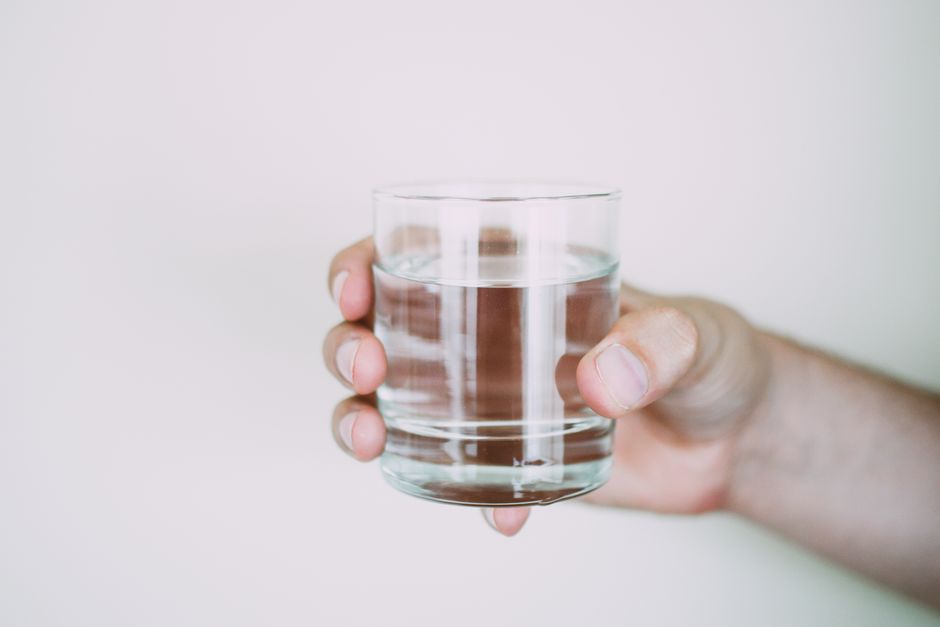
Human poop is roughly 75% water. The other 25% is a mix of undigested food, dead cells, bacteria, and small amounts of fats, proteins, and salts. Bacteria make up a large share of that solid material — often around half of the dry weight. That surprises most people, but it is normal. Your gut holds trillions of bacteria, and they are a working part of digestion, not a sign that something is wrong.
What Is In Human Poop Water Bacteria And More?
Stool is mostly water, and the rest is a crowded mix of living and dead material. The main components include:
- Water — about three-quarters of the total weight
- Bacteria — living and dead, a large part of the solid portion
- Undigested food — especially fiber, which your body cannot fully break down
- Dead cells — shed from the lining of your gut
- Fats, proteins, and salts — present in small amounts
- Bile pigments — these give stool its brown color
The brown color comes from bile, a fluid your liver makes to help digest fat. As bile moves through your gut, bacteria change it into pigments called stercobilin. That is what you see in the toilet.
Fiber is worth a closer look. Your body cannot digest most fiber, so it passes through largely intact. Along the way, gut bacteria ferment some of it. That process produces gases and other compounds. It is one reason a high-fiber diet can change both stool bulk and gas.
How Much Bacteria Lives in Human Poop?
The human gut is home to trillions of bacteria. Estimates vary, and the exact number is debated among researchers, but the scale is enormous. When you look at stool, a large fraction of the solid material is bacterial — living, dead, and fragments.
This is not a problem. These bacteria help break down food your body cannot digest on its own. They also produce some vitamins, including certain B vitamins and vitamin K. They interact with your immune system in ways researchers are still working to understand.
The mix of bacteria differs from person to person. Diet, age, medications, and health all shift the balance. Because of this, there is no single “normal” stool bacteria profile. Two healthy people can have quite different bacterial communities.
What Types of Bacteria Are Found in Stool?
Most gut bacteria fall into a few large groups. The most common belong to groups often called Firmicutes and Bacteroidetes. Others, like Actinobacteria and Proteobacteria, are usually present in smaller amounts.
Within these groups are hundreds of species. Some are helpful. Some are neutral. A few can cause illness if they end up where they do not belong, such as outside the gut.
One important point: finding a bacterium in stool does not mean it is harmful. Many bacteria that are harmless in the gut can cause problems if they get into the bloodstream, a wound, or the urinary tract. Location matters. The same organism can be a normal resident in one place and a problem in another.
This is why stool tests need careful interpretation. A lab result showing a certain bacterium is not automatically a diagnosis. It has to be read alongside symptoms and the rest of the picture.




Can You Get Sick From Human Poop?
Yes. Human stool can carry germs that cause disease. This is well established in medicine and public health.
Stool can contain bacteria such as Salmonella, Shigella, E. coli strains that cause illness, and Campylobacter. It can also carry viruses like norovirus and hepatitis A, and parasites such as Giardia and Cryptosporidium. These can spread through what is often called the fecal-oral route — germs from stool reaching the mouth.
That route can be direct or indirect. It happens through contaminated water, food handled with unwashed hands, or surfaces that carry tiny amounts of stool you cannot see.
The main protection is simple and proven: wash your hands with soap and water after using the toilet, after changing diapers, and before preparing food. Handwashing is one of the most effective ways to stop these infections from spreading.
Is There Really Water in Human Poop?
Yes, and water is the largest single component. Your colon absorbs much of the water from the material passing through it, which is why stool forms as it moves along. When that absorption slows or speeds up, stool consistency changes.
Too little water absorbed leads to loose stool or diarrhea. Too much absorbed and stool moves too slowly leads to hard, dry stool and constipation. This is the basic mechanism behind why hydration, diet, and gut transit time affect what you see in the toilet.
Water content is also why stool can carry germs so easily. The moisture helps bacteria and viruses survive and spread when stool contaminates water or food.
Does Poop Have a Normal Smell and Color?
Stool smell comes mostly from bacterial activity in the gut. As bacteria ferment material, they produce compounds that contain sulfur and other elements. Those compounds are what you smell. Diet shifts the smell — for example, foods high in sulfur can make it stronger.
Color is a useful signal. Normal stool is brown because of bile pigments. Certain changes can point to a problem:
- Black, tarry stool can mean bleeding higher up in the digestive tract, though iron supplements and some medicines can also cause dark stool
- Bright red blood often points to bleeding closer to the exit, such as from hemorrhoids, but it can have other causes
- Pale or clay-colored stool can suggest a bile flow problem
- Green stool is often linked to fast transit or to eating certain foods
These are general patterns, not diagnoses. Color changes have many possible causes. If you notice a lasting or unexplained change, that is a reason to talk to a doctor rather than guess.
What Does a Stool Test Actually Look For?
Doctors order stool tests for several reasons. The test chosen depends on the symptoms and the question being asked.
Common things a stool test may look for include:
- Hidden blood — blood you cannot see, which can be a sign of bleeding in the gut
- Infections — bacteria, viruses, or parasites that cause diarrhea or illness
- Signs of inflammation — markers that suggest conditions like inflammatory bowel disease
- Digestion problems — such as fat that is not being absorbed properly
A stool test is one piece of information. It is read together with your symptoms, history, and sometimes other tests. A single result rarely tells the whole story on its own.
Can Stool Bacteria Be Used as Medicine?
This is an active area of research, and the honest answer is that it depends on the condition. One established use is fecal microbiota transplant, often shortened to FMT. In FMT, stool from a screened donor is transferred into a patient’s gut.
FMT has strong evidence for treating repeat Clostridioides difficile infection, a serious gut infection that often returns after antibiotics. For this specific problem, it is an accepted treatment. For most other conditions, the evidence is much weaker or still being studied.
Researchers are looking at the gut bacteria’s role in many areas — metabolism, immune function, and more. But interest is not the same as proof. Many claims about “fixing” the microbiome with supplements or products are not supported by strong human trials. No clinical evidence currently confirms that most marketed microbiome products deliver the results they suggest.
If you see a product claiming to reset your gut bacteria or cure a condition, treat that claim with caution. Real microbiome medicine exists, but it is narrower than the marketing suggests.
What Is the Bottom Line on Human Poop?
Human poop is mostly water, with bacteria making up much of the solid portion. It also contains undigested food, dead cells, and small amounts of fats, proteins, and salts. This mix is normal, and the bacteria in it are part of how your body works.
At the same time, stool can carry germs that cause disease, which is why handwashing and safe food and water practices matter. Color and consistency can offer clues about your health, but they are not diagnoses. When something changes and stays changed, a doctor can help sort out what it means.
Frequently Asked Questions
Is it normal to have bacteria in your poop?
Yes. Bacteria are a normal and major part of stool, and they play a role in digestion and health. Their presence is not a sign of illness by itself.
What percentage of human poop is water?
Stool is roughly 75% water. The remaining solid portion is a mix of bacteria, undigested food, dead cells, and small amounts of fats, proteins, and salts.
Can you get sick from touching human poop?
Yes. Human stool can carry bacteria, viruses, and parasites that cause illness, and these can spread if germs reach your mouth. Washing your hands with soap and water after contact greatly lowers this risk.
What does black or red poop mean?
Black or red stool can be a sign of bleeding in the digestive tract, though foods, supplements, and medicines can also cause color changes. A lasting or unexplained change is a reason to see a doctor.
