
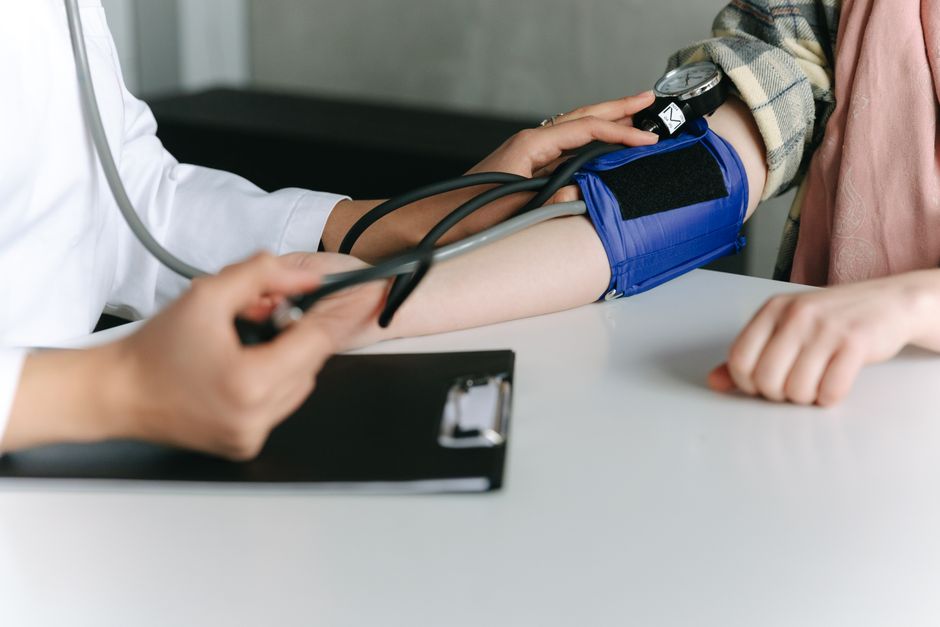
Hypertension is the medical term for high blood pressure. When your heart beats, it pushes blood through your arteries, and that force against the artery walls is your blood pressure. A diagnosis of hypertension means that force is consistently too high, which over time can damage your blood vessels, heart, brain, and kidneys. Blood pressure is measured in millimeters of mercury (mm Hg) and recorded as two numbers: systolic pressure over diastolic pressure, such as 120/80 mm Hg.
What Do the Two Blood Pressure Numbers Mean?
The top number is your systolic blood pressure. It measures the pressure in your arteries when your heart muscle contracts and pumps blood out. The bottom number is your diastolic blood pressure. It measures the pressure in your arteries when your heart relaxes and fills with blood between beats.
Both numbers matter, but they tell different parts of the story. Systolic pressure is the peak force your arteries experience with each heartbeat. Diastolic pressure is the resting pressure that keeps blood flowing continuously through your vessels while the heart refills. A normal resting blood pressure for most adults is less than 120/80 mm Hg.
Your blood pressure naturally rises and falls throughout the day. Physical activity, stress, caffeine, and even the time of day can temporarily push your numbers higher. A single high reading does not mean you have hypertension. A diagnosis typically requires multiple elevated readings taken on separate occasions, usually in a healthcare setting or with a validated home monitor.
What Is Hypertension Blood Pressure Numbers Explained by Category?
Medical guidelines categorize blood pressure readings to help clinicians determine who needs treatment and who needs monitoring. These categories are based on well-established thresholds used by major medical organizations in the United States.
- Normal: Less than 120/80 mm Hg
- Elevated: Systolic 120–129 mm Hg and diastolic less than 80 mm Hg
- Stage 1 Hypertension: Systolic 130–139 mm Hg or diastolic 80–89 mm Hg
- Stage 2 Hypertension: Systolic 140 mm Hg or higher or diastolic 90 mm Hg or higher
- Hypertensive Crisis: Systolic higher than 180 mm Hg and/or diastolic higher than 120 mm Hg, requiring immediate medical attention
These thresholds come from the American College of Cardiology and the American Heart Association guidelines published in 2017. The “elevated” category is not hypertension, but it signals that your blood pressure is trending upward and lifestyle changes may help prevent progression.
Stage 1 hypertension means your numbers are consistently in the 130s/80s range. Whether medication is prescribed at this stage depends on your overall cardiovascular risk. People with stage 1 hypertension who also have heart disease, kidney disease, diabetes, or a high calculated risk of heart attack or stroke are usually offered medication. Those without additional risk factors often start with lifestyle changes.
Why Is High Blood Pressure Dangerous?
High blood pressure is often called a “silent killer” because it usually produces no symptoms, even when it is dangerously high. You can have hypertension for years without knowing it. During that time, the constant force of blood against your artery walls causes microscopic damage that accumulates slowly.
That damage makes artery walls thicker, stiffer, and less elastic — a process called arteriosclerosis. Stiff arteries force your heart to work harder to pump blood. Over time, this increased workload can enlarge and weaken the heart muscle, increasing the risk of heart failure. High pressure also makes it easier for cholesterol and other substances to form plaque inside damaged arteries, a condition called atherosclerosis. These plaques can narrow arteries or rupture, causing heart attacks or strokes.
The damage is not limited to the heart and brain. Hypertension is a leading cause of kidney damage because the kidneys filter blood through millions of tiny blood vessels that are highly sensitive to pressure. It can also damage the blood vessels in your eyes, leading to vision loss. The relationship between blood pressure and these complications is continuous — the higher your blood pressure, the greater your risk.


What Causes Hypertension?
In most adults with hypertension, no single cause can be identified. This is called primary or essential hypertension. It develops gradually over many years, and several contributing factors are involved, including genetics, age, and lifestyle. Risk increases as you get older because blood vessels naturally lose some elasticity over time.
Several lifestyle factors are strongly linked to higher blood pressure. A diet high in sodium is one of the most well-established contributors. Excess sodium causes your body to retain fluid, which increases the volume of blood in your arteries and raises pressure. Low potassium intake also matters because potassium helps your kidneys excrete sodium. Being overweight or obese increases the workload on your heart. Physical inactivity, excessive alcohol consumption, and chronic stress all contribute as well.
A smaller percentage of people have secondary hypertension, meaning high blood pressure caused by an underlying medical condition. Kidney disease, thyroid disorders, sleep apnea, and certain hormonal conditions can cause hypertension. Some medications can also raise blood pressure, including NSAID pain relievers, decongestants, oral contraceptives, and some antidepressants. Secondary hypertension typically appears suddenly and causes higher blood pressure than primary hypertension. Treating the underlying cause often resolves the elevated pressure.
How Is Hypertension Diagnosed?
Diagnosis begins with an accurate blood pressure measurement. Your healthcare provider will take at least two readings on two separate occasions before making a diagnosis. The measurement technique matters. Your arm should be supported at heart level, your feet flat on the floor, and your back supported. You should not have consumed caffeine or exercised within 30 minutes before the reading, and your bladder should be empty.
Some people experience elevated readings only in a medical setting, a phenomenon called white coat hypertension. Others have normal readings in the clinic but elevated readings at home, known as masked hypertension. For this reason, your doctor may recommend home blood pressure monitoring or 24-hour ambulatory monitoring to get a more accurate picture of your typical daily blood pressure.
Once diagnosed, your doctor will assess your overall cardiovascular risk. This typically involves blood tests to check kidney function, cholesterol levels, and blood sugar. An electrocardiogram may be ordered to check for heart damage. Your doctor will also ask about your family history, diet, physical activity, and whether you smoke. This information helps determine how aggressively your blood pressure should be treated.
How Is Hypertension Treated?
Treatment for hypertension has two main components: lifestyle changes and medication. For people with elevated blood pressure or stage 1 hypertension without high cardiovascular risk, lifestyle changes are the first step. These changes can lower blood pressure substantially and are recommended for everyone with hypertension, regardless of whether they take medication.
The most effective lifestyle changes are well-supported by clinical evidence. Reducing dietary sodium to less than 2,300 milligrams per day, and ideally around 1,500 milligrams, can lower systolic pressure by several points. The DASH diet, which emphasizes fruits, vegetables, whole grains, and low-fat dairy while limiting saturated fat and cholesterol, has been shown in controlled studies to lower blood pressure significantly. Regular aerobic exercise — about 150 minutes per week of moderate activity — also produces meaningful reductions. Losing weight if you are overweight, limiting alcohol to no more than one drink per day for women and two for men, and quitting smoking all contribute to better blood pressure control.
When medication is needed, several classes of drugs are available. Common first-line options include thiazide diuretics, ACE inhibitors, angiotensin receptor blockers (ARBs), and calcium channel blockers. Each works through a different mechanism. Diuretics help your kidneys remove excess sodium and fluid. ACE inhibitors and ARBs relax blood vessels by blocking the effects of a hormone that narrows them. Calcium channel blockers relax blood vessel walls by preventing calcium from entering muscle cells in the arteries.
Most people with hypertension will need more than one medication to reach their target blood pressure. Many combination pills are available that contain two medications in a single tablet, which improves convenience and adherence. The goal of treatment is generally to keep blood pressure below 130/80 mm Hg, though your doctor may adjust this target based on your age, other health conditions, and how well you tolerate medication.
Can Hypertension Be Reversed?
For some people, lifestyle changes can lower blood pressure enough to stop taking medication. This is more likely in people whose hypertension is mild and who make substantial, sustained changes to their diet, weight, and activity level. However, hypertension is generally considered a chronic condition that requires lifelong management.
If your blood pressure normalizes with lifestyle changes, your doctor may reduce or discontinue your medication under close supervision. You should never stop taking blood pressure medication on your own. Stopping suddenly can cause a dangerous spike in blood pressure. Even when medication is no longer needed, continued lifestyle changes are essential to keep blood pressure in a healthy range.
For most people, hypertension is managed rather than cured. Consistent monitoring, adherence to treatment, and healthy habits keep blood pressure under control and reduce the risk of heart attack, stroke, and kidney damage. People who maintain good control can live long, healthy lives with minimal additional risk compared to those with normal blood pressure.
Frequently Asked Questions
What is a dangerous blood pressure level?
A reading of 180/120 mm Hg or higher is a hypertensive crisis and requires immediate medical attention, especially if accompanied by chest pain, shortness of breath, vision changes, or neurological symptoms. Any reading this high should be rechecked after five minutes of rest, and if it remains elevated, seek emergency care.
Can stress cause high blood pressure?
Stress causes temporary spikes in blood pressure, but it is not clearly established as a direct cause of chronic hypertension. However, stress can lead to behaviors that raise blood pressure, such as overeating, drinking alcohol, and skipping exercise.
How often should I check my blood pressure at home?
For people with hypertension, checking once or twice daily at consistent times is reasonable, though your doctor may give you a specific schedule. Take readings in the morning before medication and in the evening, and bring your log to medical appointments.
Is 130/80 mm Hg considered high blood pressure?
Yes, according to current guidelines, 130/80 mm Hg meets the definition of stage 1 hypertension. Whether medication is recommended at this level depends on your overall cardiovascular risk and other health conditions, but lifestyle changes are generally advised.
