
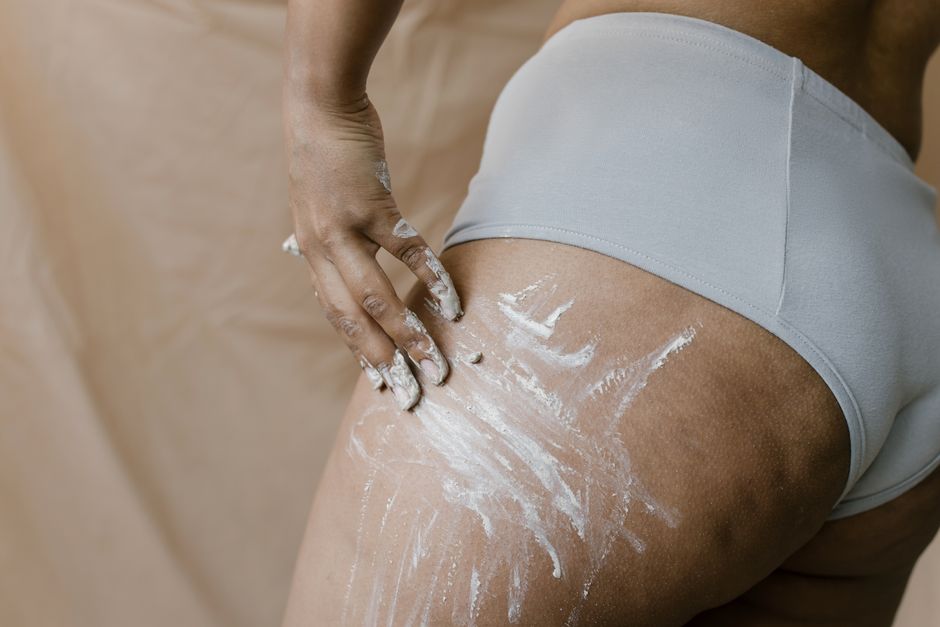
Hydrocortisone cream is an over-the-counter topical steroid used to relieve itching, redness, and swelling from mild skin irritations. It works by reducing inflammation in the skin, which calms the immune response that causes these symptoms. You can find it in most drugstores in strengths up to 1 percent, and it is safe for short-term use on minor conditions like insect bites, poison ivy, and mild eczema.
How Does Hydrocortisone Cream Work?
Hydrocortisone is a corticosteroid. When applied to the skin, it enters the cells and blocks the production of chemicals that cause inflammation. These chemicals, called prostaglandins and leukotrienes, are part of the body’s immune response. When they are suppressed, blood vessels in the area constrict, which reduces redness and swelling.
The cream does not kill bacteria, viruses, or fungi. It only calms the skin’s reaction to them or to allergens. This is why it works well for itch from bug bites but does nothing for the infection itself. The effect is local, meaning it only works where you apply it, and it does not enter the bloodstream in significant amounts when used correctly on small areas.
Most people feel relief from itching within a few hours. Visible improvement in redness and swelling usually appears within one to two days of consistent use.
What Is Hydrocortisone Cream Used For?
Hydrocortisone cream treats a specific list of minor skin problems. These are conditions where inflammation is the main driver of symptoms. The most common uses include:
- Insect bites and stings — reduces the itch and bump from mosquito bites, bee stings, and chigger bites.
- Poison ivy, poison oak, and poison sumac — calms the blistering rash caused by urushiol oil from these plants.
- Eczema and dermatitis — manages flare-ups of atopic dermatitis and contact dermatitis, where the skin becomes red, scaly, and intensely itchy.
- Allergic reactions — reduces itching from mild skin allergies to soaps, detergents, or jewelry metals like nickel.
- Psoriasis — softens and reduces scaling on small patches, though this condition often needs prescription treatment.
- Diaper rash — only in mild cases and only for a few days, as the skin of infants absorbs more medication than adult skin.
Hydrocortisone does not treat conditions caused by fungal or bacterial overgrowth. Athlete’s foot, ringworm, and impetigo need antifungal or antibiotic medications. Using hydrocortisone on these can actually make them worse because the steroid suppresses the immune response that is fighting the infection.
When Should You Not Use Hydrocortisone Cream?
There are clear situations where hydrocortisone cream is the wrong choice. Do not use it on broken skin, deep cuts, or open wounds. The steroid can delay healing and increase the risk of infection in these areas.
Do not use it on the face for more than a few days without a doctor’s advice. Facial skin is thin and absorbs more medication, which raises the risk of thinning skin, dilated blood vessels, and a condition called perioral dermatitis — a red rash around the mouth that can be worse than the original problem.
Avoid using it on the genitals or around the eyes unless a doctor specifically directs you to. These areas are highly sensitive to steroid absorption. Also avoid it if you have a known fungal or bacterial skin infection, or if you are unsure what the rash is. If the rash is spreading, weeping fluid, or accompanied by fever, see a doctor before applying any steroid.
Pregnant and breastfeeding women should use hydrocortisone cream only when clearly needed and for short durations. No large studies confirm significant risk, but the conservative approach is to minimize all medication exposure during pregnancy.





How Long Can You Safely Use Hydrocortisone Cream?
For over-the-counter 1 percent hydrocortisone, the general guidance is to use it for no longer than seven days without medical supervision. If symptoms do not improve after one week, the condition may need a different treatment or a stronger prescription medication.
Using hydrocortisone for weeks or months on the same area of skin carries real risks. The skin can become thin and fragile, developing stretch marks that do not go away. Blood vessels can become visible and permanent. The skin can also become dependent on the steroid, meaning it flares up when you stop using it — a condition called topical steroid withdrawal, which causes intense redness and burning.
These risks are dose-dependent and duration-dependent. Short courses of a few days are generally safe. Long-term continuous use is not. If you have a chronic condition like eczema that needs ongoing management, see a dermatologist for a treatment plan rather than self-treating indefinitely.
What Are the Side Effects of Hydrocortisone Cream?
Side effects are uncommon when the cream is used correctly for short periods. The most frequent complaints are mild burning, stinging, or dryness at the application site. These usually resolve as the skin adjusts.
More serious side effects appear with prolonged use or application to large body areas. These include:
- Skin thinning and fragility
- Stretch marks
- Acne or worsening of existing acne
- Increased hair growth in the treated area
- Lightening of skin color where applied
- Delayed wound healing
Systemic side effects are rare with over-the-counter strengths but possible if you use the cream on large areas of the body, under airtight bandages, or on broken skin. These can include elevated blood sugar and suppression of the adrenal glands, though this is far more common with prescription-strength steroids or oral corticosteroids.
If you notice any spreading redness, pus, or fever while using hydrocortisone, stop using it and see a doctor. These signs suggest a bacterial infection that the steroid is masking rather than treating.
What Is the Difference Between Hydrocortisone Cream and Ointment?
Hydrocortisone comes in several forms, and the difference matters for how well it works. Creams are a mixture of medication, water, and oils. They absorb quickly and feel light on the skin, making them good for daytime use on moist or oozing rashes. Ointments are greasier because they contain more oil and less water. They sit on top of the skin longer, which means the medication penetrates more deeply.
Ointments are generally more effective for dry, scaly conditions like eczema because they also trap moisture in the skin. Creams are better for areas that rub against clothing, like the hands or between skin folds, because they do not leave a greasy residue.
The strength is the same in both forms. The vehicle — cream versus ointment — changes how well the medication is absorbed, not the dose. Lotions and gels are also available and are best for hairy areas like the scalp, where creams and ointments are hard to apply cleanly.
Frequently Asked Questions
Can I use hydrocortisone cream on my face?
Only for no more than a few days and only for a clearly identified mild irritation. The skin on the face is thin and absorbs more medication, which increases the risk of thinning skin and permanent blood vessel damage.
Can I use hydrocortisone cream on my dog or cat?
Do not use human hydrocortisone cream on pets without veterinary approval. Animals can ingest the cream by licking it, and some pets have different reactions to steroids that can cause skin damage or systemic effects.
Does hydrocortisone cream help with acne?
No, and it can make acne worse. Hydrocortisone does not treat the bacterial or hormonal causes of acne, and prolonged use can lead to folliculitis, which looks like acne but is an inflammation of hair follicles.
Can I use expired hydrocortisone cream?
It is not recommended. The steroid loses potency over time, and the preservatives in the cream may break down, increasing the risk of skin irritation or contamination. Buy a fresh tube if you need treatment.
