
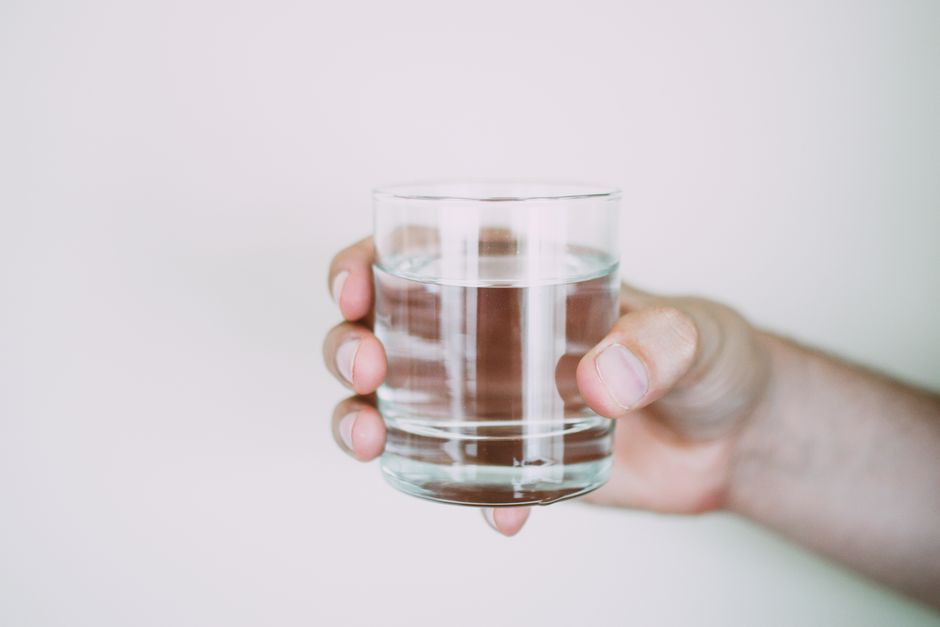
If you have ever been handed a hospital menu the night before surgery or told to “stay on clear liquids” after a stomach bug, you have probably wondered what actually counts. Clear liquids are fluids you can see through at room temperature that turn to liquid in your stomach and leave it quickly. They contain no pulp, no milk, no fat, and no solid bits. That short definition matters because clear liquids are used for specific medical reasons, and getting them right can affect whether a procedure happens on schedule.
What Counts as a Clear Liquid?
The test is simple. If you can hold the liquid up to light and read text through it, it is usually clear. It also has to be free of anything that forms solids or fat in the stomach.
Common clear liquids include:
- Water
- Plain tea and coffee without milk or cream
- Clear fruit juices without pulp, such as apple or white grape
- Clear broth or bouillon
- Gelatin desserts, which melt to liquid
- Ice pops without fruit pieces or dairy
- Clear carbonated drinks and sports drinks
- Clear oral rehydration solutions
Some hospitals also allow strained lemonade or clear hard candy. Rules vary by facility and by the reason for the diet, so always follow the specific instructions you were given.
What Does NOT Count as a Clear Liquid?
Many drinks that look thin and watery are not clear liquids. Anything with milk or cream is out, because milk proteins and fat slow stomach emptying and can leave residue. Orange juice, grapefruit juice, and most smoothies are out because of pulp and fiber. Tomato juice and other vegetable juices are out for the same reason.
Other items that do not qualify:
- Milk, cream, and plant milks like almond or soy
- Yogurt drinks and kefir
- Any juice with pulp
- Smoothies and protein shakes
- Nutritional supplement drinks like Ensure or Boost
- Alcohol
- Soup with noodles, rice, or vegetables in it
Alcohol deserves its own mention. It is a liquid and it is clear, but it is not a clear liquid diet item. It irritates the stomach, affects hydration, and interferes with anesthesia and many medications.
Why Are Clear Liquids Used Before Surgery?
The main reason is aspiration risk. When you go under general anesthesia, your protective airway reflexes stop working. If there is food or liquid in your stomach, it can come back up and enter your lungs. That is a serious and sometimes fatal complication.
Clear liquids empty from the stomach faster than anything else. Most clear liquids pass through in about one to two hours in a healthy adult. Solid food can take much longer. This is why anesthesia guidelines have shifted over the past few decades.
Older advice told patients to fast from midnight onward. Current guidance from the American Society of Anesthesiologists is more specific. It allows clear liquids up to two hours before anesthesia in most healthy patients, and requires a longer fast for breast milk, formula, and solid food. Fasting longer than needed is not helpful and can cause dehydration and discomfort. Follow the exact timing your surgical team gives you, because individual circumstances can change the recommendation.




When Is a Clear Liquid Diet Used for Medical Reasons?
Clear liquids are used when the digestive system needs rest or when solid food would be dangerous or painful. Situations include:
- Preparation for a colonoscopy or certain imaging tests
- Recovery from stomach flu or food poisoning, when vomiting has stopped
- Certain stages of inflammatory bowel disease flares
- After some types of bowel surgery
- Severe nausea or difficulty swallowing
In these cases the goal is to keep you hydrated without asking your gut to do much work. Clear liquids are not meant to be a long-term diet. They do not provide enough calories, protein, fat, vitamins, or fiber for more than a short period. A clear liquid diet is a short-term tool, not a way of eating.
Can You Live on Clear Liquids for Long?
No. A clear liquid diet is not nutritionally complete. It is missing protein, fat, most vitamins, and minerals. If you are on clear liquids for more than a day or two, your medical team should be monitoring your intake and may add specific supplements.
For people who cannot eat normally for weeks or months, clinicians use different approaches. These include tube feeding or intravenous nutrition. Those are medical decisions made by a care team, not something to manage on your own.
One practical point: plain water alone does not replace lost electrolytes. If you are losing fluid through vomiting or diarrhea, an oral rehydration solution is a better choice than water or a sports drink. Oral rehydration solutions are formulated with specific ratios of sodium and glucose that help your body absorb water. Sports drinks are designed for sweat loss during exercise, not for illness, and their electrolyte balance is different.
Clear Liquids vs. Full Liquids: What Is the Difference?
Full liquids are a step up from clear liquids. They include anything you can pour and sip, plus milk, cream soups, yogurt, pudding, and nutritional shakes. Full liquids are opaque and contain fat and protein. They stay in the stomach longer.
Doctors move patients from clear liquids to full liquids to soft foods as healing allows. The order matters. Starting with clear liquids lets the gut prove it can handle something before you add heavier items.
| Feature | Clear Liquids | Full Liquids |
|---|---|---|
| See-through | Yes | No |
| Contains milk or fat | No | Often yes |
| Stomach emptying | Fast | Slower |
| Nutritionally complete | No | Usually no, but closer |
| Typical use | Before procedures, short-term gut rest | Transition back to normal eating |
How Should You Prepare Clear Liquids at Home?
If you have been told to follow a clear liquid diet, keep it simple. Stock a few items you tolerate well. Water, clear broth, apple juice, gelatin, and ice pops cover the basics. Avoid anything red or purple if you are prepping for a colonoscopy, because those dyes can look like blood on the scope and may force a repeat procedure.
Drink small amounts often rather than large amounts at once. Cold liquids are often easier to keep down. If you feel dizzy, weak, or your urine turns dark, that can signal dehydration. Contact your care team.
Do not add anything to your clear liquids without checking. Cream in coffee, a splash of milk in tea, or a protein powder in juice all break the rules and can delay or cancel a procedure.
Frequently Asked Questions
Is coffee a clear liquid?
Plain black coffee is a clear liquid because it is see-through and contains no milk or fat. Adding cream, milk, or sugar substitutes that contain fat makes it no longer clear.
Can I drink orange juice on a clear liquid diet?
No. Orange juice contains pulp and fiber, so it is not a clear liquid. Apple juice and white grape juice without pulp are usually allowed.
How long can you safely stay on clear liquids?
Most healthy adults can stay on clear liquids for a short period, often a day or two, but it is not nutritionally complete. Longer than that should be supervised by a doctor.
Is a clear liquid diet the same as fasting?
No. Fasting usually means no food or drink at all, while a clear liquid diet allows specific fluids. Before surgery, your team will tell you exactly which one applies to you.
