
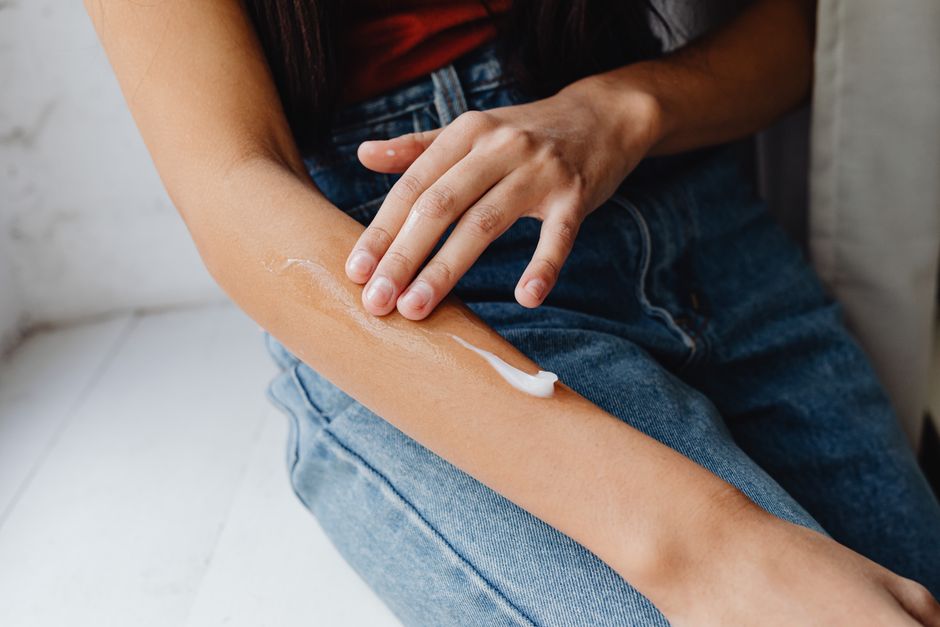
Hydrocortisone cream is a mild steroid cream used to calm itching, redness, and swelling caused by eczema, insect bites, poison ivy, and similar skin irritations. It works by reducing the immune reactions in the skin that drive inflammation. It is not a cure for any skin condition, and it is not the right product for every rash.
What Is Hydrocortisone Cream For?
Hydrocortisone cream treats inflammation in the upper layers of the skin. It belongs to a drug class called corticosteroids, which are different from the anabolic steroids some athletes misuse. The two share a name and almost nothing else.
When skin is irritated, immune cells release signaling chemicals that widen blood vessels and pull fluid into the tissue. That process produces the redness, heat, swelling, and itch you see and feel. Hydrocortisone blunts that response. It tells the immune cells in the skin to calm down, so the visible symptoms fade.
Because it is a topical steroid, it acts mostly where you put it. Only a small amount enters the bloodstream when used on intact skin for short periods.
Common reasons people use it include:
- Eczema and atopic dermatitis flare-ups
- Insect bites and stings
- Poison ivy, poison oak, and poison sumac
- Contact dermatitis from soaps, metals, or plants
- Seborrheic dermatitis, the flaky irritation often seen on the scalp and face
- Mild allergic skin reactions
It is sold over the counter in strengths of 0.5% and 1%. Stronger versions, up to 2.5%, require a prescription. That difference matters. Over-the-counter hydrocortisone is considered low potency, which is one reason it is safe enough for general sale.
What Hydrocortisone Cream Does Not Treat
Hydrocortisone cream does not kill bacteria, fungi, or viruses. This is the single most important limit to understand, because using it on the wrong rash can make things worse.
If a rash is caused by a fungal infection, such as ringworm or athlete’s foot, a steroid can temporarily reduce redness while the fungus keeps spreading. The skin may look calmer for a few days, then rebound worse. The same problem happens with bacterial infections like impetigo.
Signs that a rash is probably not a hydrocortisone problem:
- A ring shape with a clear center and a raised, scaly edge
- Blisters, crusting, or pus
- Warmth, spreading redness, or fever
- A rash that keeps returning in the same spot
Acne is another poor match. Steroids can thin the skin and trigger more breakouts. Rosacea can also flare with steroid use.
If you are not sure what is causing a rash, and it is not improving after a few days of gentle care, that is a reason to see a clinician rather than keep applying cream.
How to Use Hydrocortisone Cream Safely
Less is more with topical steroids. A thin film on the affected area is enough. Rubbing it in vigorously does not improve results.
General guidance that applies to over-the-counter products:
- Clean and dry the skin first
- Apply a thin layer and rub in gently
- Use it no more than directed on the label, and generally not for longer than 7 days without medical advice
- Wash your hands after applying, unless your hands are the treated area
- Do not cover the area with airtight bandages unless a clinician tells you to
Covering the skin traps the medication and increases how much is absorbed. That raises the risk of side effects.
Do not use hydrocortisone on the eyes, inside the mouth, or on open wounds. If cream gets in your eye, rinse with water.
Children absorb topical steroids more readily than adults because their skin surface is larger relative to body weight. Use the lowest effective amount, and check with a pediatrician before using it on an infant. No clinical guidelines support routine hydrocortisone use in infants without medical direction.





What Are the Side Effects of Hydrocortisone Cream?
Short-term use on normal skin rarely causes problems. Most people notice nothing beyond the cream itself.
When side effects do occur, they usually follow longer use, higher strengths, or use on thin-skinned areas like the face, groin, and armpits. Possible effects include:
- Skin thinning
- Stretch marks
- Small visible blood vessels
- Changes in skin color
- Worsening acne or a new rash
These changes are more likely with prescription-strength products and with weeks of continuous use. They are uncommon with occasional use of over-the-counter strength.
Rarely, enough steroid is absorbed through the skin to affect the whole body. This is called systemic absorption. It is most likely when large areas are treated, when the skin is broken, or when the product is used under an occlusive dressing for a long time. Signs can include raised blood sugar and, with prolonged use, suppression of the body’s own cortisol production.
Stop using the cream and talk to a clinician if the skin gets worse, if you develop a new rash, or if symptoms return quickly after you stop.
How Hydrocortisone Compares to Other Steroid Creams
Topical steroids are ranked by potency, from mild to very strong. Hydrocortisone sits at the mild end. That is not a flaw. It is why you can buy it without a prescription.
Higher-potency steroids, such as triamcinolone or clobetasol, are reserved for conditions that mild steroids cannot control. They work faster but carry more risk of skin thinning and absorption. Clinicians typically choose the lowest potency that will do the job, and they often step down as the flare improves.
Hydrocortisone also comes as an ointment, lotion, and gel. Ointments are greasier and hold moisture in better, which suits dry, cracked skin. Lotions spread easily and suit hairy areas. The active drug is the same.
When to See a Doctor Instead
Over-the-counter hydrocortisone is meant for short-term, mild problems. Some situations need a clinician’s eyes.
See a doctor if:
- The rash spreads or gets worse despite treatment
- You have signs of infection, such as pus, warmth, or fever
- The problem lasts more than a week or keeps coming back
- The rash is on the face, genitals, or in skin folds and is not settling
- You are pregnant, breastfeeding, or treating a child and are unsure about use
Pregnancy and breastfeeding deserve a specific note. Small amounts of topical hydrocortisone are generally considered acceptable for short-term use, but check with your clinician first. No established guidelines support routine use on the breast area during breastfeeding without medical advice.
One point that surprises many people: a rash that will not quit is often a sign the diagnosis is wrong, not that you need a stronger cream. Chronic conditions like eczema and psoriasis need a management plan, not just a tube of steroid.
Common Misconceptions About Hydrocortisone Cream
Hydrocortisone has a reputation problem in both directions. Some people fear it far more than the evidence supports. Others treat it as a fix-all for any red patch.
The fear usually centers on skin thinning. That risk is real but tied to potency, duration, and where you apply it. Occasional use of a 1% cream on a bug bite is a very different exposure than months of a strong prescription steroid on the face.
The opposite mistake is using it as a blanket treatment. If a rash is fungal, bacterial, or viral, a steroid does not help and can delay the right treatment.
Another frequent mix-up: hydrocortisone cream is not the same as hydrocortisone pills. The pills are used for very different medical purposes, including adrenal insufficiency and severe allergic reactions. They are not interchangeable, and the pills are not a treatment for skin rashes.
Frequently Asked Questions
How long can you use hydrocortisone cream?
Over-the-counter hydrocortisone is generally intended for short-term use, typically no longer than 7 days unless a clinician advises otherwise. If the problem is not improving in that window, the cause may need a different treatment.
Can hydrocortisone cream be used on the face?
It can be used on the face for short periods, but the facial skin is thin and absorbs more of the medication, so side effects are more likely there. Ask a clinician before using it on the face, especially for more than a few days.
Does hydrocortisone cream cure eczema?
No. It reduces inflammation and itching during a flare, but it does not cure eczema or prevent future flares. Long-term eczema care usually involves moisturizers and a plan from a clinician.
Is hydrocortisone cream safe for babies?
It should only be used on infants under a doctor’s direction, because their skin absorbs more of the medication. No clinical guidelines support routine use in infants without medical advice.
