
Your kidneys filter about 50 gallons of blood every day. They remove waste, balance fluids, and help control blood pressure. Keeping them healthy mostly comes down to managing the conditions that damage them: high blood pressure, diabetes, and repeated dehydration. Most people never feel kidney disease developing, which is why the simple habits below matter more than any symptom you might notice.
How To Keep Your Kidneys Healthy: The Basics That Actually Matter
Your kidneys are two bean-shaped organs about the size of your fist, sitting near the middle of your back. Each one contains roughly a million tiny filters called nephrons. These filters clean your blood and send waste out as urine.
Kidney damage usually happens slowly. You can lose a large share of kidney function before you feel anything unusual. That silent progression is the main reason kidney disease is often called a “silent” condition.
The good news is that the biggest risk factors are largely manageable. Blood pressure and blood sugar top the list. Keeping both in a healthy range protects the small blood vessels inside your kidneys.
There is one detail worth knowing early. Your kidneys do not regenerate lost nephrons. Once filtering units are damaged, they do not grow back. This is why prevention and early detection matter far more than trying to repair damage later.
What Health Conditions Damage Kidneys Most?
Two conditions cause most kidney failure in the United States: diabetes and high blood pressure. Together they account for the majority of cases of chronic kidney disease.
High blood pressure damages the tiny blood vessels that feed your kidney filters. Over time, those vessels narrow and weaken. The filters stop working as well. Diabetes does similar damage through high blood sugar, which injures the filtering units directly.
Other conditions that can affect kidney function include:
- Repeated kidney stones or urinary tract infections
- Certain autoimmune diseases, such as lupus
- Heart disease and heart failure
- Obesity, which raises the risk of both diabetes and high blood pressure
- Long-term use of certain pain medicines (more on this below)
Some risk is genetic. A family history of kidney failure raises your own risk. Certain populations, including Black Americans, Hispanic Americans, and Native Americans, have higher rates of kidney failure. Some of this reflects higher rates of diabetes and high blood pressure. Some reflects social and economic factors that affect access to care.
What Should You Eat and Drink for Kidney Health?
There is no single “kidney diet” for healthy people. The eating pattern that protects kidneys looks a lot like the one that protects your heart. That is not a coincidence. The same blood vessels are involved.
A few practical points hold up well:
- Watch your sodium. Most Americans eat far more salt than the body needs. High sodium intake raises blood pressure in many people. Federal guidelines recommend keeping sodium under 2,300 milligrams per day, and the American Heart Association suggests an ideal limit closer to 1,500 milligrams for most adults.
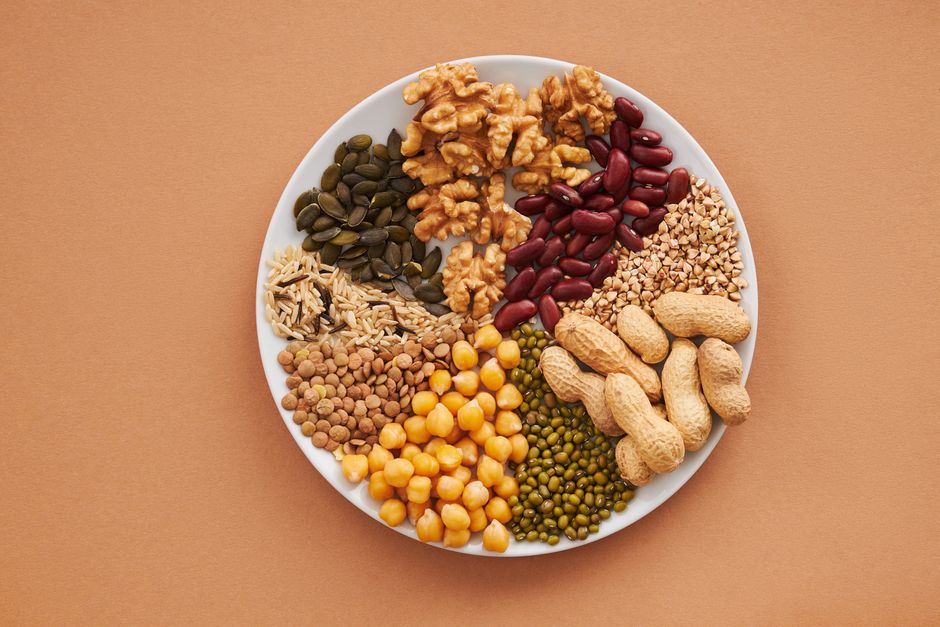
- Eat more plants. Fruits, vegetables, whole grains, and beans are linked to lower blood pressure. They also reduce the acid load your kidneys have to manage.
- Choose water as your main drink. Water helps your kidneys clear waste. There is no evidence that a specific number of glasses prevents kidney disease in healthy people. Drink to thirst and aim for pale yellow urine as a rough gauge.
- Go easy on processed meats and packaged foods. These are the biggest sources of hidden sodium.
One common myth deserves a direct answer. Drinking extreme amounts of water does not “flush” your kidneys or prevent disease. In rare cases, drinking too much water too fast can actually be dangerous by diluting sodium in your blood. More water is not automatically better.




Does Drinking More Water Protect Your Kidneys?
For most healthy adults, staying well hydrated supports normal kidney function. But the claim that chugging extra water prevents kidney disease is not supported by strong evidence.
There is one situation where higher fluid intake clearly helps: preventing certain kidney stones. For people who have had calcium stones, doctors often recommend increasing fluid intake to produce more urine. That is a specific medical recommendation, not a general rule for everyone.
For people with existing kidney disease, the advice can flip. When kidneys are failing, they may struggle to remove excess fluid. In that case, doctors sometimes restrict fluids. This is why fluid advice depends on your individual kidney function and should come from your doctor, not a general article.
Which Pain Medicines Can Harm Your Kidneys?
Over-the-counter pain relievers called NSAIDs can damage kidneys when used heavily or for long periods. This class includes ibuprofen, naproxen, and aspirin at higher doses.
Used occasionally and at the recommended dose, these medicines are generally considered safe for most healthy people. The concern is regular, long-term use, especially at high doses. NSAIDs reduce blood flow to the kidneys. For people with existing kidney problems, that can make things worse.
People at higher risk from NSAIDs include those with kidney disease, heart failure, or dehydration, and older adults. If you take these medicines daily, it is worth talking to your doctor about whether that is necessary and whether a different option makes sense.
Acetaminophen works differently and is not an NSAID. It is generally considered less risky for the kidneys, though it carries its own risk of liver damage at high doses.
How Do You Know If Your Kidneys Are Healthy?
You usually cannot tell from how you feel. Early kidney disease typically causes no symptoms. This is exactly why testing matters.
Two simple tests give a clear picture of kidney function:
- A blood test for creatinine. Creatinine is a waste product your kidneys filter out. Doctors use it to calculate your estimated glomerular filtration rate, or eGFR. This number estimates how well your kidneys are filtering.
- A urine test for albumin. Albumin is a protein that should mostly stay in your blood. When it leaks into urine, it can be an early sign of kidney damage.
An eGFR of 60 or higher is generally considered normal in adults, though age affects this number. An eGFR below 60 for three months or longer can indicate chronic kidney disease. Your doctor interprets these numbers along with your full health picture.
If you have diabetes, high blood pressure, heart disease, or a family history of kidney failure, regular testing is important. Many people with these conditions should be screened at least once a year. Ask your doctor whether you should be tested and how often.
What Lifestyle Habits Support Long-Term Kidney Health?
The habits that protect your kidneys are not exotic. They are the same ones that protect your heart and blood vessels.
- Control your blood pressure. Know your numbers. A normal reading is below 120/80. If yours runs high, work with your doctor on a plan.
- Manage blood sugar if you have diabetes. Keeping blood sugar in your target range slows kidney damage.
- Stay active. Regular movement helps control blood pressure, blood sugar, and weight.
- Do not smoke. Smoking narrows blood vessels and reduces blood flow to the kidneys. It also raises the risk of kidney cancer.
- Limit alcohol. Heavy drinking raises blood pressure and adds stress to the kidneys.
- Keep a healthy weight. Obesity raises the risk of diabetes and high blood pressure, the two leading causes of kidney disease.
- Get enough sleep. Poor sleep is linked to higher blood pressure over time.
None of these steps is dramatic on its own. Together, over years, they make a real difference.
Are Kidney Supplements and “Cleanses” Worth It?
Be cautious here. Products marketed as kidney cleanses or kidney support supplements are not regulated the way medicines are. No large human trials have confirmed that these products protect kidney function.
Some herbal supplements can actually harm the kidneys. Certain ingredients, especially in high doses or combined with other products, have been linked to kidney injury. Because supplements do not require proof of effectiveness before they are sold, claims on the label are not the same as evidence.
If you are considering any supplement, tell your doctor. This matters most if you already have kidney disease or take prescription medicines.
When Should You Talk to a Doctor About Your Kidneys?
Ask about kidney testing if you have diabetes, high blood pressure, heart disease, or a family history of kidney failure. These are the people who benefit most from regular screening.
See a doctor promptly if you notice swelling in your legs, ankles, or feet, changes in how often you urinate, blood in your urine, or persistent fatigue. These can have many causes, and only testing can tell you what is going on.
The main message is simple. Protect your blood pressure. Protect your blood sugar. Stay hydrated without overdoing it. Avoid heavy long-term use of NSAIDs. Get tested if you are at risk. Your kidneys do a lot of quiet work, and most of what keeps them healthy is within your control.
Frequently Asked Questions
How can I keep my kidneys healthy?
Control your blood pressure and blood sugar, stay well hydrated, eat less sodium, avoid smoking, and limit long-term NSAID use. If you have diabetes, high blood pressure, or a family history of kidney failure, get your kidneys tested regularly.
Does drinking a lot of water clean your kidneys?
No. Extra water does not “clean” or “flush” your kidneys, and drinking extreme amounts can be harmful. Staying normally hydrated supports kidney function, but more is not automatically better.
What are the early signs of kidney problems?
Early kidney disease usually causes no symptoms at all, which is why blood and urine tests matter. When symptoms do appear, they can include swelling in the legs or ankles, changes in urination, or persistent fatigue.
Can kidney damage be reversed?
Lost nephrons do not grow back, so kidney damage is generally not reversible. The goal of treatment is to slow or stop further damage and protect the function you still have.
