

Human behavior is everything people do, from visible actions like talking and walking to invisible processes like thinking and feeling. It is shaped by a mix of biology, psychology, and social environment working together. Biology provides the hardware, psychology runs the software, and the surrounding world constantly updates the system.
What Is Human Behavior Biology Psychology And More?
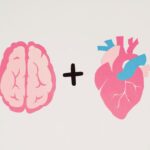
Human behavior is the range of actions and mannerisms made by individuals in conjunction with their environment. It includes everything from reflexes and instincts to complex decision-making and emotional responses. The study of human behavior draws from biology, psychology, sociology, and anthropology because no single field fully explains why people act the way they do.
Think of behavior as the output of a complex system. The brain receives input from the body and the outside world, processes that information through biological and psychological filters, and produces a response. That response then changes the environment, which creates new input. The cycle never stops.
How Does Biology Drive Human Behavior?
The biological basis of behavior starts with the brain and nervous system. Neurons communicate through electrical and chemical signals, forming the foundation of every thought, emotion, and action. Specific brain regions have specialized roles. The amygdala processes threats and emotional reactions. The prefrontal cortex handles planning, impulse control, and social judgment. The hippocampus forms memories that guide future decisions.
Neurotransmitters are chemical messengers that influence mood and motivation. Serotonin affects mood stability and sleep. Dopamine drives reward-seeking and pleasure. Norepinephrine prepares the body for alertness and stress responses. When these chemicals are balanced, behavior tends to be stable. When they are out of balance, mood disorders and behavioral changes can appear.
Hormones also play a major role. Cortisol is the primary stress hormone, released when the body perceives a challenge. Testosterone influences aggression and competitiveness in both men and women. Oxytocin promotes bonding and trust, which is why it is often called the attachment hormone. These chemical signals do not determine behavior alone, but they bias the brain toward certain responses.
Genetics contribute as well. Twin studies consistently show that many behavioral traits have a heritable component. Personality traits like extraversion and neuroticism show moderate genetic influence. However, genes do not code for specific behaviors directly. They code for proteins that affect brain structure and function, which then interact with life experience.
What Role Does Psychology Play in Behavior?
Psychology explains the mental processes that sit between a stimulus and a response. Perception filters what you notice. Memory stores past experiences that shape expectations. Learning changes behavior based on consequences. Emotion colors how events are interpreted. Together these processes determine how a person makes sense of the world.
One of the most influential psychological concepts is reinforcement. Behaviors followed by rewards tend to be repeated. Behaviors followed by punishment tend to decrease. This principle, established through decades of behavioral research, explains everything from habit formation to addiction. It applies to conscious decisions and automatic responses alike.
Cognitive psychology adds another layer. People do not respond to reality directly. They respond to their mental representation of reality. Two people can experience the same event and react completely differently because their interpretations differ. This is why cognitive behavioral therapy works: changing the interpretation can change the emotional response and the behavior that follows.
Developmental psychology shows that behavior changes across the lifespan. A toddler’s tantrum and a teenager’s risk-taking both have developmental logic behind them. The brain’s prefrontal cortex, which governs impulse control, is not fully mature until the mid-20s. Understanding this helps explain why adolescents often act before thinking in ways adults find frustrating.




How Do Social and Environmental Factors Shape Behavior?
Humans are deeply social creatures. From infancy, behavior is shaped by caregivers, peers, and cultural norms. Social learning theory demonstrates that people acquire new behaviors by watching others, not just through direct reward and punishment. A child who sees a sibling praised for sharing is more likely to share without being rewarded directly.
Culture sets the boundaries of acceptable behavior. What is considered polite, assertive, or aggressive varies significantly across societies. These norms are learned so early and so thoroughly that they feel natural rather than taught. People rarely notice their own cultural assumptions until they encounter a culture with different rules.
Immediate environment matters too. Stressful living conditions, noise, crowding, and lack of green space all influence mood and behavior. Chronic stress changes brain function over time. The body’s stress response system, designed for short-term survival, becomes harmful when activated constantly. This is why poverty and unstable housing are associated with higher rates of mental health difficulties.
Social support is one of the strongest protective factors for healthy behavior. People with strong connections to family, friends, or community tend to cope better with stress and make healthier choices. Isolation has the opposite effect, increasing risk for depression, anxiety, and unhealthy coping behaviors.
Are Behaviors Mostly Learned or Mostly Inherited?
This is one of the oldest debates in behavioral science, and the answer is that both matter and they interact constantly. Behavior genetics studies estimate that most complex behavioral traits fall somewhere between 30 and 60 percent heritable. That leaves substantial room for environmental influence.
The interaction is not additive but multiplicative. A genetic tendency toward anxiety may only manifest as a disorder when combined with stressful life events. A child with a genetic predisposition for high intelligence may never reach that potential without educational opportunity. Genes set ranges of possibility. Environment determines where within those ranges a person lands.
Epigenetics adds another layer of complexity. Life experiences can change how genes are expressed without changing the DNA sequence itself. Chronic stress, nutrition, and early childhood experiences can alter gene activity in ways that affect behavior. Some of these changes can even be passed to offspring. This research is still emerging, but it suggests that the boundary between nature and nurture is not as clear as once thought.
For practical purposes, the question is less about percentage and more about leverage. Some behavioral patterns respond well to environmental change. Others are deeply biologically rooted and require medical or therapeutic intervention. A person with severe depression does not simply need to try harder. A person with poor study habits may not need medication. Accurate assessment matters.
How Do Biology and Psychology Work Together in Mental Health?
Mental health conditions illustrate the integration of biology and psychology clearly. Depression involves changes in neurotransmitter activity, brain structure, and stress hormone regulation. But it also involves thought patterns, life circumstances, and coping skills. Treating only the biological side or only the psychological side often produces incomplete results.
This is why the most effective treatments typically combine approaches. Antidepressant medication can restore chemical balance enough for a person to engage in therapy. Therapy provides tools to change thought patterns and behaviors that maintain depression. The combination works better than either alone for many people with moderate to severe depression.
Anxiety disorders follow a similar pattern. The amygdala generates fear responses that are biologically automatic. But the cognitive interpretation of that fear determines whether it becomes a disorder. Therapy helps people reinterpret bodily sensations of anxiety as uncomfortable but not dangerous. This reduces the fear of fear that drives panic cycles.
The biopsychosocial model is the standard framework for understanding health and illness in modern clinical practice. It holds that biological, psychological, and social factors all contribute to health outcomes. No single factor is sufficient to explain most conditions. This model guides treatment planning across medicine and mental health care.
Can People Change Their Own Behavior?
Yes, but change requires understanding which factors are driving the behavior. Behaviors driven primarily by habit respond well to environmental restructuring. If you want to exercise more, putting your running shoes by the bed removes friction. If you want to eat less junk food, not keeping it in the house removes temptation. These strategies work because they change the environment rather than relying on willpower.
Behaviors driven by emotional regulation require different strategies. Stress eating, for example, is rarely solved by simply removing snacks. The underlying stress response needs addressing. Mindfulness, exercise, sleep improvement, and stress management techniques address the root cause rather than the symptom.
Behaviors driven by deeply ingrained beliefs or trauma often require professional support. Cognitive behavioral therapy, dialectical behavior therapy, and other evidence-based approaches have strong track records for helping people change patterns that feel unchangeable. Seeking help is not weakness. It is using the appropriate tool for the job.
One important note: sustainable change takes time. Behavioral research consistently shows that new habits require repetition over weeks or months before they become automatic. Relapse is normal and does not mean failure. It means the old pattern still has strength and the new pattern needs more reinforcement.
Frequently Asked Questions
Why do people behave differently in groups than alone?
Group settings activate social norms and conformity pressures that individual settings do not. People also experience diffusion of responsibility in groups, which can reduce personal accountability for actions.
Can personality change over time?
Yes, personality traits show moderate stability but can shift across decades, especially with major life experiences or intentional therapeutic work. The largest changes typically occur in young adulthood and can continue into older age.
How much of behavior is controlled by the subconscious?
A significant portion of daily behavior operates automatically through habits and implicit processes outside conscious awareness. Conscious deliberation handles novel or complex decisions, while routine actions run on autopilot.
What is the best way to understand someone’s behavior?
Consider the full context, including biological state, emotional condition, personal history, and current environment. Judging behavior without context often leads to inaccurate conclusions about why a person acted in a certain way.
