
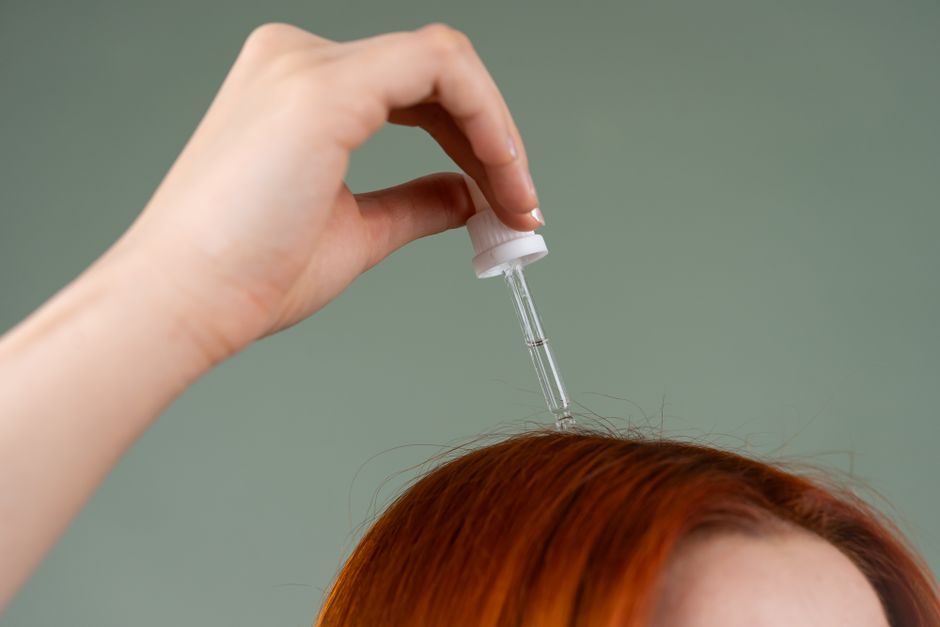
Hair elasticity is your hair’s ability to stretch and return to its original shape without breaking. Think of a rubber band: a healthy one snaps back, while a dried-out one snaps apart. This physical property is a direct measure of your hair’s internal strength and moisture balance, making it one of the most reliable indicators of overall hair health.
What Is Hair Elasticity And Why Does It Matter?
Hair elasticity measures how well your strands can absorb tension and moisture. When you gently stretch a single wet strand, it should extend by about 30% of its length and then spring back completely. Hair that stretches too little is brittle and prone to snapping. Hair that stretches too much and doesn’t return is mushy and weak. Both extremes signal damage that leads to split ends, breakage, and difficulty styling.
This matters because elasticity affects everything you do with your hair. Brushing, heat styling, and even tying it back create physical stress. Elastic hair absorbs that stress and survives. Inelastic hair fractures at the weakest point, which is why damaged hair often breaks mid-shaft rather than at the ends.
What Determines Hair Elasticity at the Structural Level?
Elasticity comes from the hair’s internal architecture. Each strand has three layers: the cuticle (outer shell), the cortex (middle layer), and the medulla (core, only in thick hair). The cortex is where elasticity lives. It contains keratin proteins arranged in spiral chains, held together by two types of chemical bonds: disulfide bonds and hydrogen bonds.
Hydrogen bonds are weak individually but numerous. Water and heat can break them temporarily, which is why wet hair stretches more and why heat styling can reshape hair. Disulfide bonds are much stronger. They give hair its permanent shape and are only broken by chemical treatments like perms or relaxers. When these bonds are intact and the cortex has enough moisture, hair stretches and recoils properly. When the cortex loses protein or moisture, the bonds fail and elasticity drops.
Your hair’s porosity is closely linked to elasticity. Porosity describes how easily your cuticle opens to let moisture in and out. High-porosity hair has lifted cuticles that lose water quickly, often leading to poor elasticity. Low-porosity hair resists water absorption, which can also impair elasticity if moisture never reaches the cortex.
How to Test Hair Elasticity at Home
You can assess your hair’s elasticity with a simple test. Take one clean, wet strand of hair. Hold it firmly at both ends and pull gently. Do not yank. Observe how it behaves:
- Normal elasticity: The strand stretches slightly and returns to its original length when released.
- Low elasticity: The strand barely stretches and snaps immediately under light tension.
- Overly high elasticity: The strand stretches significantly but does not return to its original shape, feeling limp and stringy.
Test a few strands from different areas of your head rather than just one. Hair at the nape of the neck and around the hairline can have different properties than hair at the crown. Wetting the hair is essential because dry hair naturally has lower elasticity and will mislead your results.
Repeat the test every few weeks if you are actively treating damage. It is a practical tracking tool, not a clinical diagnostic. If you notice sudden, dramatic changes in elasticity across all your hair, that can signal a health issue and is worth discussing with a doctor.



What Causes Hair to Lose Elasticity?
Damage accumulates from daily habits and chemical exposure. Heat styling is a primary culprit. Flat irons and curling wands can reach temperatures above 400°F, which boils the water inside the cortex and creates air bubbles. These bubbles permanently disrupt the protein structure and reduce elasticity.
Chemical treatments are equally damaging. Hair dye, bleach, perms, and relaxers work by breaking disulfide bonds. Every treatment breaks some bonds that never fully reform. Overlapping chemical services on the same hair is particularly destructive because the cortex progressively loses its structural integrity.
Physical stress also matters. Aggressive brushing, tight ponytails, and rough towel drying can lift the cuticle and fracture the cortex. Environmental factors like sun exposure and swimming in chlorinated water degrade the cuticle over time, allowing moisture to escape.
Some research suggests that nutritional deficiencies can affect hair quality. Protein, iron, and certain vitamins are needed for healthy hair growth. However, once hair has grown out of the follicle, it is dead tissue. No supplement, topical product, or diet change can repair an already damaged strand. Nutrition only affects new hair as it grows.
Can You Restore Hair Elasticity?
Partially, yes. Damaged hair cannot be fully repaired because the cortex is not living tissue. The bonds that break do not regenerate. What you can do is improve moisture levels, smooth the cuticle, and prevent further damage.
Conditioning treatments help by depositing moisture and oils into the cortex. Deep conditioning masks and leave-in conditioners are the most effective delivery systems. Look for products containing humectants like glycerin or hyaluronic acid, which draw water into the hair, and emollients like fatty alcohols or natural oils, which seal that moisture in.
Protein treatments are a different approach. They temporarily fill gaps in the cortex with hydrolyzed proteins, which can improve strength and elasticity. The effect is short-lived and washes out over several weeks. Overusing protein treatments can backfire, leaving hair stiff and brittle because the protein deposits build up without enough moisture to balance them.
The most reliable strategy is prevention. Stop using heat tools at high temperatures or use a heat protectant. Space out chemical treatments and avoid overlapping them. Use a wide-tooth comb on wet hair instead of a brush. Sleep on a silk or satin pillowcase to reduce friction. These habits preserve the elasticity that remains rather than trying to rebuild what is gone.
Does Hair Type Affect Elasticity Testing?
Yes, and this is where generic advice often fails. Straight, fine hair typically shows visible stretching in the wet test. Curly and coily hair behaves differently. The natural bends and twists in curly hair mean that tension distributes unevenly along the strand, making the stretch test harder to interpret.
Texture also matters. Fine hair has a smaller diameter and fewer cortex cells than coarse hair. It will break under less tension, but that does not automatically mean it has poor elasticity. Coarse hair can withstand more force before breaking, but it can still have compromised elasticity from chemical damage.
Ethnic background correlates with typical hair shapes, but individual variation is enormous. Do not assume your hair behaves a certain way because of your ethnicity. Test your actual hair and observe its specific response.
What Is the Difference Between Elasticity and Porosity?
Elasticity and porosity are related but distinct properties. Porosity is about how easily moisture enters and leaves the hair. Elasticity is about how well the hair stretches and recovers. Damaged hair often has problems with both, which is why the terms get confused.
High-porosity hair loses moisture quickly, which dehydrates the cortex and impairs elasticity. Low-porosity hair repels moisture, which can also impair elasticity if water never penetrates. The two conditions require opposite treatment approaches. High-porosity hair needs heavier oils and butters to seal the cuticle. Low-porosity hair needs lighter, water-based products and heat to help open the cuticle.
Understanding which problem you have matters more than buying generic “damage repair” products. A product formulated for high-porosity hair may weigh down low-porosity hair and leave it feeling greasy without improving elasticity at all.
Frequently Asked Questions
How often should I test my hair elasticity?
Testing once a month is reasonable for tracking changes over time. If you are actively treating damage or undergoing chemical services, testing every two weeks can help you catch problems early.
Can heat styling permanently ruin hair elasticity?
Yes, high heat can permanently damage the protein structure in the cortex. Using lower temperatures and heat protectant products reduces but does not eliminate the risk.
Does hair elasticity improve after cutting off split ends?
Trimming removes damaged ends, which can make the remaining hair feel healthier and more elastic. The cut does not change the elasticity of the hair that remains on your head.
Are expensive salon elasticity treatments worth it?
Some professional treatments provide temporary improvements that last several weeks. No treatment permanently restores elasticity to chemically or heat-damaged hair, regardless of price.
