

Acid reflux happens when stomach contents flow back up into the esophagus, the tube that carries food from your throat to your stomach. The esophagus has a muscular valve at the bottom called the lower esophageal sphincter, and when that valve relaxes at the wrong time or weakens, acid escapes upward. What you eat matters because certain foods can relax that valve, slow stomach emptying, or directly irritate an already inflamed esophagus. Foods that tend to work well include lean proteins, non-citrus fruits, vegetables, oatmeal, whole grains, and low-fat dairy. Foods that tend to cause trouble include high-fat and fried foods, citrus, tomatoes, chocolate, mint, coffee, alcohol, and spicy dishes.
How Does Food Make Acid Reflux Worse?
Food affects reflux through three main pathways. The first is mechanical: certain foods relax the lower esophageal sphincter, allowing stomach contents to rise. The second is timing: large or high-fat meals sit in the stomach longer, increasing the window for reflux. The third is direct irritation: acidic foods can sting an esophagus that is already inflamed.
Fat is the most consistent culprit in the research. High-fat meals slow gastric emptying, which means food and acid stay in the stomach longer. Chocolate contains both fat and compounds that can relax the sphincter. Mint, including peppermint, has a similar relaxing effect on the valve. Coffee and alcohol can loosen the sphincter and increase acid production.
This is why reflux is not just about avoiding “acidic” foods. A lemon is acidic, but so is stomach acid. The bigger issue is often how a food changes the behavior of the valve and the speed of digestion.
What Is Good To Eat When You Have Acid Reflux?
The foods that tend to sit well are those that are low in fat, low in acid, and easy on the stomach. They do not relax the sphincter and they empty from the stomach at a reasonable pace. No single food works for everyone, but these categories have the strongest track record.
- Oatmeal and whole grains. Oatmeal is low in fat and high in fiber. Whole-grain bread and brown rice are similar. Fiber may help you feel full without the stomach-slowing effect of fat.
- Lean proteins. Skinless chicken, turkey, fish, and tofu are lower in fat than red meat or fried options. Grilling, baking, or poaching keeps the fat content down.
- Non-citrus fruits. Bananas, melons, apples, and pears are less acidic than oranges, grapefruit, and pineapple. Bananas also have a naturally low acid content.
- Vegetables. Broccoli, green beans, carrots, and leafy greens are low in fat and acid. They rarely trigger reflux in most people.
- Low-fat dairy. Skim milk, low-fat yogurt, and some cheeses are gentler than full-fat versions. High-fat dairy can slow the stomach.
- Ginger. Ginger has been used traditionally for stomach upset. Some small studies suggest it may help with gastric emptying, though the evidence in reflux specifically is limited.
Notice what these foods have in common. They are low in fat, low in acid, and not known to relax the esophageal valve. That combination is what makes them generally safe choices.
Which Foods Commonly Trigger Reflux?
The trigger list is shorter and more consistent than the “safe” list. These foods show up again and again in both clinical experience and research on reflux symptoms.
- Fried foods and high-fat meals
- Chocolate
- Peppermint and spearmint
- Coffee, both caffeinated and decaf
- Alcohol
- Citrus fruits and juices
- Tomatoes and tomato-based sauces
- Garlic and onions
- Spicy foods
- Carbonated drinks
One clarification worth making: the evidence on individual triggers is not as strong as the evidence on meal size and fat content. Some people react strongly to tomatoes and others do not. The most reliable approach is to notice your own pattern rather than assume every item on this list will affect you.

Does the Way You Eat Matter as Much as What You Eat?
Often, yes. How you eat can matter as much as the specific foods on your plate. Three habits have the most consistent effect.
Meal size. Large meals put more pressure on the stomach and the valve. Smaller, more frequent meals tend to produce fewer symptoms. This is one of the more reliable findings in reflux research.
Timing. Lying down within two to three hours of eating makes reflux more likely. Gravity helps keep stomach contents down when you are upright. Eating your last meal of the day earlier gives your stomach time to empty before you lie down.
Eating speed. Eating quickly can mean swallowing more air, which increases burping and pressure. Slower meals with smaller bites are generally easier on the stomach.
These are not dramatic changes, but they often matter more than cutting out one specific food.
Do Food Triggers Affect Everyone the Same Way?
No. Reflux triggers are individual. Two people with the same diagnosis can have completely different reactions to the same meal. This is one of the most consistent observations in clinical practice, and it is why blanket food lists are only a starting point.
Some people have reflux driven mainly by a weak sphincter. Others have it driven by slow stomach emptying, called gastroparesis. Others have a hiatal hernia, where part of the stomach pushes up through the diaphragm. Each of these can respond differently to food.
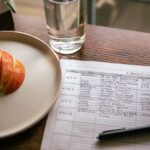
This is also why a food diary can be more useful than a generic list. Tracking what you eat and when symptoms occur can reveal patterns that no standard list will capture. The caveat is that reflux symptoms do not always correlate with actual acid exposure, so a symptom diary is a guide, not a precise measurement.
What About Drinks?
What you drink can be as important as what you eat. Water is the safest choice and helps with digestion. Herbal teas that are not mint-based, like chamomile, are generally well tolerated. Low-fat or skim milk is usually fine, though full-fat milk can slow the stomach.
Coffee is a common trigger, and decaf is not automatically better. Decaffeinated coffee can still relax the sphincter and stimulate acid. Alcohol, especially red wine and beer, is a frequent trigger. Carbonated drinks increase burping and pressure, which can push acid upward. Citrus juices are acidic and often worsen symptoms.
One practical note: drinking large amounts of liquid with meals can add volume to the stomach. Sipping between meals rather than gulping during them may help some people.
Does Diet Alone Fix Acid Reflux?
Not always. Diet changes can reduce symptoms for many people, but they are not a guaranteed fix. Reflux has multiple causes, and some of them are structural or mechanical, not dietary. A weak sphincter or a hiatal hernia will not disappear because you stopped eating chocolate.
For mild, occasional reflux, dietary changes plus lifestyle adjustments often make a meaningful difference. For frequent or persistent reflux, diet may be part of the plan but not the whole plan. Persistent reflux that occurs more than twice a week, or that comes with difficulty swallowing, weight loss, or chest pain, should be evaluated by a clinician. Those symptoms can have causes that diet alone will not address.
There is also a distinction between managing symptoms and treating the underlying condition. Diet can reduce how often acid reaches the esophagus. It does not necessarily repair damage that has already occurred. That is a medical question, not a dietary one.
What Does a Reflux-Friendly Day of Eating Look Like?
A typical reflux-friendly day keeps meals small, fat low, and timing early. Here is one example, not a prescription.
- Breakfast: Oatmeal with banana and a small amount of almond butter. Water or chamomile tea.
- Mid-morning: A small handful of almonds or a low-fat yogurt.
- Lunch: Grilled chicken or tofu with brown rice and steamed green beans. Water.
- Afternoon: Apple slices or melon.
- Dinner: Baked fish with roasted carrots and a small portion of whole grains. Finish eating at least three hours before lying down.
The pattern here is not exotic. It is low in fat, low in acid, moderate in size, and finished well before bedtime. That combination addresses the main mechanisms behind reflux rather than chasing individual trigger foods.
Do You Need to Avoid All Trigger Foods Forever?
No. Most people do not need to eliminate every trigger permanently. The goal is to identify which foods actually cause symptoms for you and reduce those, rather than avoiding a long list on principle.
Some people find they can tolerate small amounts of a trigger food if it is eaten with a low-fat meal or earlier in the day. Others find certain triggers are non-negotiable. The pattern is personal.
What is well established is that meal size, fat content, and timing have a more consistent effect than any single food. If you change only one thing, changing when and how much you eat is often more effective than cutting out one item.
Frequently Asked Questions
What is the best food to eat when acid reflux is bad?
Oatmeal, bananas, and plain toast are among the gentlest options during a flare. They are low in fat and acid and unlikely to relax the esophageal valve.
Is milk good for acid reflux?
Low-fat or skim milk is generally well tolerated and can temporarily soothe the esophagus. Full-fat milk can slow stomach emptying and may worsen reflux for some people.
Can I drink coffee if I have acid reflux?
Coffee is a common trigger because it can relax the lower esophageal sphincter and stimulate acid. Decaf is not automatically safer, since it can have similar effects.
How long does it take for diet changes to help acid reflux?
Some people notice improvement within days to a few weeks of eating smaller, lower-fat meals. Response varies, and persistent symptoms should be evaluated by a clinician.
